If you've been searching for a VW T-Roc review, chances are you've already taken a liking to VW's little SUV. But now you're wondering whether you're buying a good car or a load of problems. I get it. The VW T-Roc (A1) has been around since 2017, and you see them everywhere. But good looks alone aren't enough for me to tell you it's worth buying. I want you to know exactly which engine you're getting, which gearbox comes with it and what to check before handing over your money. Because if something goes wrong afterwards, it's your pocket that takes the hit.
Who is the VW T-Roc right for?
If you mainly drive around town but enjoy getting out of the city at weekends, the T-Roc is definitely worth a look. You sit higher up, get a better view of what's happening around you and don't have to deal with the size of a big SUV. It's a practical everyday car without all that extra bulk. But don't confuse a higher driving position with needing 4MOTION. Not everyone needs four-wheel drive, especially if the car is going to spend most of its life on city streets.
What engines and gearboxes does the T-Roc have?
Pay attention here, because two T-Rocs that look almost identical on the outside can be very different when it comes to servicing. You've got petrol and diesel engines, manual gearboxes, DSG automatics and versions with 4MOTION. It's not just about how much power you want. How you plan to use the car matters just as much.
- 1.0 TSI – a three-cylinder petrol engine with a manual gearbox. A good option if you want a simpler combination and don't need an automatic.
- 1.5 TSI – a petrol engine with either a manual gearbox or a 7-speed DSG DQ200 with dry clutches. This is where I really want you to pay attention to how the car pulls away.
- 2.0 TSI and T-Roc R – petrol versions with wet-clutch DSG gearboxes and 4MOTION with Haldex. Different technology, and it needs looking after properly.
- 1.6 and 2.0 TDI – the diesel options. If you cover a lot of miles, they're definitely worth considering.
What problems do we see with the T-Roc at our workshop?
The most important thing is not to lump every engine and gearbox together. When someone tells me, "The T-Roc has problems," my first question is always: which engine and which gearbox? Otherwise, we could spend all day swapping stories from internet forums and still get nowhere near the right answer. Here's what I look out for.
Why does the 1.5 TSI hesitate when cold?
One of the known complaints with the 1.5 TSI is hesitation and jerking when pulling away with a cold engine. Sound familiar? You start the car in the morning, set off and it doesn't pull away as smoothly as you'd expect. Don't just assume that's normal. But don't start replacing parts blindly either. I've explained it in detail in my guide to why the 1.5 TSI hesitates when cold.
Is it normal for the 1.0 TSI to vibrate?
The 1.0 TSI is a three-cylinder engine, so vibrations are something worth understanding. Not every vibration means there's a fault, but that doesn't mean you should ignore every shake either. You need to know how this engine normally behaves and how to look after it properly. If you're thinking about buying one, have a read of my guide to 1.0 TSI vibrations and servicing.
Why does the DSG DQ200 jerk and judder?
"Kris, the gearbox judders when I pull away, and sometimes it gives me a proper kick." That's exactly how owners describe this problem to me. The DQ200 is a 7-speed DSG with dry clutches, and you need to check carefully how it behaves when pulling away. Don't accept every jerk as normal, and don't let anyone convince you that all DSG gearboxes are the same. I've covered this in detail in why the DSG DQ200 jerks and judders.
What should I know about 4MOTION and Haldex?
If you're looking at a T-Roc with 4MOTION, you need to understand what's underneath it. Haldex is the clutch-based system that brings in the rear wheels when extra traction is needed. But it's not something you can buy and then forget about. On this generation, I change both the Haldex coupling oil and the rear differential oil every 30,000 km. Both oils matter. I've explained more in my Haldex servicing guide.
What should I check before buying a T-Roc?
The biggest mistake is judging a car purely by how it looks and what the advert says. I want you to feel how it actually drives before making a decision. Especially if it's a 1.5 TSI with DSG. There are a few checks I wouldn't skip.
- Cold start and pulling away – test the car before the engine has warmed up. Pay attention to any shaking, hesitation or jerking.
- DSG on a slope – check how the car pulls away uphill and how the gearbox behaves. Don't settle for a quick drive along a flat road.
- Software updates and recalls – check whether any updates are available and whether all necessary recall and service campaigns have been completed.
If you're not sure how to carry out these checks, don't take a gamble just because you've fallen for the car. A proper pre-purchase inspection can give you a much clearer picture of what you're buying. A good-looking car is lovely. But a healthy car is even better.
How should I service my VW T-Roc?
My rule is simple: service your car on time, not when it starts complaining. Long service intervals might look convenient on paper, but I'm thinking about what's best for your engine and your wallet. That's why my recommendations for cars driven in Bulgaria are straightforward.
- Engine oil and all filters – every 10,000 km or once a year, whichever comes first. Change the oil filter, air filter, fuel filter and cabin filter together with the engine oil, regardless of the LongLife service schedule or which oil you use. Always use engine oil with the correct VW approval for your engine.
- DSG – change the gearbox oil every 60,000 km using genuine oil. Always carry out a gearbox adaptation after servicing.
- Haldex and rear differential on Gen 5 – change both oils every 30,000 km.
- Brake fluid – every 2 years, and coolant every third heating season.
- Workshop inspection – every 6 months, so we can catch problems early, before you even notice them behind the wheel.
IMPORTANT! If you're buying a T-Roc 1.5 TSI with DSG, make sure you test it from cold. Don't let the seller warm the car up beforehand and then tell you everything is fine.
What's my verdict on the VW T-Roc?
Yes, I like the idea of the T-Roc. It's a practical little SUV that does a good job around town and on a mixture of journeys. If you mainly drive in the city, I'd look at the 1.5 TSI. If you cover a lot of miles, I'd consider one of the TDI versions. But I wouldn't tell you to buy a particular car without checking its condition first. Choosing the right engine matters, but buying a car that's been properly maintained matters even more.
Tip from Kris Mladenov: Every time you have your T-Roc serviced, check whether there's a newer software version available. Sometimes the right update fixes a problem that might otherwise have you replacing perfectly good parts. And remember: diagnose first, repair second.
I hope you've found this article helpful! If you have, I'd really appreciate you sharing it with a friend who drives a T-Roc or is thinking about buying one. My mission is simple: when I know something useful, I want more people to know it too. That way, you can make better decisions about your car and avoid paying out of your own pocket for mistakes that could have been prevented.
The solution in our shop
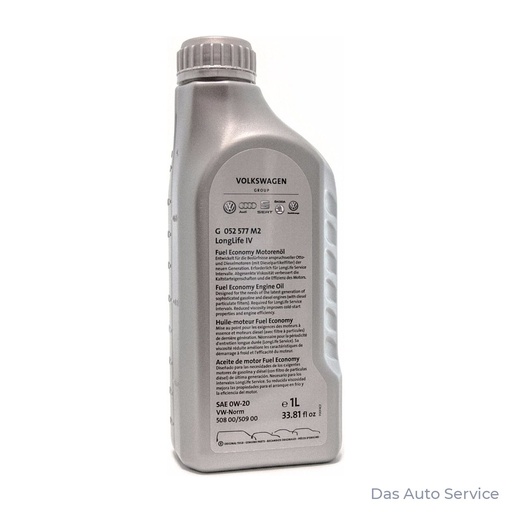
Genuine LongLife IV 0W20 oil G S60577M2 1l
Genuine LongLife IV 0W-20 engine oil meeting VW 508 00. Only use it if this approval is specified for your particular engine.
View in shop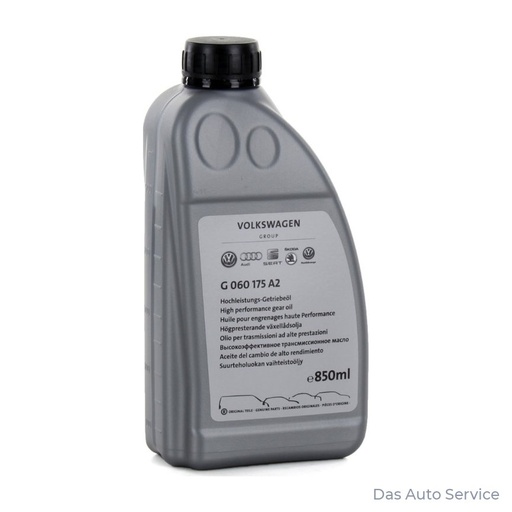
Genuine Haldex oil G060175A2 850ml
Genuine Haldex Gen 5 coupling oil for 4MOTION. Using the correct oil is essential when servicing the system.
View in shopRead more
- Pre-purchase inspection
- Routine servicing
- 1.5 TSI Cold Engine Jerking: Why Does It Happen?
- 1.0 TSI Engine Problems: Vibrations and Maintenance
- DSG DQ200 Problems: Jerking and Gearbox Faults
- Haldex Service Intervals: Generations 1 to 5
Frequently asked questions
What are the most common VW T-Roc problems?
On the 1.5 TSI, watch out for hesitation when cold. On the 1.0 TSI, pay attention to vibrations. And with the DSG DQ200, check how the gearbox behaves when pulling away. What matters is inspecting the actual car, not judging it purely by what people say online.
Should I choose the VW T-Roc 1.0 or 1.5 TSI?
The 1.0 TSI is a three-cylinder option with a manual gearbox, while the 1.5 TSI is also available with the 7-speed DSG DQ200. For city driving, I'd consider the 1.5 TSI, but only after a thorough inspection.
Is the VW T-Roc with 4MOTION worth buying?
Yes, if you genuinely need four-wheel drive. Just remember that both the Haldex coupling oil and the rear differential oil need changing every 30,000 km.
How often should I change the oil in my VW T-Roc?
I recommend changing the engine oil and all filters every 10,000 km or once a year, whichever comes first. That applies regardless of the LongLife service interval or the type of engine oil used.