"VW Touran 2.0 TDI 140 reviews", "Touran 170 bhp problems", "is the 2.0 TDI 136 bhp reliable?" – if you're looking for a family car, you've probably already read half the internet. And I understand why. You want something that can carry the whole family, all the luggage and everything else without struggling up the first hill. The Touran 2.0 TDI is exactly that sort of car. But not every engine or gearbox is equally trouble-free. I'll tell you what we see at Das Auto Service, because I'd much rather you knew about the weak points before buying than found out when your car is already in the workshop for repairs.
Who Is the VW Touran 2.0 TDI Best Suited To?
If you've got a big family, regularly travel with a full boot and cover plenty of miles, the Touran 2.0 TDI is well worth considering. It's not a car you buy to impress the neighbours. You buy it because you need space, comfort and an engine that can handle the extra weight. That bigger diesel really comes into its own when everyone's on board, the boot is packed and you've got a long journey ahead. But if most of your driving is short trips around town, there are a few things I want you to know first.
What Engines and Gearboxes Does the Touran 2.0 TDI Have?
This is where things get a little confusing, because the 2.0 TDI name covers several different generations of engine. The first Touran, known as the 1T, arrived in 2003, while the newer 5T generation came along in 2015. The diesel engines changed quite a lot between them. So when you're reading owners' reviews or forum discussions, always check which engine they're talking about. Don't just look at the horsepower in the advert.
- Pump-injector (PD) – the early 2.0 TDI engines with 136 and 140 bhp. Each injector produces the high pressure needed to inject fuel into the engine.
- Common rail – the later 2.0 TDI engines with 140 and 170 bhp. Here, the injectors receive pressurised fuel from a shared fuel rail.
- The newer Touran 5T – 2.0 TDI engines with 150 and 190 bhp, belonging to the next generation of diesel engines.
- Gearboxes – a manual gearbox or an automatic DSG with wet clutches, which operate in oil.
I wouldn't choose a Touran based on horsepower alone. Yes, 170 or 190 bhp sounds more tempting than 140, especially when the car is fully loaded. But the condition of the actual car matters far more than the number in the advert. A well-maintained Touran can be a much smarter buy than a more powerful one with a history nobody can explain.
VW Touran 2.0 TDI Review: What Are the Common Problems?
Pump-Injector Engines – Where Are the Weak Points?
The early 2.0 TDI pump-injector engines have a few weak spots I always pay particular attention to. One is the cylinder head on the early 16-valve engines. Another is the injector wiring, and the third is how the engine starts when it's warm. If the seller tells you, "It just takes a little longer to start when it's hot", don't accept that as normal without finding out why. I've explained these engines in more detail in 1.9 and 2.0 TDI Pump-Injector Engines – The Legend and Its Weak Points.
EGR, DPF and Turbo – Why Is City Driving a Problem?
Picture a normal day with the family. You drop the kids off in the morning, pop to the shops and then head home. All short journeys. That's exactly the sort of driving that causes trouble for the EGR valve, which sends some exhaust gases back into the engine, and the DPF, which traps soot from the exhaust. The turbo also deserves a careful check. If the car isn't pulling properly or the engine warning light is on, don't assume it's something minor that will disappear once someone clears the fault codes.
DSG – Why Is Everyone Worried About the Mechatronic Unit?
DSG is a lovely gearbox to have in a family car, especially when you're constantly stopping and starting in traffic. But there's one condition: it needs to have been serviced properly. On the DQ250, I pay particular attention to the mechatronic unit. Think of it as the brain that controls the gear changes. If the gearbox kicks, jerks or thumps when changing gear, don't let anyone reassure you by saying, "They all do that." They don't. Have a read of DSG DQ250 – When the Mechatronic Unit Fails and What to Do.
What Should I Check Before Buying a Touran 2.0 TDI?
This is where I really want you to be careful. Most people buy a Touran because they want a dependable family car they can keep for years, not something that spends its life in pieces at a workshop. So don't rely on a tidy interior, a freshly cleaned engine and the seller's promises. There are a few checks I would never skip.
- Check the coolant and test for combustion gases in the cooling system, especially on the early pump-injector engines. This is an important way to check the engine's condition.
- Have the DPF and EGR properly diagnosed. Simply reading the fault codes with a diagnostic tool isn't enough. You also need to see how these systems are actually working.
- If the car has DSG, check the gearbox oil change history and how the gearbox behaves. Don't take the seller's word for it when they say, "It's been serviced." Ask for proof.
If you're not completely sure what you're looking at, book a pre-purchase inspection. I'd much rather we found a problem while you can still decide whether to buy the car than have you wondering where to start with repairs afterwards. Your family car should make life easier, not give you another headache.
How Should I Service My Touran 2.0 TDI to Make It Last?
There's no magic trick here. The most important thing is not to wait until the car starts telling you something is already wrong. For driving conditions in Bulgaria, I recommend shorter service intervals, regardless of what the LongLife service schedule says. Engine oil and filters are two things I really don't want you cutting corners on.
- Engine oil and all filters – oil, fuel, air and cabin – every 10,000 km or once a year, whichever comes first. This applies regardless of which engine oil you use. Make sure the oil meets the correct VW specification for your engine.
- DSG – change the gearbox oil every 60,000 km, always using genuine oil. After every service, the gearbox must also undergo adaptation.
- Timing belt and water pump – check the service history and follow the correct replacement interval for your particular engine. For newer engines produced after 2015, I recommend replacing the timing belt every 180,000 km or 5 years, whichever comes first.
IMPORTANT! If your Touran only ever does short journeys around town, sooner or later the DPF may start giving you trouble. Don't let your family diesel spend its whole life looking at traffic lights. Take it on longer journeys outside the city too.
Is the VW Touran 2.0 TDI Worth Buying?
Yes, absolutely. The Touran 2.0 TDI is an excellent family car when it's been looked after properly and you know what you're buying. Personally, I'd look for one with a clear service history, an engine that's been properly checked and, if it has DSG, proof of regular gearbox servicing. I wouldn't get carried away by horsepower, optional extras or promises about "genuine mileage". Give me a well-kept Touran over a shiny one hiding expensive problems any day. Remember, you'll be the one paying to fix them.
Tip from Kris Mladenov: If the Touran is your family car, save money on accessories if you like, but never on engine oil, filters or DSG servicing. Keep a record of every repair and service, and don't put off getting the car checked when something feels unusual. I'm telling you this as a friend: ignore a problem now, and you'll be paying for the repair out of your own pocket later.
I hope you've found this article helpful! If you have, I'd really appreciate you sharing it with a friend who owns a VW Touran or is thinking of buying one. My mission is simple: when I know something useful, I want more people to know it too. That way, we can all buy better cars, look after them properly and avoid repairs we never needed to pay for in the first place.
The solution in our shop
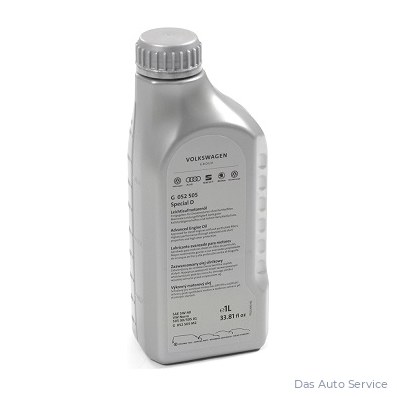
Genuine SpecialD 5W40 Volkswagen diesel oil 1L
Engine oil meeting VW 505 01 for pump-injector engines. The correct oil specification is particularly important for these engines. Never choose engine oil based on viscosity alone.
View in shop
Genuine Longlife III FE 0W30 oil 5L
LongLife III engine oil for common rail engines, provided it meets the required specification. Even with LongLife oil, I recommend changing it every 10,000 km or once a year.
View in shop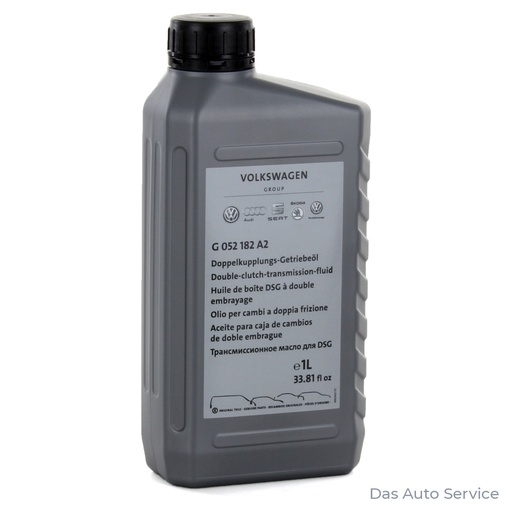
Genuine DSG gearbox oil G052182A2 1l
Genuine DSG gearbox oil. As far as I'm concerned, using the correct oil and changing it on time are essential if you want your gearbox to work properly.
View in shopRead more
- Pre-purchase inspection
- Routine servicing
- 1.9 TDI PD Common Problems and Weak Points
- DSG DQ250 Mechatronic Problems: Signs and Causes
Frequently asked questions
Should I Choose the Touran 2.0 TDI 140 or 170 bhp?
Both are worth considering. I'd choose the one with the better service history and overall mechanical condition rather than chasing a few extra horsepower.
What Are the Most Common Problems with the Touran 2.0 TDI?
On early pump-injector engines, watch out for cylinder head problems, injector wiring and difficult starting when warm. On the diesels, check the EGR, DPF and turbo. If it has DSG, pay particular attention to the mechatronic unit and gearbox service history.
Which Touran Is Better – the Older 1T or the Newer 5T?
The newer 5T has a more modern generation of engines, but that doesn't automatically make every 5T a better buy. The condition of the car and how well it's been maintained are what really matter.
How Often Should I Change the DSG Oil in a Touran?
At Das Auto Service, I recommend changing the DSG oil every 60,000 km using genuine oil. We also carry out gearbox adaptation after every service.