Do you know what's worse than your VW Transporter breaking down? It's not just the van you lose. It's the work you were supposed to get done with it. "Transporter T6 EGR valve replacement", "Transporter T5 2.5 TDI" – these are the things owners start searching for when their van begins smoking, losing power or rattling. And let's face it, your Transporter isn't sitting outside looking pretty. It carries people, delivers goods and works hard every day. That's why I want to talk you through the common VW Transporter T6 EGR problems and the other weak spots on the T5 and T6, so you can look after your van before it lets you down when you need it most.
Which VW Transporter generation do I have, and what engines were fitted?
First, we need to know which Transporter we're talking about, because the T5 and T6 aren't the same. Their engines, exhaust emission systems and common problems are different. Simply telling me "I've got a Transporter" isn't enough. What matters is what's under the bonnet.
- VW Transporter T5 – 2003–2015. Early models came with the 1.9 TDI and the five-cylinder 2.5 TDI. Later, the 2.0 TDI arrived with Common Rail injection. That's a system where all the injectors get their fuel from one shared pipe under high pressure.
- VW Transporter T6 and T6.1 – from 2015 onwards. Here we're talking about the 2.0 TDI EA288 and the AdBlue system, which helps reduce harmful exhaust emissions.
What are the most common VW Transporter T6 EGR problems and other faults?
With these vans, a lot depends on how they've been driven. Cruising along on the open road is one thing. Constantly stopping, starting and carrying heavy loads every day is quite another. When a van works hard, wear and tear builds up. And that's when those familiar problems start showing themselves.
The EGR valve and cooler
"My van's got no power, it's smoking and the engine warning light is on." I hear this a lot with diesel engines. The EGR system sends some of the exhaust gases back into the engine, and those gases bring soot with them. With lots of town driving and heavy use, those deposits build up and can cause trouble with the EGR valve and cooler. But don't rush out and replace the EGR just because somebody in a Facebook group said you should. We need to find out what's actually causing the problem first. I've explained more in my article about the EGR valve and cooler on the 2.0 TDI.
AdBlue problems on the Transporter T6
On the T6, there's another system you need to keep an eye on – AdBlue. It uses a special fluid to reduce harmful emissions from the diesel engine. When an AdBlue warning appears, don't just dismiss it as another annoying dashboard light. Especially if the van starts counting down the kilometres until the engine won't start again. Trust me, that's not something you want to discover first thing in the morning when you're heading to work. Have a read of my article about AdBlue problems on the EA288.
The clutch and dual-mass flywheel
If you drive a manual Transporter, pay attention to the clutch and dual-mass flywheel. Yes, the van was built to carry heavy loads, but that doesn't mean these parts last forever. Constant stopping and starting with a heavy load wears them out faster. If the clutch starts slipping or you hear a rattling noise, don't wait for the problem to disappear on its own. It won't. I've covered the symptoms in detail in my article about the dual-mass flywheel.
DSG gearbox problems on the T5 and T6
If your van has the DSG DQ500 automatic gearbox, it uses wet clutches, which means the clutches work in oil. That oil is essential for the gearbox to work properly. It's not something you can simply forget about forever. When an owner tells me "the gearbox is banging into gear" or "it's jerking", the first thing I want to know is how it's been serviced. Not every jerk means the mechatronics unit has failed. But neglecting gearbox servicing certainly doesn't help. Have a look at when to change the oil in a DSG DQ500.
Suspension wear
The suspension on a Transporter has a tough job. The bushes, shock absorbers and suspension arms take a beating every day, especially when the van is fully loaded. If you start hearing knocking over bumps or notice that the van doesn't feel as stable on the road as it used to, get it checked. Don't assume every noise is normal just because you drive a working van. Heavy use explains why parts wear out. It doesn't mean you should ignore them.
What should I check before buying or driving a Transporter?
Whether you're buying a used Transporter or already using one for work, there are a few things I wouldn't skip. Especially if the van has spent its life carrying heavy loads and covering serious mileage. A spotless interior tells me nothing about the condition of the clutch. And a shiny, freshly cleaned engine doesn't prove the EGR is working properly.
- Check the clutch – see whether it slips, especially when the van is loaded. If the engine revs rise but the van doesn't accelerate as it should, that's something to worry about.
- Watch for smoke and loss of power – if the van smokes or feels sluggish, check the EGR and turbocharger. Don't start replacing parts based on guesswork.
- Check the suspension – take the van along a bumpy road and listen for knocking or banging. Pay attention to how stable it feels.
- Check the service history – these vans can cover enormous distances. Look for actual proof of servicing rather than simply trusting the mileage on the dashboard.
How should I service my VW Transporter T5 or T6?
This really isn't complicated. If your van earns your living, you need to look after it properly. Don't wait until a warning light comes on, something starts rattling or the van stops working. At Das Auto Service, our rules are clear, regardless of what the extended service intervals might say.
- Engine oil and all filters – every 10,000 km or once a year, whichever comes first. That means changing the oil filter, fuel filter, air filter and cabin filter together, even if you're using LongLife engine oil.
- DSG gearbox – change the oil every 60,000 km using genuine oil. We always carry out a gearbox adaptation after the service.
- Heavy-duty use – check the clutch and suspension more often, especially if you're constantly driving fully loaded in town.
IMPORTANT! A van that works every day carrying heavy loads can't be serviced like a private car that's only driven occasionally. If you wait until something seriously goes wrong, you're putting more than the repair bill at risk. You're putting your work at risk too.
Is a VW Transporter T5 or T6 worth buying?
My verdict is simple. The Transporter is a tough, dependable van when you service it on time. But don't expect the clutch, suspension, EGR and gearbox to put up with endless hard work without proper care. With working vehicles, trying to save money on servicing often turns out to be the most expensive mistake you can make. Because when your van stops, your work stops too. And that's money straight out of your own pocket.
Tip from Kris Mladenov: Take your van for a drive outside town at least once a week, especially if most of its journeys are short trips around town. This gives the EGR and DPF better conditions to do their jobs. And please don't skip servicing just because the van still seems to be running perfectly.
I hope you've found this article useful! If you have, I'd really appreciate you sharing it with a friend who drives a Transporter or relies on a van for work every day. My mission is simple. When I know something useful, I want more people to know it too. Because getting something checked at the right time can save you a lot of trouble later.
The solution in our shop
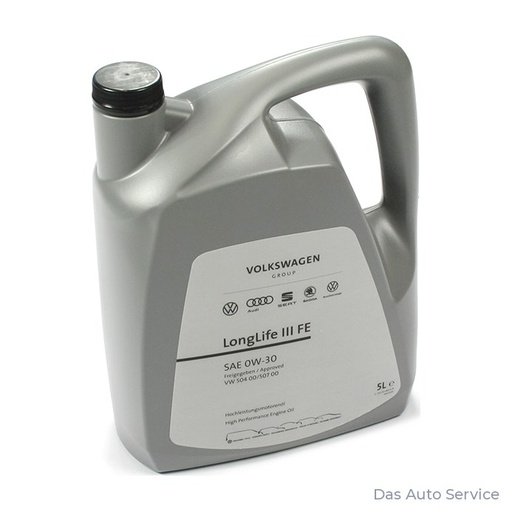
Genuine Longlife III FE 0W30 oil 5L
Genuine LongLife III engine oil meeting VW 507 00. Use it when this specification is required for your engine, and never extend the oil change interval beyond 10,000 km or one year.
View in shop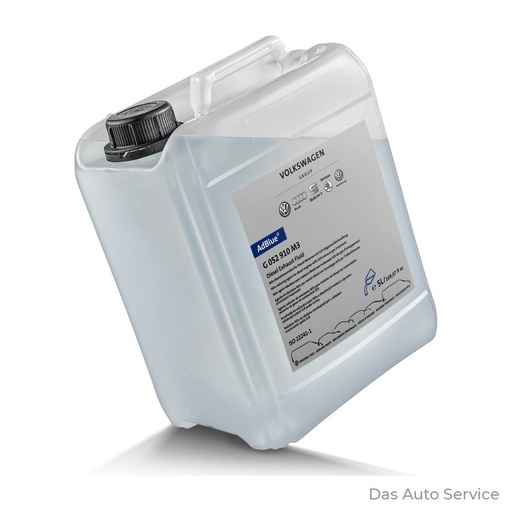
Genuine VAG AdBlue® fluid G052910M4 10l
Genuine AdBlue, 10 l, for the Transporter T6. This fluid is essential for the exhaust emission reduction system to work.
View in shopRead more
- Diagnostics
- Routine servicing
- 2.0 TDI EGR Problems (EA189): Cooler and Limp Mode
- AdBlue No Start in 1000 km: 2.0 TDI (EA288)
- DSG DQ381 and DQ500 Oil Change: When and Why?
- 2.0 TDI Dual-Mass Flywheel: Signs of Failure
Frequently asked questions
What are the most common problems with the Transporter T6?
The main things to watch are the EGR system, AdBlue, clutch, dual-mass flywheel, DSG gearbox and suspension. Heavy loads and frequent town driving make these parts wear out faster.
When should the EGR valve be replaced on a Transporter T6?
There's no fixed replacement interval. The EGR should be checked when symptoms appear and replaced only when proper diagnostics confirm it's faulty.
Transporter T5 2.5 TDI or 2.0 TDI – which is better?
Both engines have their own characteristics. What matters more is the van's actual mileage, its service history and the condition of the particular vehicle you're looking at.
How often should I change the oil in a DSG DQ500 gearbox?
At Das Auto Service, we change the oil every 60,000 km using genuine oil. We always carry out a gearbox adaptation afterwards.