Golf 6, Octavia 2, A3 or Polo with the 1.6 TDI — you probably see them everywhere. The engine is economical, pulls reasonably well and doesn't cost a fortune to maintain. But these cars are getting on a bit now, and not every TDI is worth your money. I've seen enough of them to tell you that shiny paint doesn't mean a healthy engine. So let me walk you through the 1.6 TDI EA189 common problems we check for at Das Auto Service when you bring one in for a pre-purchase inspection.
What exactly is the 1.6 TDI engine?
The EA189 1.6 TDI is a common-rail diesel engine. That simply means its fuel system uses a shared high-pressure rail to supply the injectors. It first appeared around 2009 and was fitted to quite a few VW, Audi, Škoda and SEAT models. This engine was also affected by the emissions recall. That's why one of the first things we check is whether the recall work has been carried out and how the engine behaves afterwards. It matters.
What 1.6 TDI EA189 common problems should we check before you buy?
Has the emissions recall been carried out?
On the 1.6 TDI, the recall involved updated software and a small mesh insert ahead of the mass airflow sensor, designed to straighten the airflow. We check whether the work has been done and whether the engine runs properly afterwards. I really don't want you relying on the seller's word that everything is fine.
What condition are the EGR valve and DPF in?
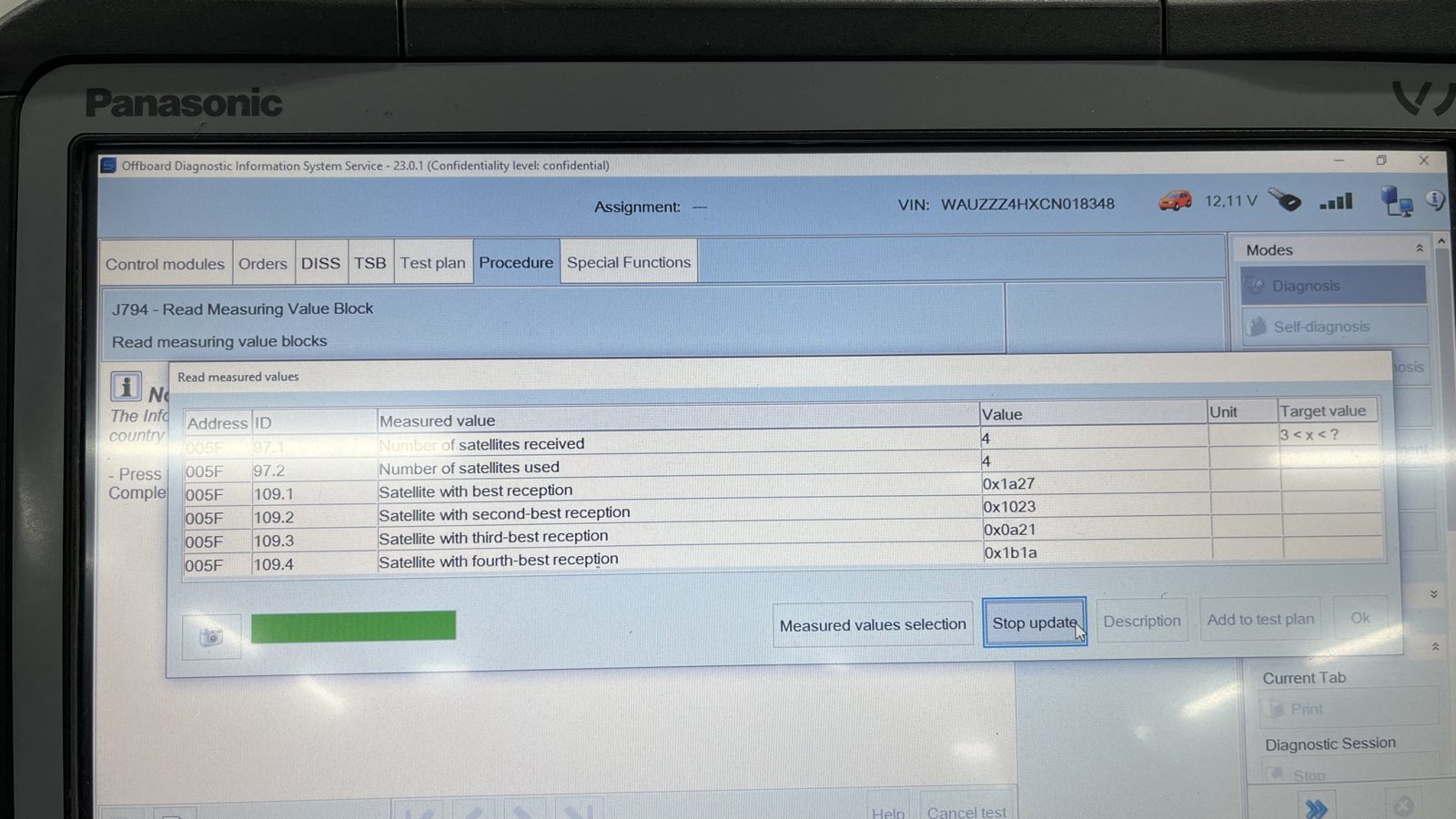
If the car has spent most of its life around town, the EGR valve can clog up and the DPF can fill with soot. That's why simply checking whether the engine warning light is on isn't enough for us. We read the fault codes and live data from the ECU, check the soot load in the DPF and see when the last regeneration took place — that's when the system burns off the accumulated soot. It gives us a much clearer picture of what's going on inside the engine.
How do we check whether the injectors are healthy?
If the TDI struggles to start, shakes at idle or smokes when you accelerate, worn injectors could be the problem. That's why we check the injector correction values for each cylinder. Just listening to the engine won't tell you for certain what's wrong with it.
When was the timing belt last replaced?
The timing belt should be replaced together with the rollers and water pump. I've got one simple rule here — if there's no paperwork showing when it was changed, I treat it as though it hasn't been done. I don't want you taking that risk just because someone says, "The previous owner had it done."
Manual or DSG — what should we look out for?
With a manual gearbox, we check the clutch and dual-mass flywheel. If the 1.6 TDI has a DSG, it's usually the seven-speed DQ200 with dry clutches. We check whether the DSG jerks or shudders when pulling away and look at the clutch values. After every gearbox service, we always carry out an adaptation — the procedure that allows the gearbox to readjust itself. We never skip that step.
Please, don't buy a 1.6 TDI with cleared fault codes and a story about how the DPF was "just regenerated" without getting a proper diagnostic check first. It's an easy way to hide problems that might not show themselves until a month later. And when they do, the repair bill will come out of your pocket, not the workshop's.
You've already bought a 1.6 TDI — what should you do first?
- Change the engine oil and filters if you haven't got paperwork for the last service. Don't just take the seller's word for it. For cars driven in Bulgaria, I recommend changing the engine oil and oil filter every 10,000 km or once a year, whichever comes first, regardless of the oil used.
- Replace the timing belt kit if you don't know when it was last done. Better to have peace of mind now than face an expensive engine repair later.
- Change the coolant — every third heating season. Old coolant can cause tiny pits in the aluminium engine block. Believe me, that's not something you want to underestimate.
- Get a full diagnostic check. That way, you'll know what condition your car is in from day one.
Advice from Kris Mladenov: Ask the seller to start the car in front of you with the engine completely cold, then let you take it for a drive while it's still cold. Hard starting and rattling are easiest to spot when the engine is cold. If it's already warmed up, you've lost the point of that check.
If you've found a Golf 6, Octavia 2, A3 or Polo with the 1.6 TDI that you like, bring it in for a pre-purchase inspection. We'll check its condition and tell you what you can expect afterwards. I'm telling you this because I care — I'd much rather you knew exactly what you were buying now than have you paying for repairs out of your own pocket a month later.
What might you need from our shop?

Genuine LongLife III FE 0W30 engine oil 5L
Genuine LongLife III engine oil meeting VW 507.00. It's a low-ash oil designed to help prevent the DPF from clogging.
View in our shop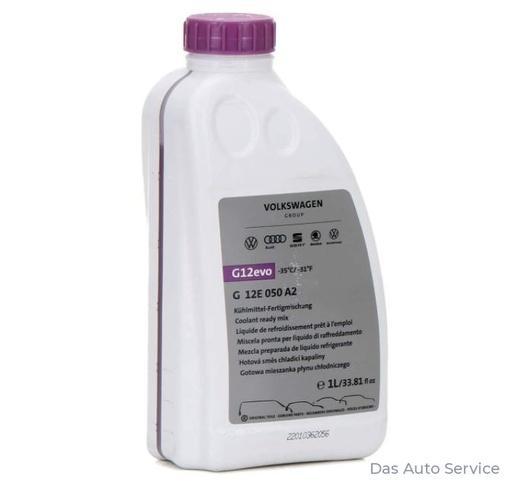
Genuine VAG G12evo coolant G12E050A2 1.0l
Genuine G12evo coolant. If you've just bought the car and don't know when it was last changed, go ahead and replace it.
View in our shopRead more
- Pre-purchase car inspection
- Car diagnostics at Das Auto Service
- 2.0 TDI (EA189): EGR valve, cooler and limp mode
- DSG DQ200 with dry clutches: why does it jerk and shudder?
- Buying a car with DSG: how to check the gearbox before you buy
- Buying a car from Germany: what to check before you pay
- TDI hard starting when cold: glow plugs and checks
Frequently asked questions
Is the 1.6 TDI any good for city driving?
It can be, my friend, but there's a catch. If you only drive short distances, the DPF and EGR valve clog up more quickly. You need to take it out for a decent longer drive regularly. Nothing but short city journeys really doesn't suit this engine.
How can I tell if the emissions recall has been done?
We can check the VIN in the system or run a diagnostic scan. If you're not sure, bring the car to Das Auto Service and we'll check it for you.
What engine oil should I use in a 1.6 TDI?
Use low-ash engine oil that meets VW 507.00, because of the DPF. Pay attention to the VW specification, my friend, not just the big lettering on the bottle.