Looking for an Audi A3 2.0 TDI review? I bet you've already spotted one you like and you're wondering whether to buy it. I get it. A small Audi with a punchy diesel engine, decent performance, low fuel consumption and an interior that feels like it belongs in a more expensive car. That's why the Audi A3 8P (2003–2012) is still one of the most sought-after used Audis in Bulgaria. But there's a catch. That same 2.0 TDI badge can hide some very different engines, and a few of them can give you serious headaches. I'll explain what we look for at Das Auto Service and what I'd check before spending my own money.
Who is the Audi A3 8P 2.0 TDI right for?
If you want a compact car that drives well and gives you that bigger-Audi feeling, the A3 8P is a very good choice. You've got the three-door version and the five-door Sportback, so you can pick whichever suits your needs. It's easy to live with around town, and on the motorway the diesel has enough pulling power to overtake without worrying whether you'll make it. But don't buy one just because it looks good. With these cars, what's under the bonnet matters far more than the wheels.
Which engines and gearboxes came in the Audi A3 8P?
Now things get interesting. Until around 2008–2009, the 2.0 TDI used the Pumpe-Düse (PD) injection system, also known as unit injectors. After that came common rail, the newer fuel injection system. Both are diesel engines, but they have different characteristics and different weak points.
- AZV – 136 hp, Pumpe-Düse. One of the early versions where you need to pay particular attention to the cylinder head.
- BKD – 140 hp, 16 valves. A popular engine, but the early versions have a well-known cylinder head problem.
- BMM – 140 hp, 8 valves. Different from the 16-valve versions, which is why you shouldn't assume all PD engines have the same problems.
- BMN – 170 hp, Pumpe-Düse with piezo injectors. It pulls well, but those injectors deserve special attention.
- Common rail – from around 2009, with 140 or 170 hp. The newer generation, and the one I'd choose if everything else were equal.
- Gearboxes – a 6-speed manual or a 6-speed S tronic with wet clutches, like the DSG DQ250. There's also a quattro version that drives the rear wheels through a Haldex coupling.
What are the common Audi A3 2.0 TDI problems?
Why do early BKD and AZV engines lose coolant?
This is one of the first things we check on the early 16-valve engines. The cylinder head can develop cracks or porosity, which means tiny defects in the metal that allow coolant to escape. The owner tops it up, keeps driving, and then has to top it up again. Sometimes there's white smoke too. That doesn't mean every one of these cars has a cracked cylinder head, but if the coolant level keeps dropping for no obvious reason, I certainly wouldn't ignore it.
Why do the injectors fail and the engine struggle to start when hot?
With Pumpe-Düse engines, there are a few things worth watching: the wiring inside the cylinder head and the injectors themselves, which wear over time. On the BMN, failed piezo injectors can be particularly painful for your wallet. We also hear this complaint all the time: "It starts straight away when cold, but when it's hot, it just keeps cranking." That's the familiar TDI hot-start problem. If you want to understand these engines better, have a read of how the 1.9 and 2.0 TDI Pumpe-Düse engines work.
Why do the EGR, DPF and turbo cause problems?
A diesel engine doesn't enjoy spending its whole life on short trips around town. The EGR valve, which sends some of the exhaust gases back into the engine, gradually fills up with carbon deposits. The DPF, which traps soot from the exhaust, can also start getting blocked when the car is constantly driven in town. And the turbo's variable geometry can start sticking. The result? The car doesn't pull properly, the engine warning light comes on, and the owner has no idea where to start. The answer is proper diagnostics, not throwing new parts at the car and hoping for the best.
Why does the S tronic jerk and the dual-mass flywheel rattle?
The 6-speed S tronic belongs to the wet-clutch DSG DQ250 family. When the gearbox oil has been neglected, it can start shifting harshly and jerking between gears. But a jerky gearbox doesn't automatically mean the whole thing needs replacing. There's also the mechatronic unit, the electronic and hydraulic control system that manages gear changes. I've explained it in detail in my guide to DSG DQ250 mechatronic problems. Separately, the dual-mass flywheel can develop a rattle at idle. Listen carefully for it.
What should I check before buying an Audi A3 2.0 TDI?
One of the biggest mistakes people make when buying a used car is judging it by how tidy the interior looks. A lovely steering wheel won't tell you what condition the injectors are in, and shiny paintwork won't tell you whether the gearbox has been serviced. So here's where I'd start:
- Check the coolant level and have the cooling system tested for combustion gases, especially on early Pumpe-Düse engines.
- Have the injectors, turbo, EGR and DPF checked with proper diagnostics. Don't assume everything is fine just because there are no warning lights on the dashboard.
- Check the gearbox service history and the timing belt history. If there's no proof, don't rely on someone's word that the work has been done.
- On quattro models, check that the rear-wheel drive system works and find out when the Haldex oil was last changed.
These are exactly the things we look at during our pre-purchase inspection. The idea is simple: know what you're buying before you hand over your money. Because once you've bought the car, those problems become yours.
How should I service my Audi A3 8P 2.0 TDI?
If you want this car to last, don't rely entirely on the long factory service intervals. Those intervals also take environmental requirements into account, while I'm interested in what's best for your engine in our driving conditions here in Bulgaria. Here's the service schedule I recommend:
- Engine oil and all filters – oil, fuel, air and cabin – every 10,000 km or once a year, whichever comes first, regardless of the oil used. For Pumpe-Düse engines, use oil meeting VW 505 01. For common rail engines and versions with a DPF, use VW 507 00.
- S tronic – genuine gearbox oil every 60,000 km, together with a new filter and mandatory gearbox adaptation after servicing.
- Haldex on quattro models up to Gen 4 – change both the Haldex coupling oil and the rear differential oil every 60,000 km.
- Timing belt – replace it together with the water pump according to the manufacturer's specified interval. You need to know exactly when it was last done.
If you want everything in one place, take a look at my Audi A3 8P 2.0 TDI service schedule.
WARNING! If an early 2.0 TDI keeps losing coolant without any visible leak, it could be a sign of a cylinder head problem. Don't buy the car until it's been properly checked.
What's my verdict on the Audi A3 8P 2.0 TDI?
I like the Audi A3 8P 2.0 TDI. It's compact, economical, has plenty of pulling power and feels like a well-built car. But I'd choose one with a proven service history rather than simply the best-looking one in the adverts. All else being equal, a common rail engine is the safer bet compared with the early Pumpe-Düse versions. Even so, a genuinely well-maintained car matters far more than a beautifully written advert.
Tip from Kris Mladenov: When buying an Audi A3 8P, don't pay extra just for an "S line" badge and a nice set of wheels. Pay for a proper engine and gearbox history, backed up by evidence of real maintenance. The looks will make you smile, but the mechanical condition is what will save you money.
I hope you've found this article useful! If you have, I'd love you to share it with a friend who's looking for an Audi A3 2.0 TDI. My mission is simple: when I know something useful, I want more people to know it too. That way, we'll have more properly maintained cars on the road and fewer nasty surprises after buying one.
The solution in our shop
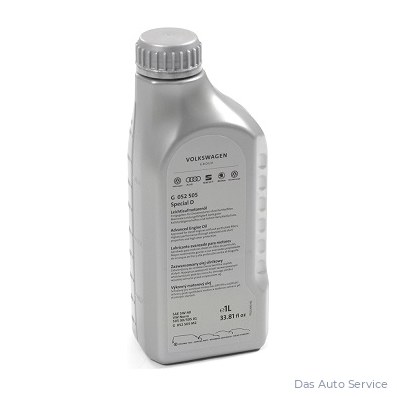
Genuine SpecialD 5W40 Volkswagen diesel oil 1L
Oil meeting VW 505 01 for Pumpe-Düse engines. Using the correct oil specification is important for this type of engine.
View in shop
Genuine Longlife III FE 0W30 oil 5L
LongLife III oil meeting VW 507 00 for common rail versions. Despite the LongLife name, I recommend changing the engine oil and all filters every 10,000 km or once a year, whichever comes first.
View in shop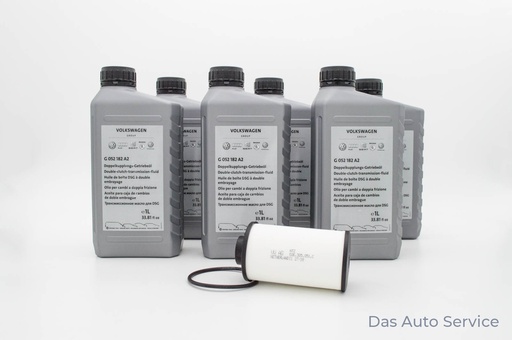
Genuine service kit for the 6-speed DSG DQ250, including oil, filter and seals. Everything needed to service this type of S tronic correctly.
View in shopRead more
- Pre-purchase inspection
- Diagnostics
- Audi A3 8P 2.0 TDI Service Schedule
- 1.9 TDI PD Common Problems and Weak Points
- DSG DQ250 Mechatronic Problems: Signs and Causes
Frequently asked questions
Which 2.0 TDI is better in the Audi A3 8P – Pumpe-Düse or common rail?
I'd choose common rail if everything else were equal. The early Pumpe-Düse engines have known cylinder head and injector problems, but the car's service history and actual condition matter more than the type of injection system.
What are the most common Audi A3 2.0 TDI problems?
On early engines, we pay particular attention to the cylinder head, injectors and hot-start problems. We also check the EGR, DPF, turbo, S tronic gearbox and dual-mass flywheel.
How often should I change the S tronic oil in an Audi A3?
Every 60,000 km, using genuine gearbox oil and a new filter. Gearbox adaptation is mandatory after the service.
Is the Audi A3 8P 2.0 TDI worth buying used?
Yes, provided it has a proven service history and passes a thorough pre-purchase inspection. Don't buy one just because it looks good or because the seller promises the mileage is genuine.