Looking for an Audi A4 B8 2.0 TFSI review? You've probably already read plenty of horror stories about engines burning oil. And now you're wondering whether buying one is a good idea at all. We're talking about the Audi A4 B8 (8K), built between 2008 and 2015, with the second-generation EA888 2.0 TFSI petrol engine producing either 180 or 211 hp. It's a lovely car to drive, quiet and with plenty of power. But! There are a few problems under the bonnet that can turn a great purchase into a very expensive repair. I'll explain what we see at Das Auto Service and what I'd check before spending my own money on one.
Who is the Audi A4 B8 2.0 TFSI right for?
If you mainly drive around town, don't cover huge distances and would rather avoid dealing with a DPF and the usual diesel engine headaches, the 2.0 TFSI is worth considering. The petrol engine is quiet, pulls nicely and makes the A4 feel surprisingly lively. For someone who spends most of their time driving in town, I'd actually choose it over the diesel. There's one big condition, though – the engine needs to be healthy. Because there's no point avoiding diesel problems only to end up with a petrol engine that constantly needs topping up with oil.
Which engines and gearboxes are available?
The Audi A4 B8 2.0 TFSI uses the second-generation EA888 engine. There are two versions worth knowing about, as you'll often see their engine codes in adverts and on forums. Don't just look at the horsepower figure. What matters far more is how that particular car has been maintained and which repairs have already been carried out.
- CDNC – 211 hp (155 kW), second-generation EA888. The more powerful version of the 2.0 TFSI petrol engine.
- CDNB – 180 hp. The same engine generation, but with less power.
- Gearboxes – 6-speed manual, Multitronic on front-wheel-drive models and 7-speed S tronic on quattro models.
What problems does the Audi A4 B8 2.0 TFSI have?
Why does the engine burn so much oil?
This is the best-known problem with this engine, and for good reason. The piston rings and the small oil return holes become clogged. Instead of draining back where it belongs, the oil ends up burning inside the engine. So the owner keeps topping it up, again and again. Later engines received redesigned pistons, which noticeably reduced oil consumption. I've explained exactly what happens in my article about high oil consumption in 1.8 and 2.0 TSI/TFSI engines.
Why does the timing chain rattle on a cold start?
You start the car in the morning, hear a brief metallic rattle and tell yourself it's probably normal because the engine is cold. Don't jump to that conclusion. The timing chain tensioner can lose pressure, leaving the chain too loose. The dangerous part is that the chain can jump a tooth, and then you're looking at a serious engine repair. If you hear that rattling, don't ignore it. Have a read of how to tell if your 1.8 or 2.0 TFSI has a timing chain problem.
What else can go wrong with the engine?
The crankcase ventilation system, water pump and ignition coils are also worth keeping an eye on. If you hear a whistling noise at idle, the crankcase ventilation system needs checking. If the car is losing coolant, a leak from the plastic water pump is one possible cause. And if the engine misfires or hesitates when you accelerate, we check the ignition coils as well. That doesn't mean every hesitation is caused by a faulty coil. It means we need to find the actual cause before we start replacing parts blindly.
Why does the Multitronic gearbox judder when pulling away?
If you're looking at a front-wheel-drive A4 with Multitronic, pay particular attention to the gearbox. One unpleasant warning sign is juddering when pulling away. You'll often read people in owners' groups saying, "That's just how these gearboxes work." I wouldn't accept that explanation without checking the car first. Multitronic needs servicing every 60,000 km using genuine oil, followed by an adaptation. The gearbox's service history matters just as much as the engine's.
What should I check before buying an Audi A4 B8 2.0 TFSI?
With this car, a lovely interior and shiny paintwork aren't enough. I want to know what's happening inside the engine and how the gearbox behaves. That's why I'd carry out a few specific checks before even thinking seriously about buying one.
- Ask how much oil the engine uses. Check the oil level and, if you're suspicious, request an oil consumption test.
- Find out whether the pistons and piston rings have been replaced. Ask for paperwork proving the repair was done, not just someone's word that everything has been sorted.
- Listen to the engine when it's started from cold. Check for timing chain rattle and use a diagnostic tester to check the camshaft deviation.
- Take the car for a proper test drive and have the gearbox diagnosed. Whether it's S tronic or Multitronic, don't ignore juddering or uneven operation.
These are exactly the sorts of things we check during our pre-purchase inspection. The idea is simple – find out what you're buying before the car becomes yours. Once you've bought it, any repairs come straight out of your own pocket.
How should I service my Audi A4 B8 2.0 TFSI?
Regular servicing is especially important with this engine. For cars driven in Bulgaria, I recommend changing the engine oil and all filters – oil, air, fuel and cabin – every 10,000 km or once a year, whichever comes first. That applies regardless of which oil you use or what the LongLife service intervals say. Extended service intervals are aimed at meeting environmental targets, but I want your engine to last. And because we're talking about the 2.0 TFSI, keep checking the oil level between services too.
- Engine oil and all filters – every 10,000 km or once a year, whichever comes first.
- S tronic – change the gearbox oil every 60,000 km using genuine oil, followed by a mandatory adaptation.
- Multitronic – change the gearbox oil every 60,000 km using genuine oil, followed by a mandatory adaptation.
- Spark plugs and ignition coils – inspection and servicing according to the prescribed service schedule.
I've put together a separate Audi A4 B8 2.0 TFSI service schedulecovering the other maintenance jobs. I also recommend having the car inspected every 6 months. That gives us a chance to catch problems while they're still small.
WARNING! If a seller tells you it's normal for the engine to use a litre of oil every 1,000 km, don't accept that as just a characteristic of the engine. On this 2.0 TFSI, that level of oil consumption points towards a piston and piston ring problem that needs repairing. Don't buy a car like that unless you know exactly what you're getting yourself into.
Is the Audi A4 B8 2.0 TFSI worth buying?
Yes, it is, provided the pistons have been replaced or oil consumption is normal, the timing chain has been checked and the car has a good service history. Get those things right and you've got a quiet, enjoyable petrol A4 with plenty of power. But if the engine burns oil, rattles on start-up and nobody can show you what repairs have been done, I'd walk away. There are good cars out there with this engine. You just need to know how to tell them apart from the ones waiting to land their next owner with a massive repair bill.
Tip from Kris Mladenov: With this generation of 2.0 TFSI, always ask for proof of whether the pistons and piston rings have been replaced. If there's no paperwork, check the actual oil consumption and factor in the possibility of an expensive repair before buying. Don't rely on the seller's word alone. Your car should be something you enjoy, not something that leaves you constantly wondering what's going to break next.
I hope you've found this article useful! If you have, I'd really appreciate you sharing it with a friend who owns an Audi A4 B8 2.0 TFSI or is thinking about buying one. My mission is simple – when I know something useful, I want more people to know it too. Because having the right information can save you a lot of trouble and plenty of unnecessary repairs.
The solution in our shop
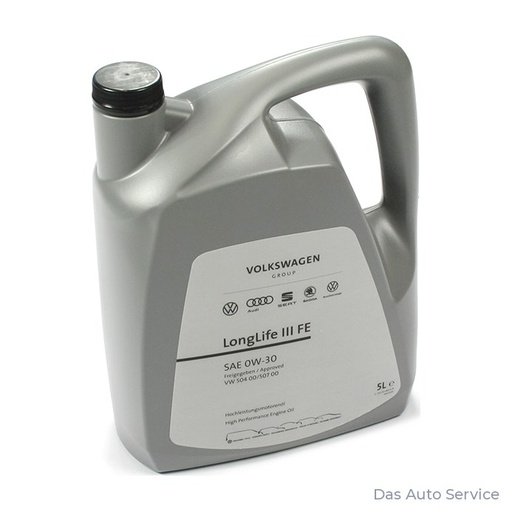
Genuine Longlife III FE 0W30 oil 5L
LongLife III oil is suitable for servicing this engine. Despite the LongLife name, my recommendation remains the same: change it every 10,000 km or once a year.
View in shop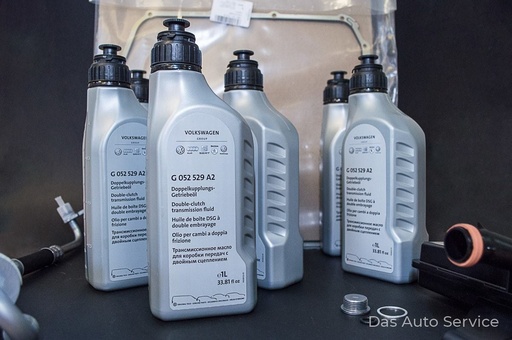
Genuine service set for Audi S-Tronic automatic gearboxes
S tronic service kit. Used when changing the gearbox oil, after which an adaptation must be carried out.
View in shop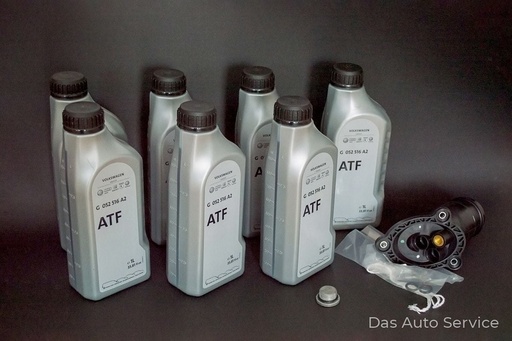
Genuine Audi Multitronic automatic gearbox service set
Multitronic service kit. For regular gearbox servicing every 60,000 km using genuine oil, followed by an adaptation.
View in shopRead more
- Pre-purchase inspection
- Engine overhauls
- Audi A4 B8 2.0 TFSI Service Schedule
- 1.8 and 2.0 TSI/TFSI Oil Consumption Problems
- 1.8 and 2.0 TFSI Timing Chain Problems: Warning Signs
Frequently asked questions
Does the Audi A4 B8 2.0 TFSI burn oil?
Yes, excessive oil consumption is one of the best-known problems with the second-generation EA888 engine. The cause is often the pistons and piston rings, while the later revised pistons significantly reduce oil consumption.
Which 2.0 TFSI engines have oil consumption problems?
The problem is common on the second-generation EA888, including the 211 hp CDNC and 180 hp CDNB versions. What matters is checking the condition of the individual engine and finding out whether the pistons have been repaired.
Audi A4 B8 2.0 TFSI or 2.0 TDI?
If you don't cover many miles and mainly drive around town, I'd choose a healthy 2.0 TFSI. That way you avoid the diesel's DPF-related headaches, but you absolutely must check the oil consumption and timing chain first.
How do I know if my 2.0 TFSI timing chain needs replacing?
Listen for a metallic rattling noise when starting the engine from cold. Have the car checked with a diagnostic tester and inspect the camshaft deviation before making a decision about buying it.