"I opened the bonnet, spent ten minutes looking for the dipstick and found nothing. Doesn't this car have one?" I hear that almost every day at the workshop, usually from someone who's swapped their old Passat or Golf for a newer Audi. And yes, plenty of Audi engines simply don't have a dipstick. Instead, there's a sensor that measures the oil level and displays it on the screen. Handy, isn't it? But that doesn't mean you can forget about checking your oil. Quite the opposite. I want to show you how to check Audi oil level without a dipstick properly, because if you don't follow the right procedure, that screen can give you the wrong impression.
Why doesn't my Audi have an oil dipstick?
Instead of a dipstick, there's an oil level and temperature sensor in the sump, called G266. While you're driving, it continuously monitors the oil level. When you stop, it takes a separate measurement. The engine control unit processes that information and displays it through the MMI or on the instrument cluster. If the oil drops below the minimum, the car warns you.
The manufacturer's idea makes sense. No need to open the bonnet or get your hands dirty. The car tells you when it needs a top-up. Very convenient. But! There's one important detail I want you to understand. The sensor only gives an accurate reading under certain conditions. Ignore those conditions and you could end up trusting a misleading reading.
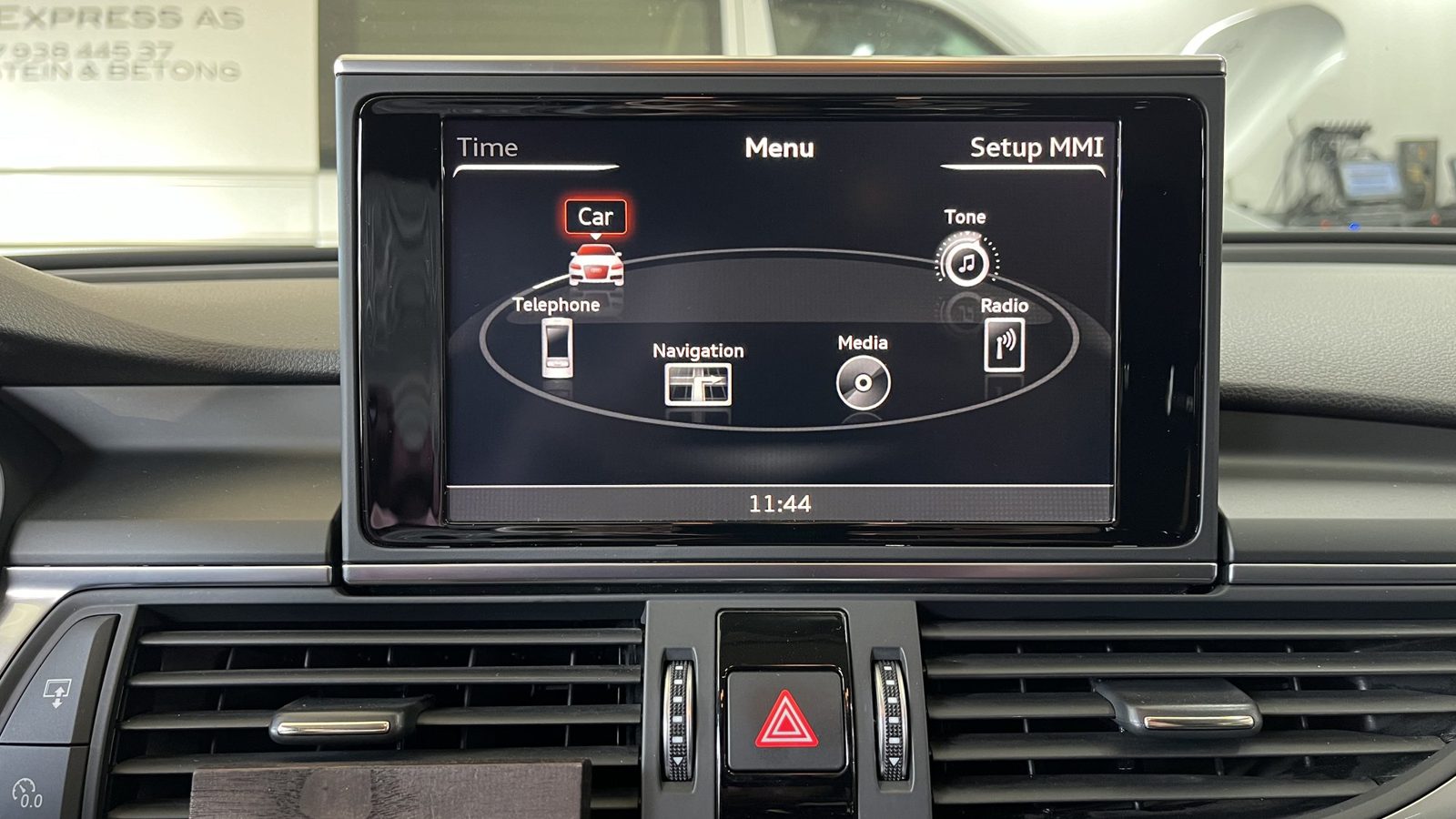
How to check Audi oil level without a dipstick using MMI?
There's nothing difficult about it, my friend, but you do need to follow a few steps. Here's the procedure the manufacturer describes:
- Park on level ground. Even a slight slope in the road can affect the reading.
- The engine needs to be warm. Switch it off while it's still at operating temperature.
- Turn on the ignition without starting the engine.
- Wait a few minutes for the oil to drain back into the sump. On newer models, the handbook says around five minutes.
- On newer MMI systems, go to: Vehicle > Settings & Service > Oil Level. On older systems, it's: CAR > Servicing & Checks > Oil Level.
If the bar is slightly below "min", top up the oil. If it's between "min" and "max", you're fine. Don't add more "just to be safe". More oil doesn't mean better protection.
A tip from Kris Mladenov: Is your MMI telling you it can't measure the oil level? Don't worry straight away. First, check that the car is on level ground, the engine is warm and you've waited long enough. Take it for a normal drive and try again.
Why does my MMI show a different oil level every time?
You check the oil in the morning and get one reading. Check it again in the evening and it's different. Now you're wondering whether the engine is burning oil. Don't panic. There's often a very simple explanation. Engine oil doesn't just sit in the sump like water in a glass. While the engine is running, some of it is up in the cylinder head, inside the turbo and along the walls of the engine block. Once you switch the engine off, that oil needs time to drain back down. Cold oil drains more slowly, while warm oil flows back more quickly. That's why I keep telling you: warm engine, level ground and a few minutes of patience. That's how you get an accurate reading.
There's something else that catches people out. You top up the oil, immediately open the MMI and the bar hasn't moved. That doesn't mean anything has broken. The updated level appears after the next time you switch on the ignition. To be sure, take the car for a short drive and then check it again using the proper procedure.
What mistakes should you avoid when topping up the oil?
This is where we see quite a few mistakes at the workshop. Without a dipstick, some owners start guessing how much oil to add. They pour some in, check the MMI, see that the bar hasn't moved and add even more. Then it turns out the engine has been overfilled.
- Don't pour in a large amount at once. Add a little at a time and check the level after each top-up.
- Don't use oil that doesn't meet the specification in your service handbook.
- Don't mix different oils just because you've got some left over in the boot.
- Don't check the level immediately after topping up, especially if you've parked on a slope outside a petrol station.
WARNING! Too much oil can be just as dangerous as too little. Audi warns in its handbook that both can damage the engine. If you overfill it, the oil can foam, oil pressure can be affected and, on engines with a DPF and catalytic converter, oil can end up in places it really shouldn't be. And if that leads to an expensive repair, you're the one paying the bill. That's why I'm telling you to be careful with the amount you add.
You'll find the correct oil specification in your service handbook and under the bonnet. If you're wondering what the different specifications actually mean, have a read of VW 504/507 and LongLife: what the markings on the bottle mean. And for newer engines, I've also explained when you should use 0W-20 oil meeting VW 508/509.
How often should you check your oil level?
Yes, the sensor monitors the oil level continuously. But I still recommend opening the MMI and checking it yourself once every two weeks, and before every longer journey. It takes two minutes and could save you a lot of trouble.
If you're regularly having to top up the oil, we need to find out why. The engine is burning oil. The cause could be worn piston rings, the turbo, the crankcase ventilation system or an oil leak somewhere. This is a well-known issue on the 1.8 and 2.0 TFSI engines. I've covered it in detail in 1.8 and 2.0 TSI/TFSI engines – excessive oil consumption.
And there's one more thing I'll never stop repeating. For cars driven in Bulgaria, change the engine oil and oil filter every 10,000 km or once a year, whichever comes first, regardless of the oil used. It doesn't matter if your car has LongLife servicing and the dashboard says the next service is due in 30,000 km. I've explained why I insist on this interval in When Should I Change the Oil and Service Parts on My VAG Car?.
What does it mean when the oil warning light comes on?
There's one very important difference I want you to remember: a yellow warning light and a red warning light don't mean the same thing. If the yellow low oil level warning comes on, top up the oil as soon as you can. But if the red oil pressure warning light comes on, don't drive any further. Pull over somewhere safe, switch off the engine and have the car checked. Don't tell yourself, "The workshop's only a few kilometres away. I'll make it." Those few kilometres could turn a small problem into a very expensive repair. And you'll be the one paying for it.
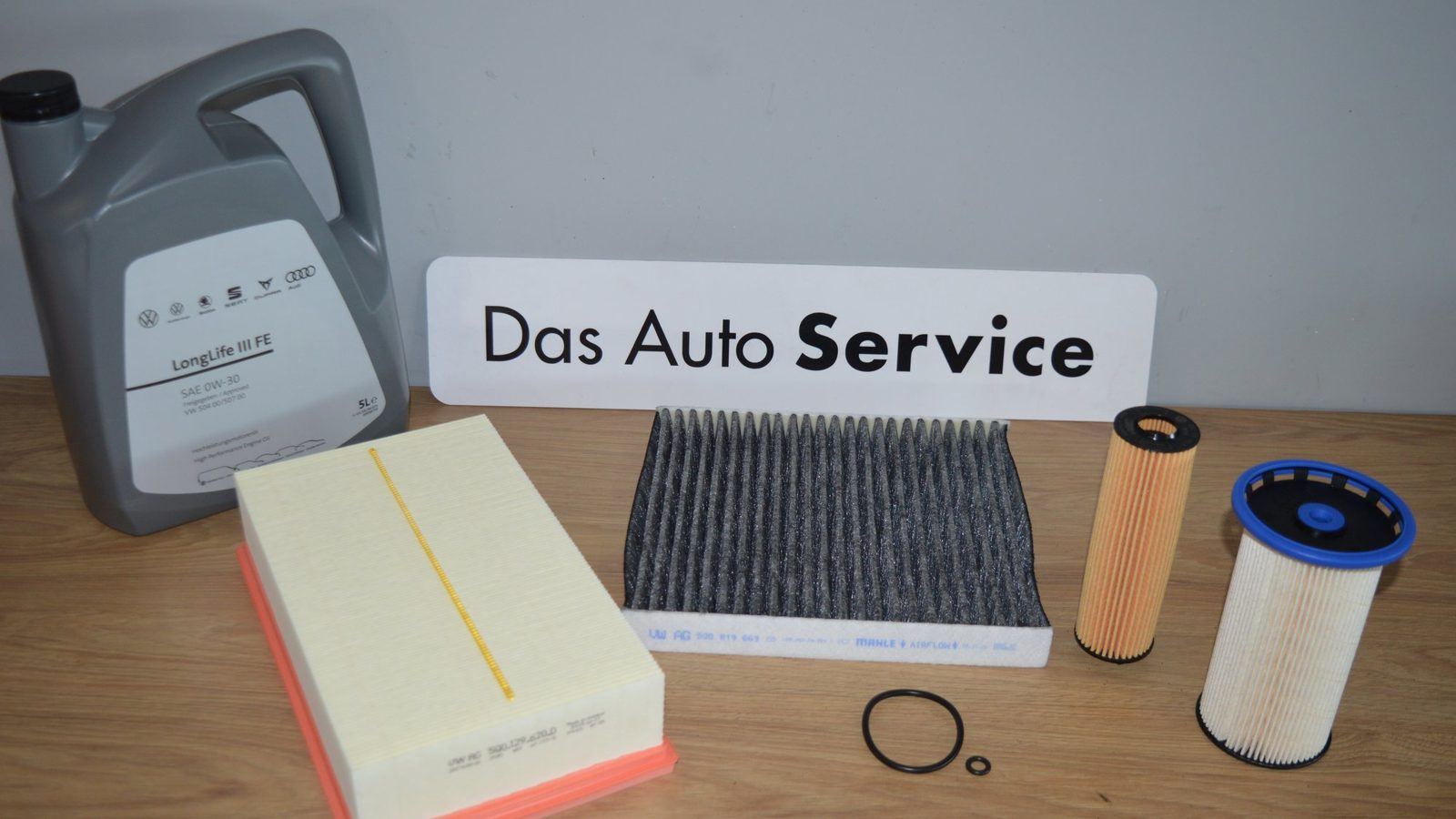
How do we check the oil level at Das Auto Service?
When we change the oil, we don't guess how much to pour in. Every engine has its own exact oil specification and capacity. We use the specified oil, start the engine, wait and then check the level using diagnostics. I want your car leaving our workshop with exactly the right amount of oil. Not too little and not too much. If you'd like to see how we carry out a complete service, have a read of Oil Change: Why We Replace the Washer and Use a Torque Wrench.
And what if the MMI keeps refusing to measure the oil level, or the readings jump around for no obvious reason? There could be a problem with the G266 sensor or its wiring. But! That doesn't mean you should rush out and buy a new sensor. First, we need to carry out diagnostics, find the actual cause and only then carry out the repair. Replacing parts based on guesswork can get expensive. And do you know the frustrating part? It's usually the owner who ends up paying for that mistake, not the workshop.
So, what would I recommend?
Just because your Audi doesn't have a dipstick doesn't mean you can forget about its oil. Check it properly: warm engine, level ground and enough time for the oil to settle. Top it up gradually with genuine oil that meets the correct specification. And don't put off the oil and filter change: every 10,000 km or once a year, whichever comes first. If you'd like us to look after your car, you can book an appointment for routine servicing.
I hope I've helped you out. And if you've got a friend who's just bought an Audi and is still hunting around under the bonnet for the dipstick, send them this article. At least you'll save them a bit of head-scratching.
The solution from our shop
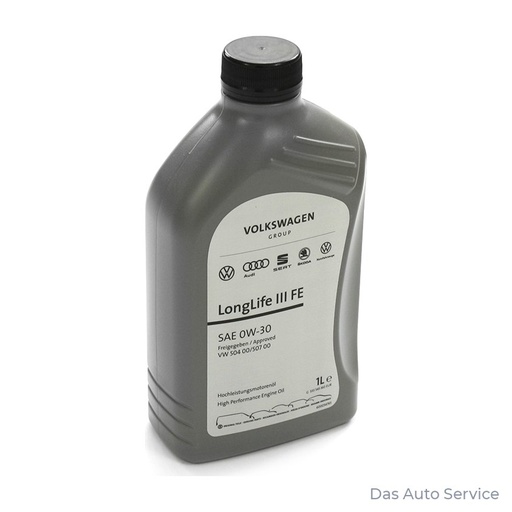
Genuine LongLife III FE 0W-30 engine oil, 1 litre
Genuine LongLife III FE 0W-30 oil, 1 litre – a handy size when you need to top up.
View in our shop
Genuine LongLife III FE 0W-30 engine oil, 5 litres
Genuine LongLife III FE 0W-30 oil, 5 litres – for an oil change where the engine specification requires it.
View in our shop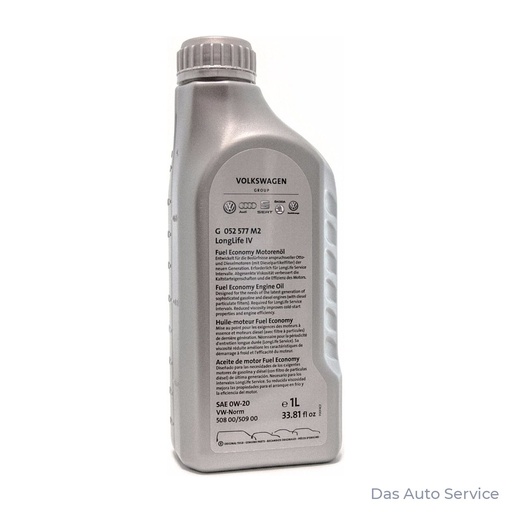
Genuine LongLife IV 0W-20 oil G S60577M2, 1 litre
Genuine LongLife IV 0W-20 oil – for newer engines requiring VW 508 00 / 509 00.
View in our shop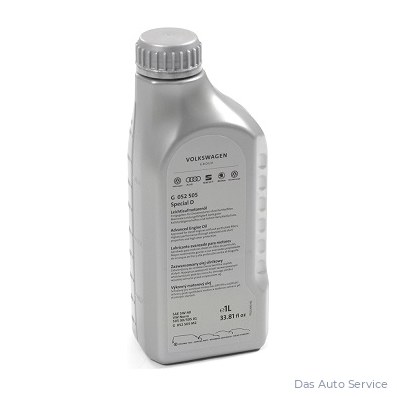
Genuine Volkswagen SpecialD 5W-40 diesel engine oil, 1 litre
Genuine SpecialD 5W-40 oil – for diesel engines where the specification allows it.
View in our shopRead more
- Routine Servicing
- Diagnostics
- When Should I Change the Oil and Service Parts on My VAG Car?
- 1.8 and 2.0 TSI/TFSI Engines – Excessive Oil Consumption
- Oil Change: Why We Replace the Washer and Use a Torque Wrench
- VW 504/507 and LongLife: What the Numbers on the Bottle Mean
- VW 508/509 0W-20 Oil: Can You Use It in an Older Engine?
Frequently Asked Questions
How do I check the oil level on an Audi without a dipstick?
Through the MMI. Park on level ground, switch off the warm engine, turn on the ignition without starting it and wait a few minutes. Then open the oil level menu.
Why isn't my MMI showing the oil level?
Usually because the conditions for an accurate reading haven't been met. The car might be on a slope, the engine might be cold or you might not have waited long enough. If it keeps happening, we need to check the sensor with diagnostics.
How much oil should I add if the bar is below "min"?
Add small amounts of genuine oil that meets the correct VW specification, checking the level each time. Don't pour in a large amount at once. Too much oil can damage your engine too.