Oil warning light on — yellow or red? What should you do?
"My oil warning light has come on" — I hear this regularly at the workshop. And my first question is always the same: what colour is it? Because that little oil can symbol on your dashboard can indicate two completely different problems. One is telling you to check the oil and top it up, while the other is warning you that you could destroy your engine. Literally within a minute. That's why I want you to understand the difference before you ever need to.
Why does the colour of the oil warning light matter?
Your dashboard has two warnings that look almost identical but mean very different things. The yellow or amber warning light usually indicates the oil level — in other words, how much oil is in the engine. The red light warns you about oil pressure — whether the oil pump is delivering oil to all the components that need lubrication. You can have plenty of oil in the engine, but it might not be reaching the bearings. And that's when things get serious.
Those colours weren't chosen at random. Yellow means something needs your attention and should be checked, while red demands immediate action. It's a similar principle to the ESP and ABS warning lightsI've already explained. But when it comes to engine oil, putting things off could cost you the entire engine.
What does a yellow oil warning light mean?
Most commonly, a yellow oil warning light means the oil level has dropped and you need to check it. It doesn't necessarily mean there's a major fault, but it's certainly not an invitation to carry on driving as though nothing has happened. Check the level and top up with oil that meets the exact specification for your engine. Not whatever you've got left over in the garage. Many newer Audi and VW models don't even have a dipstick, which is why I've explained how to check the oil without a dipstick.
There's one detail that often confuses owners, though. If the yellow light is flashing, on some cars it indicates a problem with the oil level sensor rather than necessarily meaning the engine is low on oil. In that situation, blindly topping up could create another problem. First, we check the actual oil level, then connect the diagnostic tester and see what the sensor is reporting. No guesswork.
What if the red oil warning light comes on?
WARNING! The red oil warning light indicates dangerously low oil pressure. Pull over somewhere safe immediately, switch off the engine and do not restart it until the cause has been investigated.
Forget about "I'm only two kilometres from home" or "I'll drive slowly to the workshop". If oil pressure really has been lost, the oil isn't reaching the bearings and the engine could seize in less than a minute. Imagine metal components rotating against each other without the lubrication they need. That's never going to end well. So pull over, switch off the engine and arrange for a recovery truck rather than risk destroying the entire engine.
Why is the red light on when the oil level is at maximum?
Because oil level and oil pressure are two different things. The engine could be full of oil, but the pump might be worn, the oil pickup strainer could be blocked or the filter might be restricting the normal flow of oil. The oil could be too thin, it might not meet the correct specification, or the bearings could already be worn. Sometimes the culprit is simply the oil pressure sensor. But until we've checked, there's no way of knowing which it is.
There's something else I want you to remember. If your engine has started burning oil, producing smoke and losing oil between checks, don't wait for the warning light to remind you. That's already a reason to investigate the problem. In my article about exhaust smoke colours I've explained what the different colours of smoke can tell you.
Which mistakes could cost you your engine?
The first and most dangerous mistake is carrying on driving with the red warning light on because the car still seems to be running normally. The second is pouring in any old oil just to make the warning disappear. I've even seen people confuse engine oil with gearbox oil. And the third mistake is something that really gets on my nerves in this industry — someone clears the fault codes with a diagnostic tester, the light goes out and they declare the car fixed. Except the underlying problem is still there.
Clearing a fault code doesn't repair an oil pump, unblock an oil pickup strainer or restore worn bearings. First, we identify the cause, then we fix it, and only then do we complete the diagnostic process. Anything else is just sweeping the problem under the carpet. And you're the one who ends up paying for it.
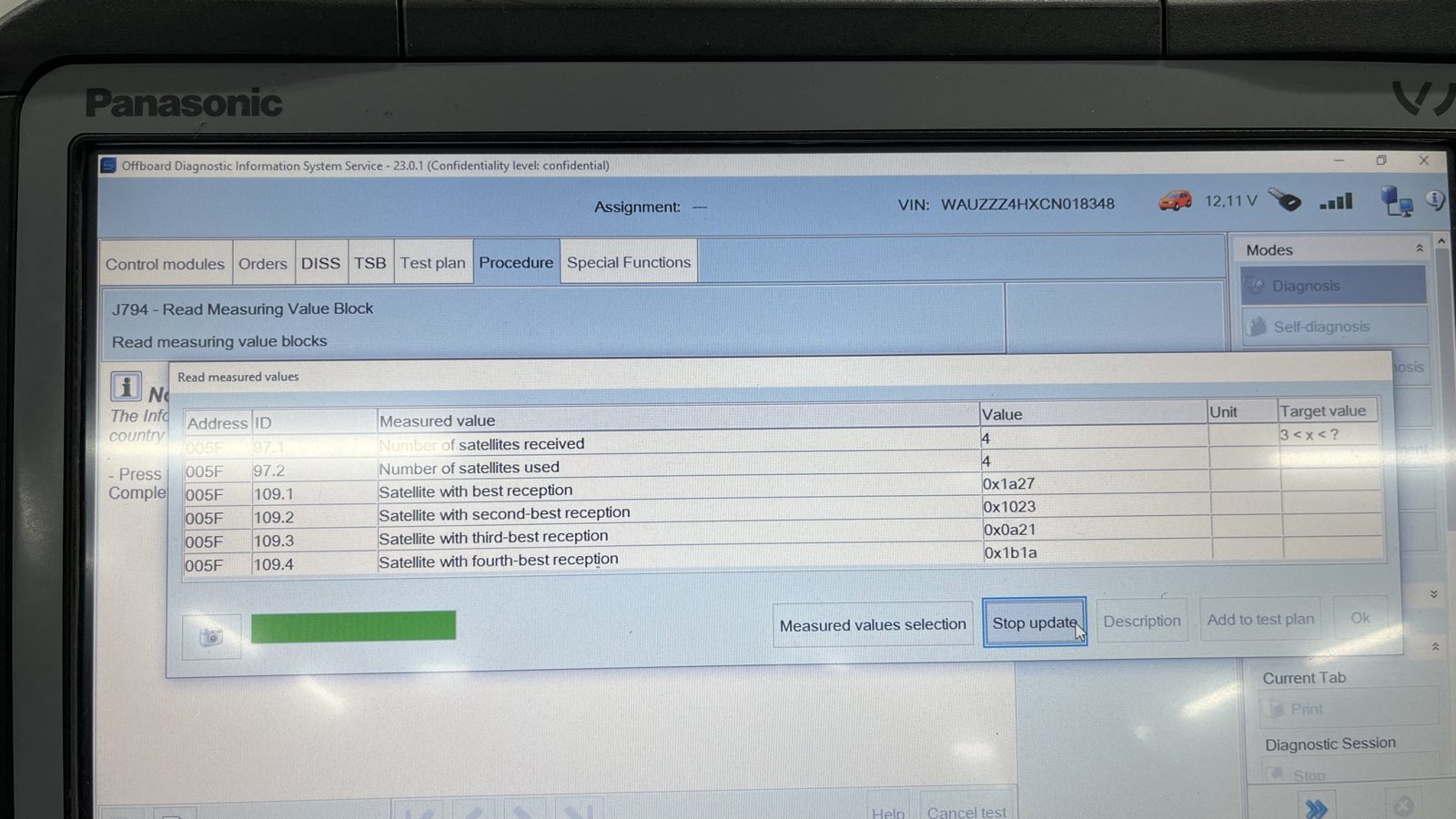
How do we investigate the problem at Das Auto Service?
We start with computer diagnostics and check what the vehicle is reporting, including oil pressure data where it's available in the measuring blocks. We check the actual oil level, the condition of the oil and whether the correct specification has been used. If the warning was yellow, we investigate why the level has dropped and top up with the correct oil. If it was red, we don't automatically assume the sensor is at fault. We need to establish whether the engine actually has the oil pressure it requires.
Once an oil pressure problem has been confirmed, we carry out a more thorough investigation, which could lead to engine repairs. There's no room for assumptions or trial and error here. Because one wrong judgement could turn a repairable problem into a complete engine rebuild.
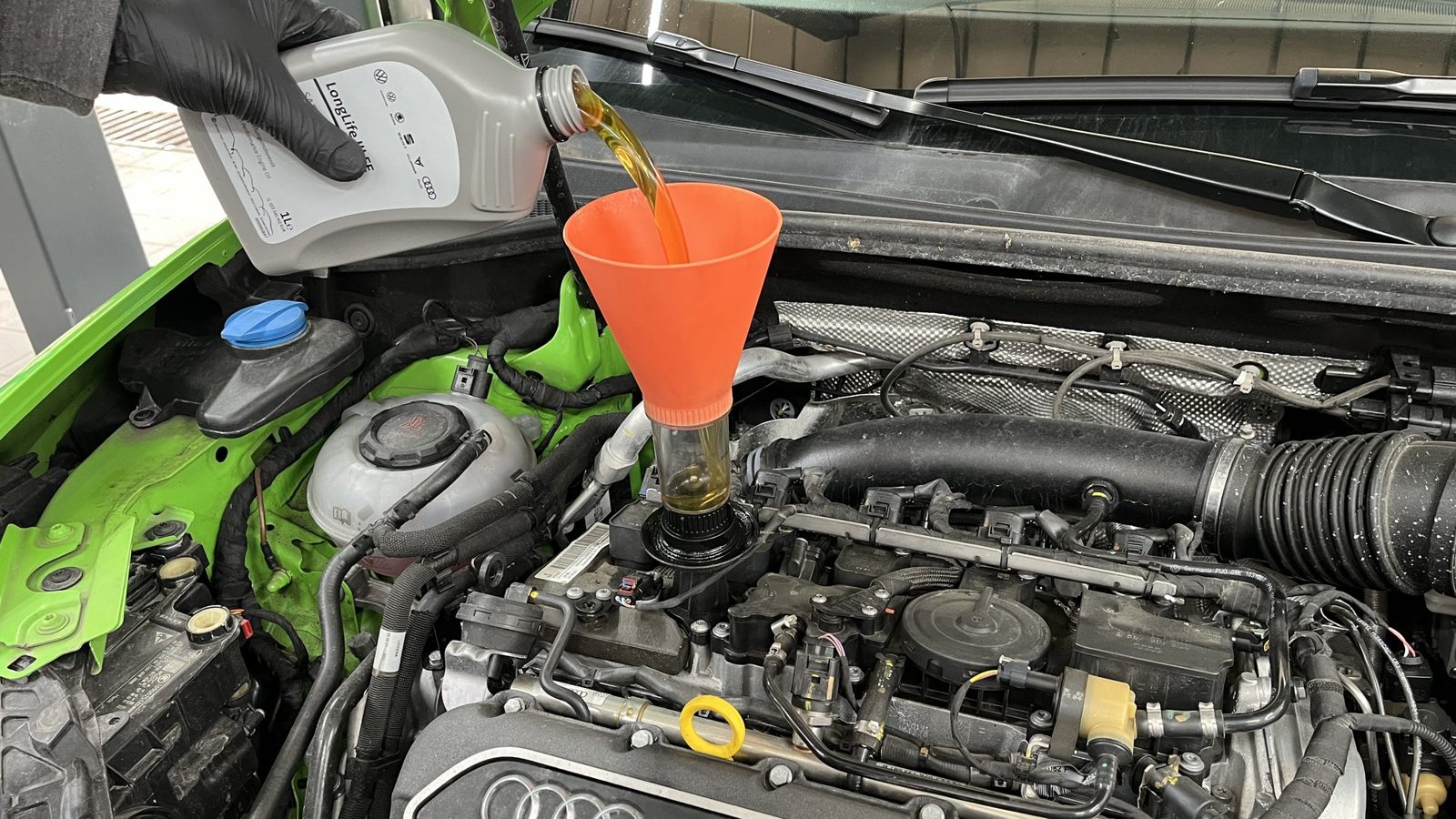
How can I prevent an oil warning light and protect my engine?
Start with the basics — regular engine oil changes. For cars driven in Bulgaria, I recommend changing the oil every 10,000 km or once a year, whichever comes first. We replace all the filters at the same time: oil, fuel, air and cabin filters. It doesn't matter whether the oil container says LongLife. The extended factory service intervals also take environmental requirements into account, but I'd rather protect your engine.
Use genuine oil that meets the correct specification for your particular engine and check the level regularly. I also recommend a workshop inspection every six months. That gives us a chance to catch problems early instead of waiting for the red warning light to deliver the bad news.
Advice from Kris Mladenov: Remember the most important thing: a yellow warning light means check the oil level and deal with it promptly, while a red light means stop and switch off the engine immediately. If you're not sure what colour the light is or exactly what your dashboard is warning you about, don't take the risk. I'd much rather check a perfectly healthy car than repair an engine that could have been saved.
I hope you've found this article useful! If you have, I'd appreciate you sharing it with friends or anyone else who might benefit from it. My mission is simple — when I know something important about cars, I want more people to know it too. Because sometimes getting the right information at the right time can save an entire engine.
The solution in our shop
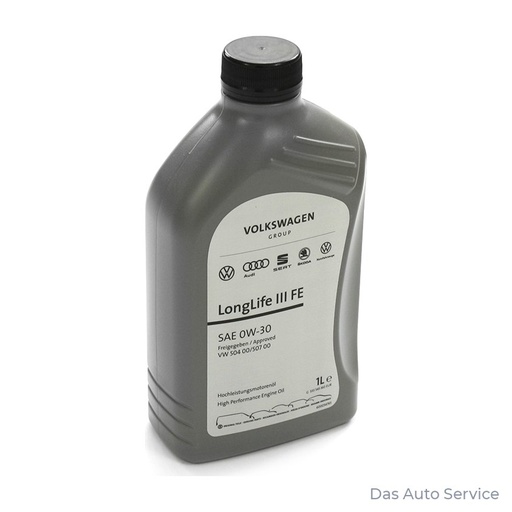
Genuine LongLife III FE 0W30 engine oil, 1L
Genuine LongLife III FE 0W30 in a one-litre bottle is convenient for topping up when your engine requires this exact specification. Don't choose it simply because your car has a petrol engine or because the label says LongLife.
View in our shop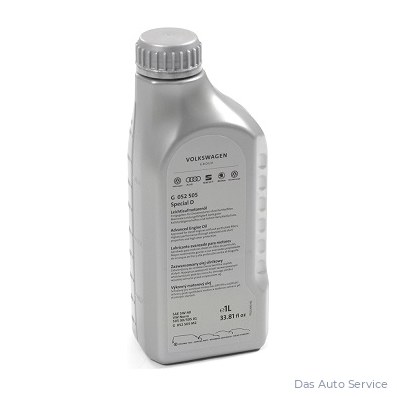
Genuine Volkswagen SpecialD 5W40 engine oil for diesel engines, 1L
Genuine SpecialD 5W40 in a one-litre bottle is an option for topping up diesel engines that require this specification. Check the requirements for your particular engine.
View in our shop
Genuine LongLife III FE 0W30 engine oil, 5L
Genuine LongLife III FE 0W30 in a five-litre container is suitable for oil changes on engines that require this specification. We change it every 10,000 km or once a year, together with the genuine oil filter.
View in our shopRead more
- Diagnostics
- Routine servicing
- Complete engine rebuilds
- How to check the engine oil level without a dipstick
- Exhaust smoke colours: white, blue or black
- ESP or ABS warning light on: why it happens and when driving is dangerous
Frequently asked questions
Can I keep driving with the yellow oil warning light on?
If the warning is only for low oil level, check the level and top up with the correct oil as soon as possible before continuing your journey. If the light is flashing, we also need to check the sensor.
The red oil warning light has come on. What should I do?
Pull over somewhere safe immediately and switch off the engine. Do not restart it or attempt to drive to the workshop — arrange for a recovery truck.
Why is the oil pressure warning light on when the oil level is normal?
Because having enough oil does not guarantee sufficient oil pressure. The cause could be the oil pump, a blockage, unsuitable oil, worn bearings or a faulty sensor. We need to identify the problem through diagnostics.
How often should I change my engine oil?
For cars driven in Bulgaria, I recommend changing the oil every 10,000 km or once a year, whichever comes first. We replace all the filters at the same time and use genuine oil that meets the exact specification.