SEAT Leon 1.9 TDI ARL with 150 hp, or the Leon 1.8T with 20 valves? Two versions that helped turn the first-generation Leon (1M, 1999–2005) into a cult classic. One wins you over with its diesel torque, the other with its turbocharged petrol engine and character. But these cars are getting old now, and many have been through more owners and modifications than you can count. At Das Auto Service, we see beautifully kept examples, but we also see cars where someone has chased more horsepower and forgotten about maintenance. I want to show you what to look out for, because owning a legend is great, but you're the one paying the repair bills.
Who is the first-generation SEAT Leon right for?
If you're looking for an older car with real character, something that puts a smile on your face every time you get behind the wheel, the first Leon is definitely worth considering. Especially the ARL and 1.8T. But there's one thing you need to understand. These are no longer cars you can simply buy and drive without caring what's happening under the bonnet. You need to love your car and be prepared to look after it. If all you want is cheap transport from A to B, I'd suggest looking elsewhere.
Which engines and gearboxes came in the SEAT Leon 1M?
We're talking about two of the most interesting versions of the first-generation Leon. Both have their loyal fans, but they're very different cars to drive. Before you choose, let's look at what you're actually getting.
- 1.9 TDI ARL – 150 hp, unit injectors and a 6-speed manual gearbox. This is the diesel engine that still makes so many people search for this particular version.
- 1.8T 20V – a turbocharged petrol engine producing 180 hp. The Cupra R makes either 210 or 225 hp. This one's for people who prefer a petrol engine with a bit of character.
- The 4x4 versions use first-generation Haldex – a clutch system that brings in the rear wheels when extra traction is needed.
What problems do we see most often at the workshop?
ARL: Why are the injectors and camshaft so important?
The ARL uses a unit injector system, often called PD. Each injector generates the high pressure needed to inject the fuel, and the camshaft helps operate it. That's why the condition of both the injectors and the camshaft matters so much. If your engine is rattling, shaking or simply not running properly, don't rush to accept the first diagnosis someone gives you. I've explained this system in more detail in 1.9 and 2.0 TDI unit injectors – the legend and its weak points.
ARL: Why do the flywheel and clutch suffer?
150 hp is already a decent amount of power for this car, especially when someone decides it needs even more. ECU remapping puts extra strain on the dual-mass flywheel and clutch. The dual-mass flywheel is the part that absorbs vibrations between the engine and gearbox. When it starts rattling or the car begins juddering, we need to find out where the problem is coming from, not just start replacing parts and hoping for the best. And remember, even the best ECU software can't prevent mechanical wear.
Leon 1.8T: What goes wrong with the ignition coils, turbo and oil?
The petrol 1.8T has plenty to offer too, but it doesn't forgive missed servicing. The ignition coils provide the spark for the spark plugs, the turbo forces extra air into the engine, and the oil has to protect everything while the engine is working hard. If your car is misfiring, losing power or having turbo problems, we need to find the actual cause. Simply clearing the fault codes and declaring everything fixed isn't good enough. Regular engine oil changes are particularly important on this engine.
Haldex: Why does the rear-wheel drive system need servicing?
If you've chosen a 4x4 Leon, there's another system you need to look after. Haldex controls when the rear axle engages, but that doesn't mean you can forget about it. The Haldex clutch has its own oil, and the rear differential has a separate oil supply. Both need servicing. I've explained the differences in detail in Haldex generations 1 to 5 – when and how to service them.
What should I check before buying a Leon ARL or 1.8T?
The biggest mistake is falling in love with how the car drives and forgetting to check what you're actually buying. With cars of this age, their history matters enormously. Here's where I'd start.
- Compression and leaks – you need to know what condition the engine is really in. Have a look at how we check an engine's health.
- ECU software – is it original, or has someone remapped it? If it's been modified, find out exactly what's been done.
- On 4x4 versions – does the rear axle actually engage? Don't assume that just because the badge says 4x4, the whole drivetrain is working properly.
If you can't carry out these checks yourself, don't just take the seller's word for it. A proper pre-purchase inspection will give you a much clearer picture of the car's condition. Looks matter, of course, but the health of the engine and drivetrain matters even more.
How should I maintain my SEAT Leon 1.9 TDI ARL?
With an older car, good maintenance makes the difference between enjoying every drive and constantly visiting the workshop. Just because the car is running well today doesn't mean you can keep putting everything off until tomorrow. Here's what I recommend for cars driven in Bulgaria.
- Engine oil and all filters – oil, fuel, air and cabin – every 10,000 km or once a year, whichever comes first. Always use oil that meets the correct VW specification for your engine, regardless of the LongLife service intervals.
- Timing belt kit – replace it according to the prescribed interval, together with the water pump. Don't focus on the belt alone. The whole job needs to be done properly.
- First-generation Haldex – change both the Haldex clutch oil and the rear differential oil every 60,000 km.
IMPORTANT! It's hard to find a Leon ARL that hasn't been remapped. Before buying one, ask what's been done to the engine, who modified the ECU software and which parts were used. Don't mistake extra horsepower for proof that the car has been properly maintained.
Is the SEAT Leon 1M still worth buying today?
Yes, if you're looking for a car with character rather than just something to get you around. The ARL and 1.8T are both really interesting versions, but both need an owner who understands the importance of maintenance. I'd always choose a car with a clear service history over one that only impresses with its horsepower. Because extra power is great, but when the repair bills start arriving, those horses won't be paying them for you. Pay for history and condition, not promises.
Tip from Kris Mladenov: The best Leon 1M isn't necessarily the most powerful one. It's the one whose owner has kept every invoice for servicing and repairs. Look for real evidence that the car has been cared for. If the history is clear and the condition is good, you've got a much stronger reason to buy it.
I hope you've found this article useful! If you have, I'd really appreciate you sharing it with a friend who owns or is looking for a first-generation Leon. My mission is simple – when I know something useful, I want more people to know it too. That way, we'll have more properly maintained cars on the road and fewer owners paying for someone else's mistakes.
The solution in our shop
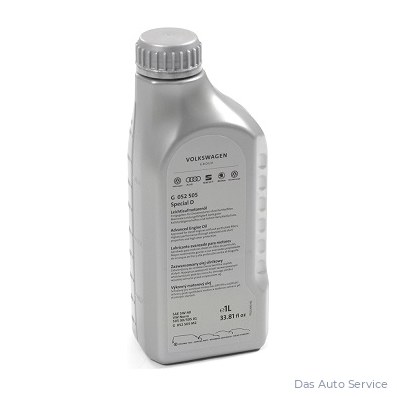
Genuine SpecialD 5W40 Volkswagen diesel oil 1L
Genuine SpecialD 5W40 engine oil, meeting VW 505 01, is suitable for the ARL's unit injector engine. Using oil with the correct VW approval is important for protecting both the engine and its camshaft.
View in shopRead more
- Pre-purchase inspection
- Routine servicing
- 1.9 TDI PD Common Problems and Weak Points
- Haldex Service Intervals: Generations 1 to 5
- Engine Compression Test: How We Check Engine Health
Frequently asked questions
What are the common problems with the Leon 1.9 TDI ARL?
The most important things to check are the unit injectors, camshaft, dual-mass flywheel and clutch. Also find out whether the ECU software has been modified.
Leon 1.9 TDI or 1.8T – which should I choose?
If you prefer the character and torque of a diesel, go for the ARL. If you love a turbocharged petrol engine, have a look at the 1.8T. Either way, the car's condition matters more than which engine it has.
How long does the ARL engine last?
There's no single mileage figure that applies to every car. It depends on maintenance, the engine's condition and any modifications that have been made. That's why you should check its actual condition rather than relying on the mileage alone.
How often should I change the oil in a Leon ARL?
I recommend changing the engine oil every 10,000 km or once a year, whichever comes first, regardless of the oil used. Change the oil, fuel, air and cabin filters at the same time.