Your car has TSI on the back, your neighbour's says TFSI, and another one says TDI. So naturally, you're wondering what the difference is, which one's better and why there are so many different letters in the first place. I hear these questions all the time at the workshop, and some of the explanations online are so complicated that you end up more confused than when you started. But those letters aren't just there to look good on the boot lid. They tell you something about the engine you've got, how it works and what you need to watch out for. I'll explain it all in plain English, just as I would if we were standing together in front of your car.
What does TDI mean, and why is it on so many diesels?
TDI means a diesel engine with a turbo and direct fuel injection. In simple terms, the turbo helps the engine take in more air, while the fuel is injected straight into the cylinders, where it burns. That's the basic idea. But here's the thing! Not all TDI engines are the same, even when the badge on the back is identical.
On older VW and Audi diesels, you'll come across what's known as the Pumpe-Düse system, or PD for short. Each injector has its own mechanism for building up the high fuel pressure it needs. Newer engines use common rail, where fuel is supplied to the injectors under high pressure from a shared fuel rail. Both systems are TDI, but they work differently. That's why, when someone tells me they've got a 2.0 TDI, my first question is always which exact engine it is.
If you drive an older diesel and want to understand the differences, have a read of my article on the 1.9 and 2.0 TDI PD engines. I've explained what makes these engines different and why knowing exactly which one you've got really matters.
What is FSI, and why doesn't it have a turbo?
FSI is a petrol engine with direct fuel injection, and on the older VW and Audi models we're talking about, it doesn't have a turbo. That means petrol is injected straight into the cylinder instead of going into the intake manifold first, as it does with older injection systems. The difference is simply how the engine gets its fuel. Nothing mysterious about it.
Think of it this way. In one engine, petrol is fed into the path the air takes. In the other, it goes straight into the cylinder, where it's going to burn. That's what direct injection means. The FSI engines we're talking about here don't have a turbo to push extra air into the engine. Remember that difference, because it'll help you understand what changes when we get to TSI and TFSI.
TSI vs TFSI vs TDI: what's the difference?
This is the bit that confuses most people. You see TSI on a VW and TFSI on an Audi, so it's perfectly reasonable to think they're two completely different types of engine. But the answer is much simpler than that. Both TSI and TFSI are used for turbocharged petrol engines with direct fuel injection. The main difference is what the manufacturers choose to call them.
Audi uses TFSI, while VW, Škoda and SEAT use TSI. Technically, we're talking about the same engine families, although individual versions can be different. That's why I don't want you choosing or judging an engine just by the letters on the boot lid. What really matters is the exact engine behind that badge.
Take the 1.8 and 2.0 TSI/TFSI engines, for example. With those, you need to look at the specific engine, not just the badge. There are a few things worth knowing, especially if your car starts using oil. I've written a separate article about it: 1.8 and 2.0 TSI/TFSI – excessive oil consumption. Give it a read if you've got one of these engines. I'd much rather you knew what to watch for now than found out when you're facing a repair bill.
What do eTSI, TFSI e and GTE mean?
Just when you've got your head around TSI and TFSI, another little 'e' appears on the badge. And you're left wondering all over again. Don't worry. The important thing here is understanding what kind of electrical assistance the engine has. Because not every car with an 'e' in its name is the same type of hybrid.
- eTSI means a petrol engine with a 48 V mild hybrid system. It's a type of hybrid where the electrical system gives the petrol engine a helping hand.
- TFSI e and GTE mean plug-in hybrid. These cars combine a petrol engine with electric drive and a battery that you can also charge from an external power source.
See how much easier it gets once you know what the letters actually mean? You don't need to memorise every technical term. You just need to know what kind of engine you've got and whether there's an electrical system helping to drive the car. The finer details can then be checked against your specific vehicle.
What do these engine badges mean for servicing my car?
Now we're getting to the part I care about most. You can know every engine badge under the sun, but if you don't look after your engine properly, none of those letters will save you. There are three things I really want you to remember, because they directly affect how long your engine lasts and how much money stays in your pocket.
- Direct injection can lead to carbon deposits building up on the intake valves. Over time, these deposits can interfere with how the engine runs. I've explained the whole problem in my article about carbon build-up on TSI and TFSI intake valves.
- Your engine oil must have the correct manufacturer approval for your specific engine. Seeing 5W-40 or 0W-20 on the bottle isn't enough. You need to know whether that exact oil is suitable for your engine.
- For cars driven in Bulgaria, I recommend changing the engine oil and all filters every 10,000 km or once a year, whichever comes first. That means the oil filter, fuel filter, air filter and cabin filter, all changed together. It doesn't matter whether you're using LongLife oil. Extended service intervals are partly driven by environmental requirements, but my priority is keeping your engine healthy.
IMPORTANT! The letters TSI, TFSI, TDI and FSI don't tell you your exact engine code. You'll find that code in your service book and on the vehicle identification sticker. It's the engine code that tells us which oils and parts are right for your car. Don't buy something just because the packaging says it's suitable for TDI or TFSI.
Here are a few examples of genuine engine oils. I'm showing you these so you can see why there are different products and why choosing the right one always starts with knowing your exact engine.
Tip from Kris Mladenov: Remember your engine code, not just the letters on the boot lid. With that code, any workshop can give you a much more accurate answer about the right oil, parts and servicing for your car. And if you don't know it, check your service book or vehicle identification sticker before ordering anything. It'll save you from mistakes, unnecessary expense and a lot of headaches.
I hope this article has helped you! If it has, I'd love you to share it with a friend who's also wondering about the difference between TSI, TFSI and TDI. My mission is simple: when I know something useful, I want more people to know it too. Because the better you understand your car, the harder it is for someone to confuse you with a convincing sales pitch. And the less likely you are to end up paying for mistakes out of your own pocket.
The solution in our shop
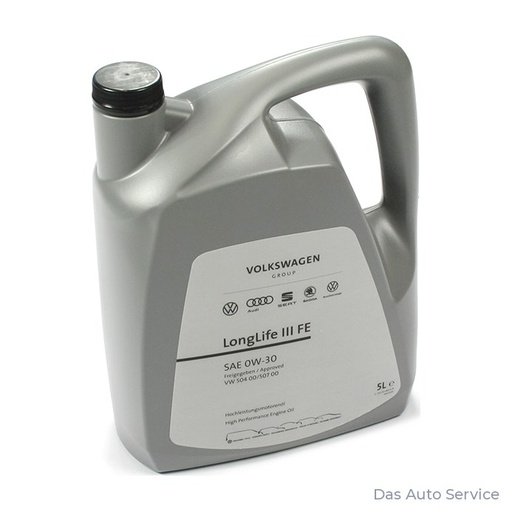
Genuine Longlife III FE 0W30 oil 5L
Genuine LongLife III engine oil is an option for engines that specify the relevant oil approval. Check your engine code before choosing it.
View in shop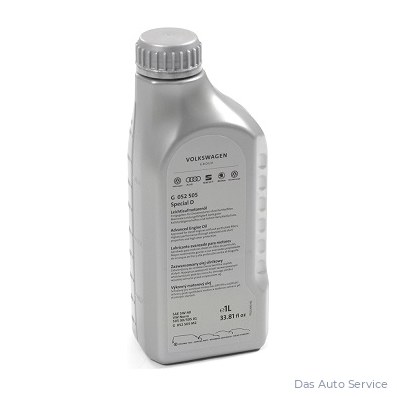
Genuine SpecialD 5W40 Volkswagen diesel oil 1L
SpecialD 5W40 engine oil is intended for TDI PD engines where this oil is specified. Getting the oil right is especially important with these engines.
View in shop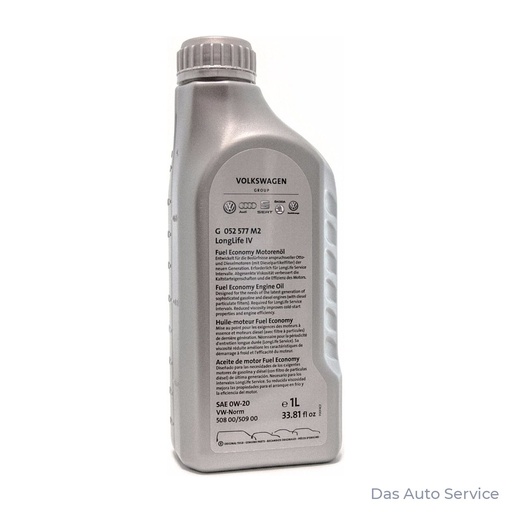
Genuine LongLife IV 0W20 oil G S60577M2 1l
Genuine LongLife IV 0W20 engine oil is for engines that specifically require this type of oil. Don't choose it just because it's newer or the label makes it look better.
View in shopRead more
- Routine servicing
- 1.8 and 2.0 TSI/TFSI Oil Consumption Problems
- TFSI Intake Valve Carbon Build-Up: Causes and Cleaning
- 1.9 TDI PD Common Problems and Weak Points
Frequently asked questions
TSI vs TFSI vs TDI: what's the difference?
Both refer to turbocharged petrol engines with direct fuel injection. Audi uses TFSI, while VW, Škoda and SEAT use TSI. To understand the exact differences, you need to know the engine code.
What does TDI mean?
TDI means a turbocharged diesel engine with direct fuel injection. Older versions may use the PD (Pumpe-Düse) system, while newer ones use common rail.
What is eTSI?
eTSI is a petrol engine with a 48 V mild hybrid system. The electrical system helps the petrol engine do its job.
Can I choose engine oil just by looking at the TSI or TDI badge?
No. You need to know your exact engine code and the oil approval specified for that engine. The letters on the boot lid aren't enough.