You spot oil around the turbo or inside the intercooler hoses, take your car to a garage and hear the verdict: "You need a new turbo." I hear this all the time, and there's something I want to tell you that could save you a lot of trouble. Oil around the turbo doesn't always mean the turbo itself is faulty. Sometimes it's a seal, sometimes it's the crankcase ventilation system, and sometimes the oil is simply running down from somewhere above. But here's the thing! If you don't find out exactly where it's coming from, you could replace a perfectly good turbo and end up with exactly the same problem. So let me explain how we tell the difference at Das Auto Service between a genuinely faulty turbo and an oil leak that just looks worse than it is.
Where is the oil coming from?
The first thing you need to understand is that the turbo is lubricated by engine oil. Oil enters through one pipe, lubricates the shaft spinning inside the turbo, then flows back into the engine through another pipe. Air also passes through the turbo on its way into the engine. So when you find oil on the outside or inside the hoses, you need to work out which route it has taken. There are several possible causes, and not all of them mean the turbo is faulty.
- Oil supply and return pipes. These pipes have seals that can start leaking over time. When that happens, oil appears around the connections and can spread across the turbo housing. The turbo itself might still be working perfectly well.
- Turbo shaft seals. The shaft is the central part that the turbine and compressor wheels spin on. When the sealing stops working properly, oil can get into the air side of the turbo and make its way towards the intercooler. This is when we need to check the condition of the turbo itself.
- Crankcase ventilation. This system takes gases from inside the engine and feeds them back into the incoming air. Those gases can carry oil vapour with them. That's how oil can end up inside the hoses without leaking through the turbo at all. Yet everyone ends up blaming the turbo.
- Oil leaks above the turbo. Oil can leak from the rocker cover or vacuum pump and simply run down onto the turbo. Look from underneath and all you see is an oily turbo housing, so naturally you assume that's where the leak is coming from. Except the real source is somewhere else entirely.
That's why I don't like diagnoses made from a quick glance. Oil runs down surfaces, spreads around and sometimes the place where you find it has very little to do with where the leak actually started. You need to trace it back to its source. Otherwise, you're just guessing.
When is the turbo actually at fault?
There are certain signs that make me take a much closer look at the turbo itself. For example, excessive play in the shaft, unusual whistling noises, bluish smoke when accelerating and a large amount of oil at the outlet leading to the intercooler. When several of these symptoms appear together, the chances of a genuine turbo problem increase significantly. But even then, I wouldn't condemn the turbo before checking where the oil is coming from.
Bluish smoke is an important warning sign because it can mean the engine is burning oil. Whistling also deserves attention, especially when it comes with other symptoms. And checking the shaft for excessive play helps us assess the condition of the turbo's internal components. Any one of these symptoms on its own isn't enough for a definite diagnosis. If you'd like to understand more about the combination of whistling, smoke and loss of power, have a read of my article about 2.0 TDI turbo problems.
When isn't the turbo to blame?
We take off an intercooler hose, find a little oil inside and suddenly everyone starts panicking. But a thin film of oil on the inside of the hoses is actually normal. The crankcase ventilation system feeds oil vapour back into the air entering the engine, and some of that oil settles on the hose walls. That alone doesn't mean you need a new turbo. What matters is how much oil there is and whether there are any other signs of a fault.
If there's a lot of oil but the turbo shaft doesn't have excessive play, one of the first things I check is the crankcase ventilation system. It could be the reason oil is collecting inside the intake system. And this is where people make a costly mistake: they replace the turbo without fixing the actual cause. Then they find oil again and can't understand why. I've explained this in more detail in my article about oil in the intercooler.
What do we check when diagnosing a turbo oil leak?
At Das Auto Service, we don't start by replacing parts. We start by finding the cause. I want to know whether the turbo itself is leaking oil, whether the oil is coming from the engine or whether there's an external leak. Because fixing the actual problem is one thing. Simply replacing the most expensive part you can see is something else entirely. That's why we carry out several checks.
- We check the turbo shaft for play. This helps us identify signs of wear inside the turbo. We're not just checking whether the shaft moves, but whether that movement exceeds the permitted limits.
- We check the crankcase pressure. This helps us work out whether the crankcase ventilation system is functioning properly. If there's a problem here, oil can enter the intake system without the turbo being the main cause.
- We check the oil pipe seals. We inspect both the oil supply and return connections because a leak around either of them can easily look like oil leaking from the turbo housing itself.
- We clean the oily area and watch where the oil first reappears. This is one of the most important steps. When everything is covered in oil, it's difficult to see where the leak actually starts.
Once we've completed these checks, we can talk about the repair. Sometimes we need to fix an external oil leak. Other times the problem is with the crankcase ventilation system. And sometimes the turbo genuinely needs repairing or replacing. The important thing is to make that decision after diagnosing the problem, not before. To me, that's the difference between repairing a car and taking a guess.
WARNING! If you fit a new turbo without fixing whatever caused the original failure, you risk damaging the replacement very quickly. First, we find and fix the underlying cause. Only then do we decide what needs to be done with the turbo. Do it the other way round and you could end up with exactly the same problem again.
Tip from Kris Mladenov: Turbos need clean oil and proper care. For cars driven in Bulgaria, I recommend changing the engine oil and all filters (oil, fuel, air and cabin) every 10,000 km or once a year, whichever comes first, regardless of the oil used or the LongLife service intervals. After driving the car hard, let the engine idle for about a minute before switching it off. These are simple habits that can help your turbo last longer.
I hope you've found this article useful! If you have, I'd really appreciate it if you shared it with a friend who's worried they might need a new turbo. My mission is simple: when I know something useful, I want more people to know it too. Because an informed car owner can ask the right questions and avoid unnecessary repairs.
The solution in our shop
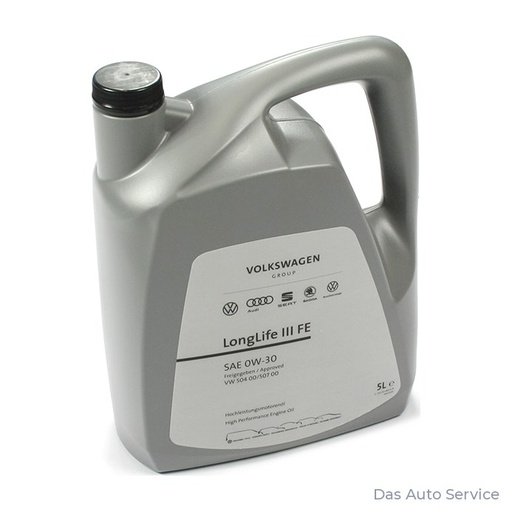
Genuine Longlife III FE 0W30 oil 5L
Genuine LongLife III engine oil. Clean oil is essential for lubricating the turbo shaft and keeping the engine running properly.
View in shop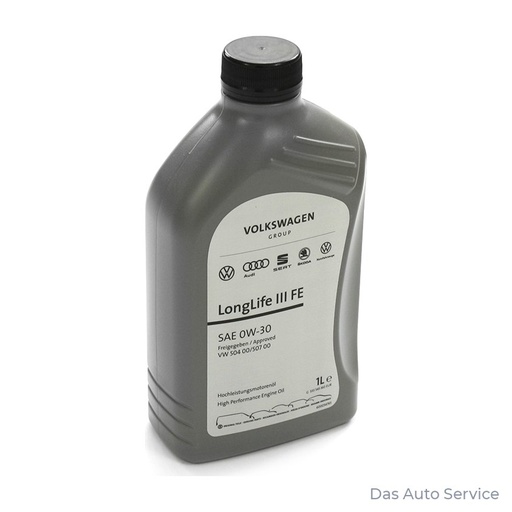
Genuine Longlife III FE 0W30 oil
Genuine LongLife III engine oil, 1 litre. Suitable for topping up when your car requires this exact oil specification.
View in shopRead more
- Diagnostics
- Engine overhauls
- 2.0 TDI Turbo Problems: Whistling, Smoke and Power Loss
- Oil in TDI Intercooler: Turbo or Breather?
Frequently asked questions
Why is oil leaking from my turbo?
The cause could be leaking oil pipe seals, worn turbo shaft seals, a problem with the crankcase ventilation system or an oil leak from another component above the turbo. Finding oil around the turbo doesn't automatically mean the turbo itself is faulty.
Is it normal to have oil in the intercooler?
A thin film of oil inside the hoses is normal. If there's a lot of oil, the turbo and crankcase ventilation system need to be checked before deciding which parts, if any, need replacing.
Do I need to replace my turbo if it's leaking oil?
Not necessarily. First, we need to find out where the oil is coming from, check the turbo shaft for excessive play and make sure the crankcase ventilation system is working properly. Only then can we decide whether the turbo needs repairing or replacing.