You buy a used car, fall in love with the engine, and a few months later you're facing a repair bill worth half the car. I hear stories like this all the time at the workshop. And the worst part? Many of these problems could have been spotted before the purchase. So I want to tell you which VAG engines I'd be particularly careful with. But! This isn't a blacklist. Some of these engines are excellent once their known weak points have been fixed. The trouble starts when you buy one with no service history and only discover what needs fixing after it's yours.
Which VAG engines would I avoid without a service history?
There's a big difference between an engine with a known design weakness and one that's guaranteed to break down. The first can run beautifully if the problem has been fixed. As for the second, nobody can promise you an engine will never fail just by looking under the bonnet. That's why I don't rule out a car simply because of its engine. I rule it out when the seller can't prove what's been done to it.
1.8 and 2.0 TFSI engines with high oil consumption
I'll start with the early second-generation 1.8 and 2.0 TFSI engines. The big issue here is excessive oil consumption, which on some engines is linked to the pistons. If the pistons haven't been replaced, I'd be very cautious about buying the car. Because an engine that runs quietly and smoothly on a test drive is one thing. An engine that starts drinking oil after you've bought it is quite another. If you want to understand exactly what goes wrong, read my article about excessive engine oil consumption.
Now, here's where it gets interesting. If the engine has been repaired properly and there's paperwork proving the pistons were replaced, that's a different story. You're no longer looking at the same risk as a car nobody knows anything about. I'd certainly consider buying one. But only after a proper inspection.
1.2 and 1.4 TSI engines with timing chains
Next are the 1.2 and 1.4 TSI engines from the EA111 family, which use a timing chain. The question here is whether the chain has been replaced and whether there's proof of the work. If the seller tells you the engine runs perfectly, that doesn't answer your question. The timing chain can cause trouble even when the car seems completely fine. Especially if you can already hear that distinctive rattling noise. I've explained the problem in detail in my article about EA111 timing chain problems.
Would I buy a car with one of these engines? Yes, if there's proof of the repair and an inspection doesn't reveal any problems. But if the service history is unknown, I wouldn't trust someone telling me, "That's just how these engines sound." Those words won't fix a thing. And when something goes wrong, you're the one paying the bill.
Early 2.0 TDI 16-valve engines with pump injectors
With the early 2.0 TDI 16-valve engines fitted with pump injectors, I'd pay particular attention to the cylinder head. It's one of the known weak points that absolutely needs checking before you buy. One especially important test is checking for combustion gases in the coolant. Because the engine might start, run and seem perfectly normal while the problem is already there. And suddenly, that bargain price doesn't look quite so attractive.
V6 TDI engines with no timing chain history
Got your eye on a 3.0 TDI? I understand why. But with this engine, the timing chain history is incredibly important. The reason is simple: replacing the chains means removing the engine. That makes it a major repair, nothing like a routine service. If there's no paperwork showing the condition of the chains or any repairs carried out, I'd insist on a very thorough inspection. I've also explained why the engine has to come out for this job.
I'm not saying every V6 TDI has a problem. I'm saying that if something does go wrong, you need to be prepared for a major repair. And when you're buying a used car, these are exactly the things you need to know beforehand. Not after you've handed over your money.
Big V8 and W12 engines at bargain prices
This one's a slightly different trap. You spot a big, luxurious car with a V8 or W12 engine at a price that looks almost too good to be true. But the purchase price and the cost of maintaining the car are two very different things. With these engines, maintenance can cost as much as the car itself. That's why I'd never choose one just because the car has become affordable to buy. You also need to be able to afford to look after it.
What should I check if I still want one of these cars?
The first thing I'd do is stop focusing only on how the car looks and what equipment it has. A lovely interior isn't going to pay for an engine repair. Instead, I'd ask for proper evidence of the engine's condition. Not promises. Paperwork and actual checks.
- Ask for paperwork showing that the known weak point has been repaired. Whether we're talking about pistons, timing chains or the cylinder head, you need to know exactly what work was done.
- Have a diagnostic check and the necessary tests carried out. Depending on the engine, that means checking oil consumption, timing chain condition or the presence of combustion gases in the coolant.
- If the known weak point hasn't been fixed, factor the repair cost into your budget when negotiating the price. Don't buy the car hoping you'll somehow be the lucky one who gets away with it.
The smartest thing you can do is arrange a pre-purchase inspection. That way, you'll have a much clearer idea of what you're buying and what expenses might be waiting for you. Not every fault shows up during a quick test drive. And with these engines, the problems you can't see can turn out to be the most expensive.
WARNING! When you're dealing with expensive engines, mistakes are expensive too. And you're the one who pays for them. Don't mistake a missing service history for proof that the car has no problems.
What would I do in your position?
If I really liked a particular model but its engine had a known weak point, I'd look for the same car with a less troublesome engine. The other option would be to buy the exact engine I wanted, but only with proof that the problem had been fixed. To me, that makes far more sense than chasing the lowest price and then hoping for the best. There's nothing wrong with buying a car that had a known problem if it's already been sorted. The mistake is paying for a car without knowing what you're getting yourself into.
Tip from Kris Mladenov: Ask the seller directly about the engine's known weak point. If they have no idea what you're talking about, that's a serious warning sign that the repair might never have been done. Don't take their word as proof. Ask for paperwork and have the car checked. That way, you're making a decision based on facts, not wishful thinking.
I hope you've found this article useful! If you have, I'd really appreciate you sharing it with a friend who's looking for a used car. My mission has always been simple: when I know something useful, I want more people to know it too. Because having the right information before you buy can save you a lot of trouble afterwards.
The solution in our shop
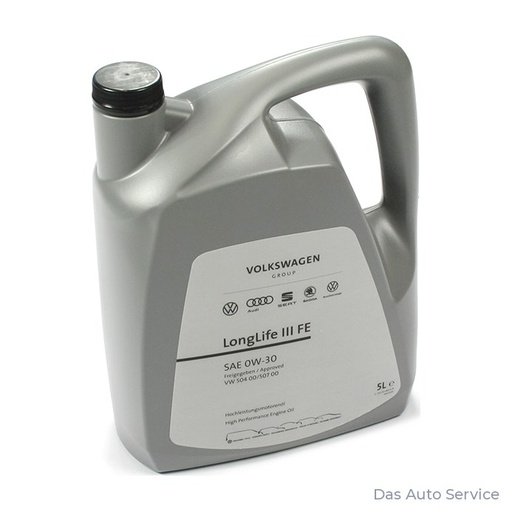
Genuine Longlife III FE 0W30 oil 5L
Genuine LongLife III engine oil for servicing your engine. Using the correct oil matters, but it doesn't replace changing it on time and checking its condition.
View in shop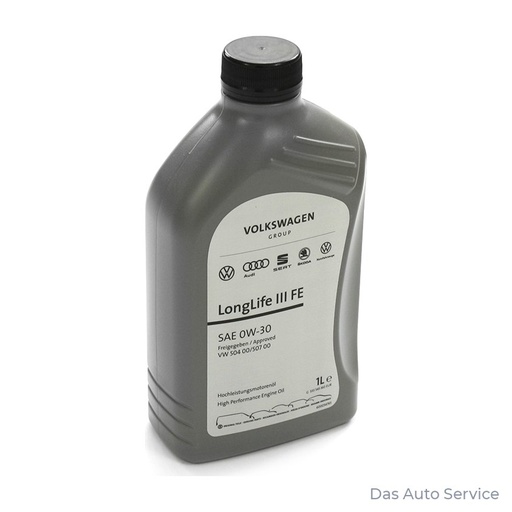
Genuine Longlife III FE 0W30 oil
Genuine LongLife III engine oil in a 1-litre bottle. Suitable for topping up when your engine requires this exact specification.
View in shopRead more
- Pre-purchase inspection
- 1.8 and 2.0 TSI/TFSI Oil Consumption Problems
- 1.4 TSI Timing Chain Problems: Rattle and Turbo Noise
- 3.0 TDI Timing Chain Replacement: Why Remove the Engine?
Frequently asked questions
Which VW engines should I avoid?
I'd be particularly careful with early 1.2 and 1.4 TSI timing chain engines, 1.8 and 2.0 TFSI engines with excessive oil consumption, and early 2.0 TDI 16-valve engines with pump injectors. What matters most is whether the known problem has been checked or fixed.
Is a 2.0 TFSI with high oil consumption worth buying?
If the pistons have been replaced and there's proof of the repair, I'd consider buying the car. But if it's still using too much oil and there's no clear service history, I'd be very cautious.
Is the 1.4 TSI timing chain engine risky?
Not every 1.4 TSI with a timing chain has problems, but without proof that the chain has been replaced, the risk is still there. I'd have the timing chain system checked before buying.