"Every time I brake coming off the motorway, the steering wheel shakes in my hands and the pedal pulses under my foot." I hear this almost every week at the workshop. And the owner is already convinced they know what's happened: "My brake discs have warped." You'll read the same thing in owners' groups, and someone will immediately suggest fitting thicker discs. But there's something important I want you to know. Under normal driving conditions, brake discs almost never warp. Vibration when braking usually comes down to three or four familiar causes, and only one is actually in the disc itself. I want to show you how to work out where the shaking is coming from, what we check at Das Auto Service, and why even brand-new discs can start juddering after just 5,000 km.
Vibration when braking: steering wheel, pedal or whole car?
Before you spend money on new brake discs, pay attention to exactly where you feel the vibration. That alone gives us half the diagnosis before we've even lifted the car.
- Your steering wheel shakes when you brake – we check the front axle first, including the discs, hubs and wheels.
- The brake pedal pulses, but the steering wheel stays steady – we check the rear discs too, especially if the car has large rear brakes.
- Your seat or the whole car vibrates, but only when braking – the problem is most often at the rear axle.
- The car vibrates above a certain speed, even without touching the brakes – we start with the tyres, wheel balancing and wheel bearings. Not the brakes.
That last point is particularly important. We regularly get cars booked in "for new brake discs", only to discover that a wheel is out of balance or a rim has been bent by a pothole. Pressing the brake pedal simply makes the vibration more noticeable. That's why we take the car for a test drive first and find out exactly when it shakes. Only then do we put it on the ramp.
Do brake discs really warp?
Brake discs are made of cast iron. Front ventilated discs are typically 22–30 mm thick. To warp one through heat during normal driving, you'd have to get it red-hot and then pour cold water over it. That doesn't happen in ordinary road driving. Usually, the real problem is that the disc isn't exactly the same thickness all the way round. One section is a few hundredths of a millimetre thinner. As the disc rotates, the pads grip it slightly harder in some places than others. That's what you feel as pulsing through the brake pedal.
And do you know how tiny that difference can be? Just 0.015–0.025 mm can be enough to feel. That's less than the thickness of a human hair. Imagine a vinyl record with a scratch that makes the needle jump on every revolution. Something similar happens between the brake pads and the disc. The difference is almost invisible, yet your steering wheel is already shaking in your hands.
Why do brake discs wear unevenly?
One of the main causes is run-out. Put simply, the disc doesn't rotate perfectly straight. It wobbles very slightly from side to side. Even 0.1 mm of run-out can be enough for one pad to touch the same part of the disc on every revolution, without you pressing the brake pedal at all. Over thousands of kilometres, that section wears down more than the rest. The disc thickness becomes uneven, and the judder begins. That's why new brake discs sometimes start vibrating after 3,000–5,000 km. They haven't warped. They had run-out from the moment they were fitted, and gradually wore unevenly.
But where does that run-out come from in the first place? Very often, it's the hub. The surface where the brake disc sits against the hub needs to be perfectly clean, bare metal. If there's rust, dust from the old pads or even a tiny shaving just 0.05 mm thick, run-out at the outer edge of the disc can exceed 0.1 mm. Manufacturers specify a limit of 0.1 mm, and on some VW models, the factory tolerance is even tighter at 0.06 mm. Can you imagine how little that is? Half a speck of rust, and you've already created a problem with your brand-new discs.
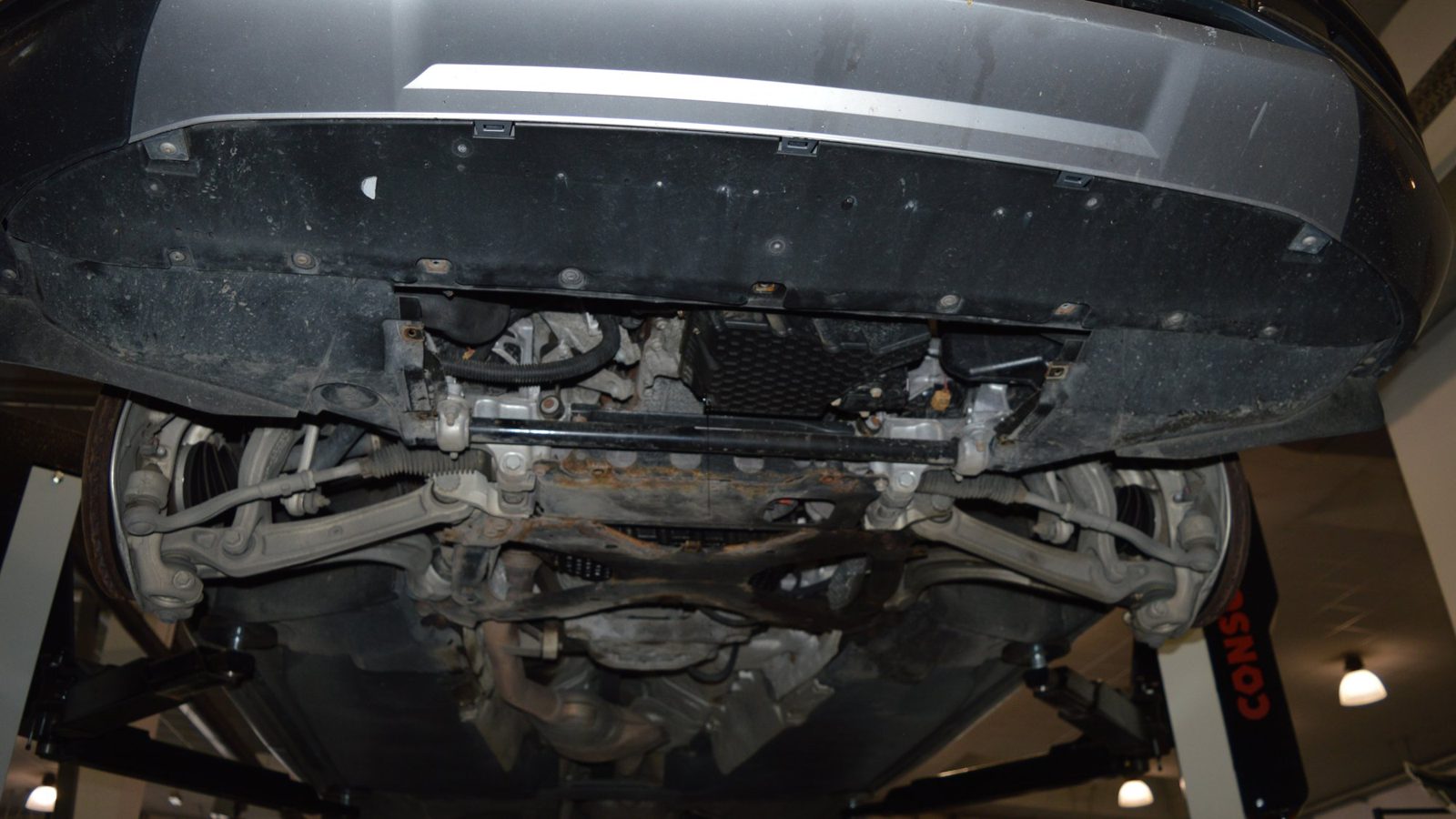
What if the problem is the wheel hub or bearing?
Sometimes the hub itself has run-out. It could be from hitting a pothole, incorrect fitting or a wheel bearing that's developed play. And in that case, you can replace the brake discs as many times as you like. A few thousand kilometres later, the vibration will be back. I've already written a separate article about wheel bearings and the problems they can cause. If you hear a humming noise that gets louder as your speed increases, pay attention to that symptom too.
How do brake pads leave deposits on the disc?
There's another possible cause: brake pad material deposited unevenly on the disc. Imagine you've been driving down a long mountain road or you've just braked hard from high speed. The discs and pads are extremely hot. You stop at a traffic light and keep your foot firmly on the brake pedal. The hot pad can then leave an imprint on the disc. The layer is incredibly thin, but it isn't even, and the next time you brake, you feel a vibration. Sometimes you can see dark patches on the disc too. The disc wasn't the original problem, but now it's been affected.
Could the brake caliper be causing it?
Absolutely. And it happens more often than you might think. If the caliper piston or slider pins are rusty and sticking, the pad doesn't release properly. It keeps rubbing against the disc even when you're not braking. The disc overheats, wears unevenly and eventually starts juddering. There are other warning signs too: one wheel is much hotter than the other after a drive, there's a burning smell, or the car pulls slightly to one side. New discs won't save you here. We need to fix the caliper first.
What if the problem comes from the wheel?
This is such a simple thing, yet it gets overlooked all the time. Someone has tightened the wheel bolts with an impact gun, guessing the torque instead of using a torque wrench. Or they've fitted the wheel onto a dirty hub. On most VW models, the wheel bolts are tightened in a cross pattern to 120 Nm. Overtighten them and you can distort the hub and disc. Then you're left wondering why your new brake discs are vibrating. The worst part is that you're the one paying for that mistake, not the workshop that made it. I've also covered this in my article How Were Your Winter Wheels Tightened?.
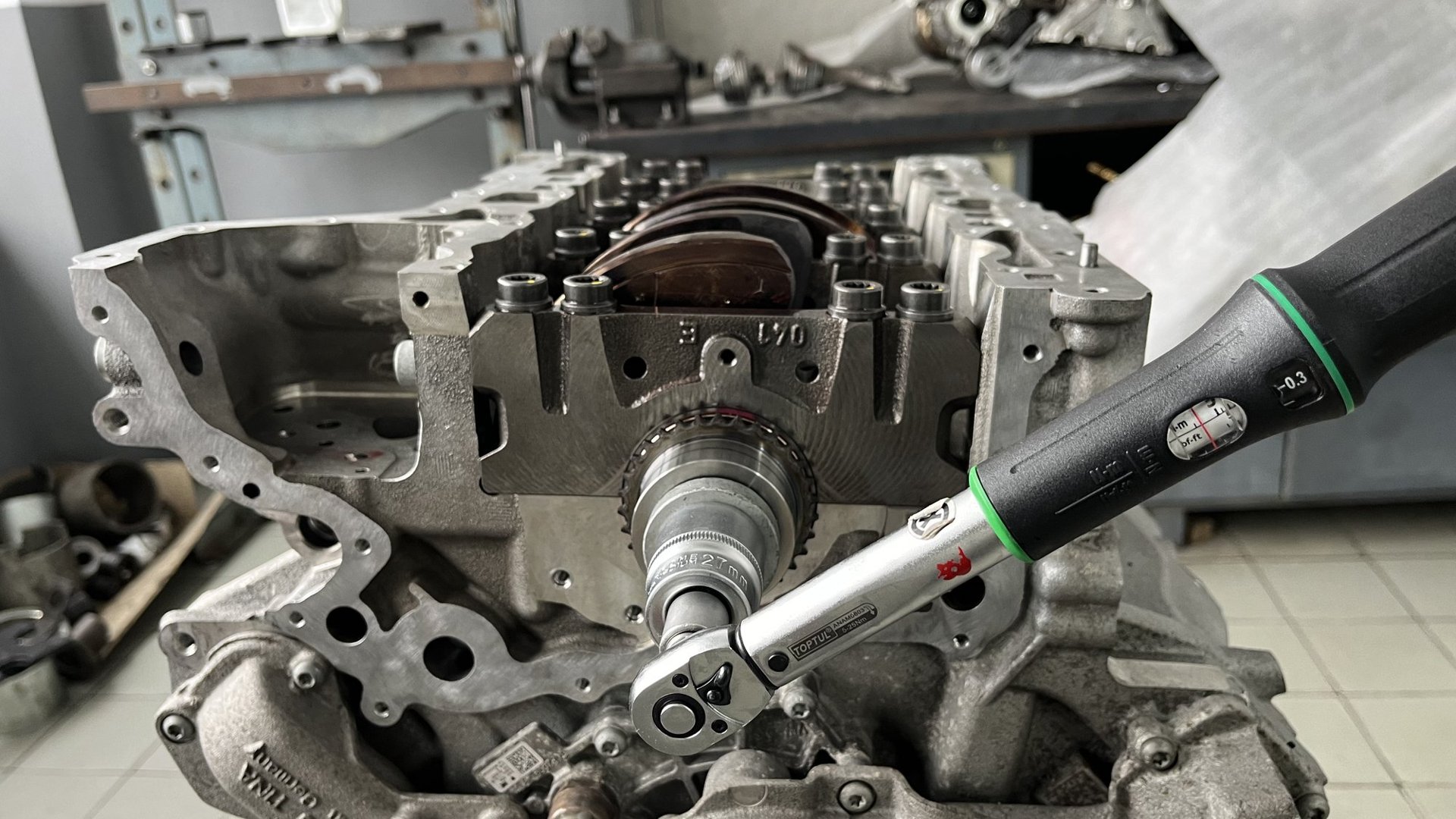
Why don't new brake discs always fix the vibration?
Because all too often, they're replaced without a proper diagnosis. Someone fits new discs and pads, but nobody cleans the hub, measures the run-out or checks whether the caliper is working properly. Another 5,000 km goes by, and your steering wheel starts shaking again. And you're paying again. That's the most expensive way to repair a car: replacing parts without knowing what's actually wrong. If someone immediately recommends new brake discs without measuring anything, ask them why.
There's another mistake people make. You decide that if the discs need replacing so often, there's no point buying good-quality ones. But an aftermarket disc with a rougher casting and greater run-out straight from the factory may start vibrating even sooner. A genuine disc has been measured and balanced. That's why at Das Auto Service we fit only genuine brake discs and pads. But here's the thing! Even the best disc in the world won't help if you fit it onto a dirty or distorted hub.
WARNING! If the brake pedal sinks towards the floor, the car pulls sharply to one side when braking, or the red brake warning light comes on, don't keep driving. This is no longer just about a vibrating steering wheel. It's about your safety.
How do we diagnose vibration when braking at the workshop?
- First, we take the car for a test drive. We want to feel whether it vibrates only when you brake or also when you're driving without touching the brake pedal.
- We put the car on the ramp and check for play in the wheel bearings and wheels. We inspect the brake calipers and pads.
- Using a dial gauge, we measure brake disc run-out with the disc still fitted to the car. We don't just remove it and check it on a workbench.
- If the run-out is excessive, we remove the disc, clean the hub back to bare metal and measure the hub itself to see whether it has run-out.
- We use a micrometer to measure disc thickness at several points around its circumference. That tells us whether the thickness is consistent all the way round.
- Only after those checks do we decide what actually needs doing: new brake discs, a hub or caliper repair, or simply cleaning everything and fitting it correctly.
When we fit new brake discs, we first clean the hub, remove the protective coating from the disc with brake cleaner, and clean and lubricate the caliper slider pins with ceramic paste. We tighten the wheel bolts using a torque wrench. But! Looking after your brakes doesn't end when you leave the workshop. During the first 250–300 km, the pads need to bed in evenly against the discs. So avoid heavy braking from high speeds. If you stamp on the brakes from 150 km/h on the very first day and then sit at a traffic light with your foot firmly on the pedal, you could create exactly the same problem yourself.
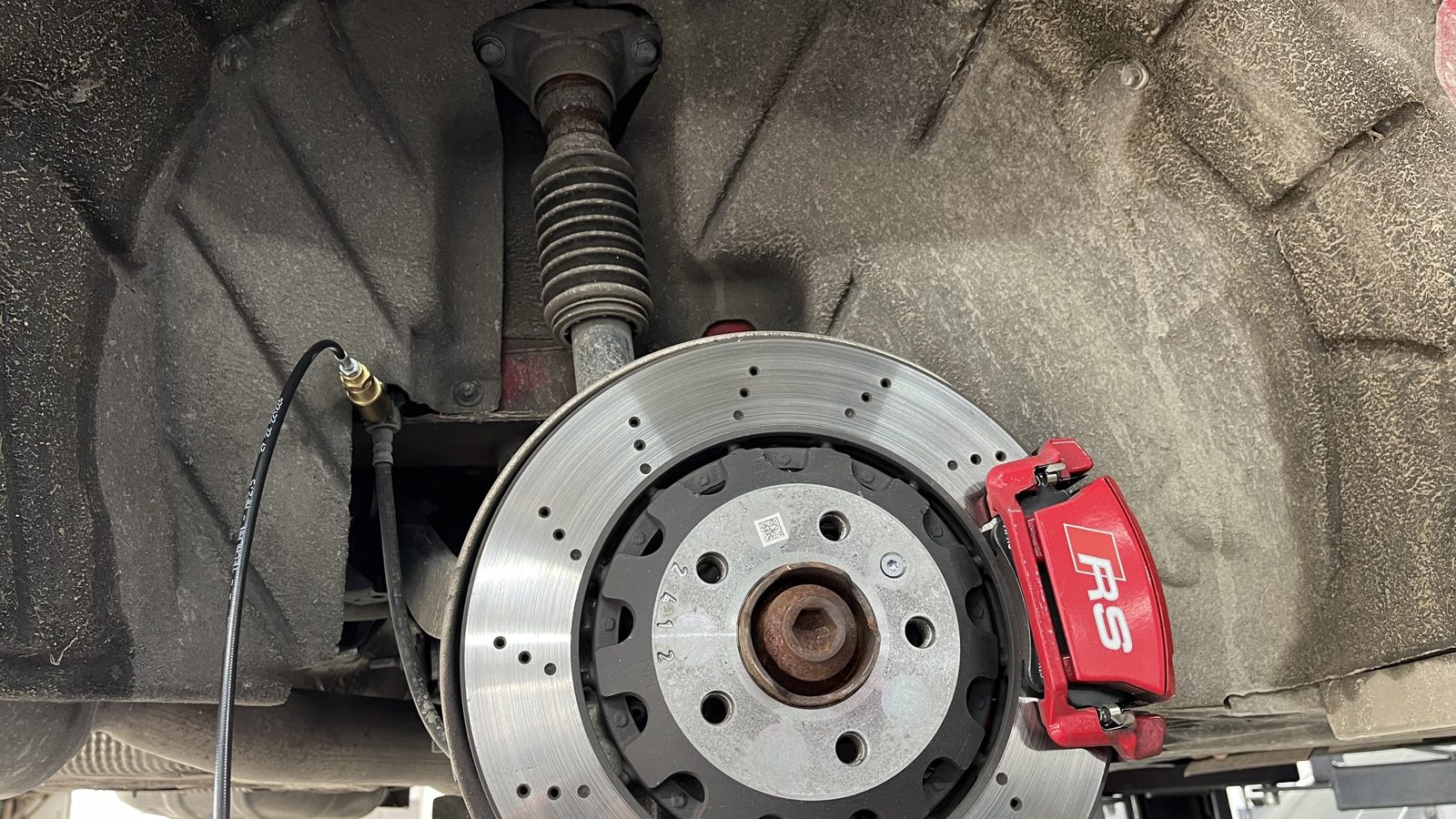
Advice from Kris Mladenov: Don't rush out and buy new brake discs. First, ask the workshop to measure the run-out and disc thickness. After the repair, ask whether they cleaned the hub. If the car vibrates even when you're not braking, start with the wheel balancing. And when you change your tyres every 6 months, take the opportunity to have the discs and calipers inspected. The wheels are already off anyway.
My recommendation, from Kris Mladenov: don't get used to vibration when braking, and don't accept that you need new discs every 10,000 km. The judder is a symptom. Someone may have missed something during the previous fitting, or the hub, bearing or caliper may now have a problem. But without measurements, we're only guessing. And when repairs are based on guesswork, you're the one who ends up with the bill. I'm telling you this because I don't want you paying twice. Measure first, replace parts second. You're welcome to visit us for diagnostics or routine servicing. As for brake fluid I've written a separate article about this as well.
I'm Kris Mladenov, and I genuinely enjoy writing these articles because I want to save you from unnecessary repairs and the mistakes I've seen over the years at the workshop. I hope you've found this useful! If you have, I'd really appreciate you sharing the article with friends or anyone else whose steering wheel shakes when they brake 🙂
The solution in our online shop
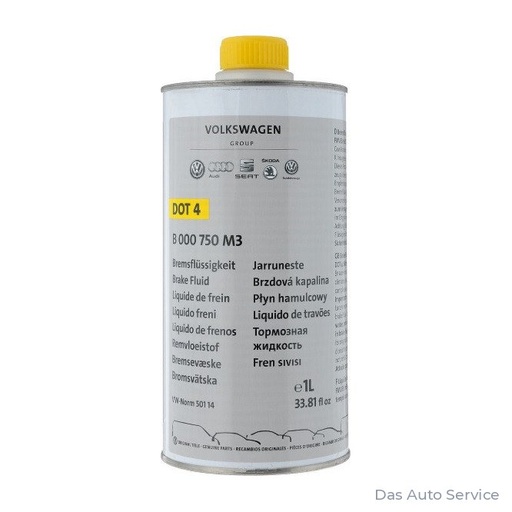
Genuine VAG DOT 4 brake fluid B000750M3 1 litre
Genuine DOT 4 brake fluid – we replace it every 2 years and after every job on the braking system.
View in our shop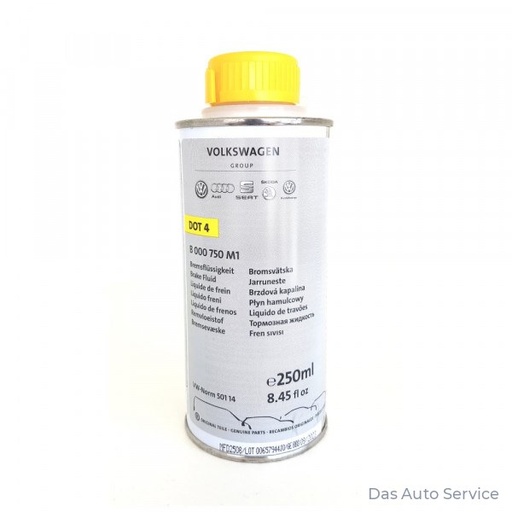
Genuine Audi/Volkswagen DOT 4 brake fluid B000750M1 250 ml
DOT 4 brake fluid in a smaller bottle – only top it up if your workshop has told you to.
View in our shop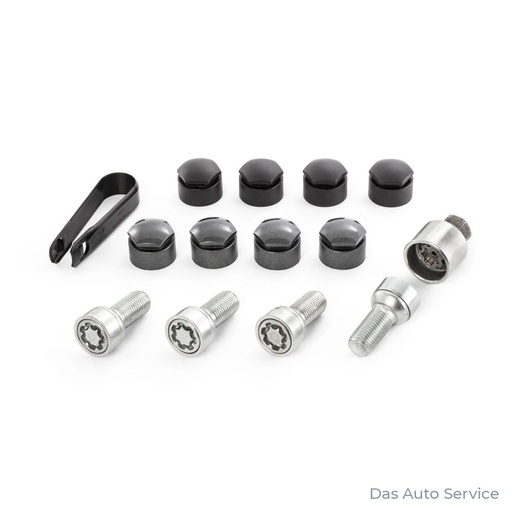
Genuine Audi locking wheel bolts M14 x 1.5 x 27
Genuine Audi locking wheel bolts – the correct size and proper tightening with a torque wrench keep the wheel securely fitted.
View in our shopRead more
- Diagnostics
- Routine servicing
- Audi RS brakes: bleeding and brake fluid
- Wheel bearing: a humming noise that gets louder with speed
- How Were Your Winter Wheels Tightened?
- Spring inspection after winter: suspension and brakes
- ESP or ABS warning light on: why it happens and when driving is dangerous
Frequently asked questions
Can a brake disc really warp?
Almost never under normal driving conditions. The vibration usually comes from uneven wear and variations in disc thickness, brake pad material deposited on the disc, or run-out in the wheel hub.
Why have my new brake discs started vibrating after 5,000 km?
Usually because there was already some run-out when they were fitted. The hub might not have been cleaned, the wheel bearing could have play, or the wheel bolts might have been overtightened. The disc then wears unevenly, and after a few thousand kilometres, the vibration comes back.
How can I tell whether the vibration is coming from the front or rear?
If the steering wheel shakes, we check the front axle first. If only the brake pedal pulses, or you feel the vibration through your seat, we check the rear axle too. And if the car vibrates even when you're not braking, we start with the wheel balancing.
Do I need to bed in new brake discs?
Yes, absolutely. For the first 250–300 km, avoid heavy braking from high speeds. Give the pads time to bed in evenly against the discs so they don't leave deposits in one spot.