Looking for a VW Arteon review because you've fallen for one of the best-looking VWs of recent years, but you're wondering whether that lovely design might come with some nasty repair bills? I get it, my friend. The VW Arteon (3H) was built from 2017 to 2024, with the Shooting Brake joining the range in 2020. Under the bonnet, you'll find 1.5 and 2.0 TSI petrol engines, 2.0 TDI diesels producing 150–240 hp, the plug-in hybrid eHybrid and the Arteon R. The good news is that underneath that beautiful bodywork, you're getting familiar Passat technology. But that doesn't mean you can buy the first one you see and forget about servicing it. Let me show you what I look for.
Who is the VW Arteon for, and will it suit you?
If you cover plenty of miles and want a spacious car that doesn't look like every other family car in the car park, the Arteon is worth a look. It's stylish, roomy and looks fantastic without you having to explain why you chose it. It's the sort of car that makes you happy both when you're driving it and when you turn around for one last look after parking. But there's something I always tell my friends: you buy a car because you love how it looks, but you have to live with what's underneath. And that's exactly what we're going to talk about.
What gearboxes and drive systems does the Arteon use?
Now we're getting to the interesting part. The Arteon uses familiar VW technology, which is good news, provided the previous owner has looked after it properly. Don't be frightened of an automatic gearbox or four-wheel drive. Be frightened of a car where nobody can tell you when it was last serviced.
- DSG – on the 2.0-litre versions, you'll find gearboxes with wet clutches. That simply means the clutches run in oil, and that oil needs changing regularly. These gearboxes can work beautifully, but they don't appreciate neglected servicing.
- 4MOTION – the four-wheel-drive system uses fifth-generation Haldex. This is the clutch that sends power to the rear wheels when needed. It needs regular servicing too, even though plenty of owners completely forget it's there.
What problems does our VW Arteon review highlight?
When an Arteon comes into our workshop, I don't just listen to the engine or see how well the car drives on a test run. I want to know what the diagnostics are telling us, whether the gearbox has been serviced properly and whether every system is doing its job. Because a car can look absolutely gorgeous and still be hiding a problem that hasn't triggered a dashboard warning light yet. Here's what I pay particular attention to.
AdBlue problems on the 2.0 TDI
On diesel models, I always check the AdBlue system carefully. If you see a dashboard warning telling you the engine won't start after a certain number of kilometres, don't assume it's just asking you to top up the AdBlue. There could be a fault in the system itself. I've explained what this warning means and how to diagnose it in my guide to AdBlue problems on the 2.0 TDI. Give it a read, especially if you're thinking about buying a diesel Arteon.
DSG – when the gearbox starts jerking
Owners often describe DSG problems by saying, "The gearbox feels jerky" or "Sometimes it gives a nasty kick." That's a good reason to investigate, but it doesn't automatically mean the gearbox needs rebuilding. A DSG has mechanical components and a mechatronic unit – basically the brain that controls the gear changes. We need to find out where the problem is coming from, rather than simply clearing the fault codes and hoping for the best. I've written a separate guide to servicing the DSG DQ381 and DQ500 .
Haldex – the forgotten four-wheel-drive oil
If your Arteon has 4MOTION, I always want to check its Haldex service history. Most people know they need to change their engine oil and gearbox oil, but they rarely think about the four-wheel-drive system. That needs fresh oil and proper care too. For fifth-generation Haldex, I recommend servicing it every 30,000 km, including the rear differential. I've explained everything in more detail in my Haldex servicing guide.
Software, infotainment and driver assistance systems
The Arteon has plenty of electronics, and you can't fix everything with a spanner. The infotainment and driver assistance systems sometimes need software updates, which can sort out many of their problems. That's why I never rush to blame a control module before checking the software and running proper diagnostics. What matters is that everything actually works, not just that it looks impressive on the big screen.
What should you check before buying a VW Arteon?
I'm going to be quite firm about this one, my friend. Don't buy an Arteon just because the paintwork looks lovely, the interior is spotless and the seller promises that everything has been serviced. I want to see the service history and inspect the mechanical side properly. Because once you've bought the car, any problems become your responsibility, not the seller's.
- Service history – check it with an authorised dealer. You need to know what work has actually been done, not just what the seller tells you.
- AdBlue, DPF and DSG – check the diesel emissions system, the diesel particulate filter and the gearbox. Proper diagnostics and a test drive should always go together.
- Driver assistance and infotainment – test absolutely everything. Just because there are no warning lights doesn't mean every system is working correctly.
If you'd like to understand how I approach this sort of inspection, have a look at our pre-purchase inspection service. The idea is simple: find out exactly what you're buying before you hand over your money.
How should you service your Arteon to make it last?
There's no great mystery here. Regular servicing makes far more sense than waiting for something to break. I don't recommend stretching servicing to the maximum LongLife intervals, because those intervals also take environmental requirements into account, rather than focusing purely on how long the engine will last. For cars driven in Bulgaria, here's what I recommend.
- Engine oil and all filters – every 10,000 km or once a year, whichever comes first. Change the oil filter, air filter, fuel filter and cabin filter together with the engine oil, regardless of which oil you use.
- DSG – change the gearbox oil every 60,000 km, always using genuine oil. After servicing, the gearbox must always undergo adaptation.
- Fifth-generation Haldex and rear differential – service both every 30,000 km. Don't skip them just because the four-wheel-drive system seems to be working perfectly.
IMPORTANT! An Arteon that has been on a lease may have been serviced only to the minimum requirements. Always check when the DSG oil was last changed. If there's no proof of servicing, don't mistake someone saying "everything's been done" for a proper service history.
What's my verdict on the VW Arteon?
Yes, I like the Arteon, and I think it's an excellent choice if you cover plenty of miles and want something more attractive than an ordinary Passat. The technology is familiar, there's plenty of room and the design still turns heads. But for me, the service history is what really matters. I'd much rather buy a well-maintained Arteon than a shiny example with a questionable past. Looking good is wonderful, my friend, but remember who's paying the repair bills. You are.
Tip from Kris Mladenov: When you're looking at an Arteon, test every single driver assistance system, not just the engine and gearbox. There's a lot of electronics in this car, and any fault could end up costing you money. Personally, I'd choose a car with a proven service history and properly working systems over one that simply looks prettier in the photos.
I hope you've found this article useful! If you have, I'd love you to share it with a friend who's thinking about buying an Arteon. I've always believed that when I know something useful, more people should know it too. That way, we can make smarter buying decisions, look after our cars properly and avoid repairs we never needed in the first place.
The solution in our shop

Genuine Longlife III FE 0W30 oil 5L
Genuine LongLife III engine oil is intended for engines that specify it. What matters is using the correct oil and never putting off the oil and filter change beyond 10,000 km or once a year, whichever comes first.
View in shop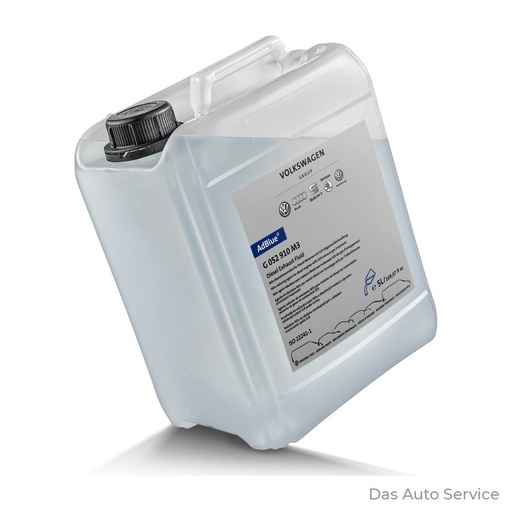
Genuine VAG AdBlue® fluid G052910M4 10l
Genuine AdBlue in a 10-litre container is intended for diesel models fitted with an SCR system. Use the correct fluid and never ignore the warnings on your dashboard.
View in shop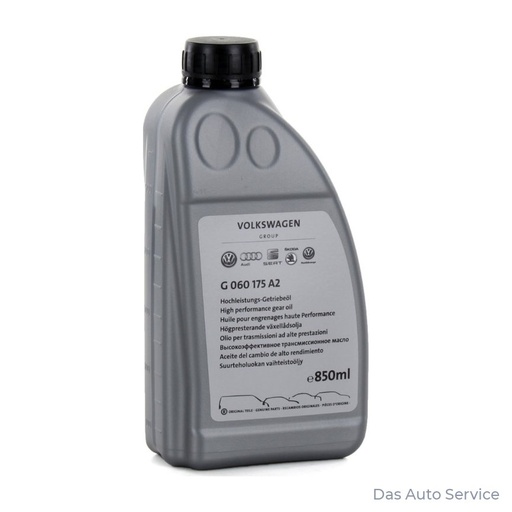
Genuine Haldex oil G060175A2 850ml
Genuine fifth-generation Haldex clutch oil is designed for servicing this system. Using the correct oil and changing it regularly are important for keeping your four-wheel drive working properly.
View in shopRead more
- Pre-purchase inspection
- Routine servicing
- AdBlue No Start in 1000 km: 2.0 TDI (EA288)
- DSG DQ381 and DQ500 Oil Change: When and Why?
- Haldex Service Intervals: Generations 1 to 5
Frequently asked questions
What are the most common VW Arteon problems?
When inspecting an Arteon, I pay particular attention to the AdBlue system and DPF on diesel models, how the DSG gearbox behaves, the Haldex service history and the driver assistance software. That doesn't mean every Arteon will have these problems, but these are the areas I'd definitely check.
Should I buy a VW Arteon or a VW Passat?
If you love good design and want a spacious car, the Arteon is a great choice. Underneath its beautiful bodywork, it shares familiar technology with the Passat. That's why I'd choose whichever of the two has the better service history.
Should I choose the VW Arteon 2.0 TDI 150 or 190 hp?
I wouldn't make that decision based on horsepower alone. I'd first check the service history, AdBlue system, DPF and DSG gearbox. The condition of the actual car you're buying matters much more than the difference in power.