Looking for a VW Passat B7 1.8 TSI review? Chances are you've found a petrol Passat you like, but you're wondering whether you're about to buy yourself a load of trouble. I get it. The 2010–2014 Passat B7 with the 160 hp 1.8 TSI is a big, comfortable car with plenty of pulling power and a quiet engine. It's lovely to drive. Take it easy or put your foot down, and it pulls nicely. But! Under the bonnet sits the second-generation EA888 engine, and there are two things I want you to know before you hand over your money: the pistons and the timing chain. Because a nice Passat can turn into an expensive Passat very quickly.
Who Is the Passat B7 1.8 TSI Right For?
If you don't cover many miles, want a big car and would rather avoid the usual diesel headaches, this engine makes sense. The petrol 1.8 TSI is quiet, pulls well and has more than enough power for everyday driving with its 160 hp. You don't have to buy a diesel just because it's a Passat. But there's a catch. With this engine, its actual condition matters far more than how good the car looks in the photos. I'd choose a well-maintained example with a clear service history over a shiny one that nobody knows anything about.
What Gearboxes Are Available?
- 6-speed manual gearbox – the one for you if you prefer changing gears yourself.
- 7-speed DSG DQ200 – an automatic gearbox that changes gears for you, but needs a careful check.
It's not just a question of whether you want an automatic. If you've found a Passat with DSG, make sure you test-drive it before buying. And I don't mean just driving straight down the road. Try pulling away, manoeuvring and crawling along in slow traffic. If the gearbox kicks, jolts or jerks, don't accept the excuse that "they all do that". They don't. First, we need to find out why it's doing it. Then you can decide whether that particular car is worth buying.
What Problems Does the VW Passat B7 1.8 TSI Have?
Why Does the Engine Burn Oil?
This is the first thing I check on a second-generation EA888. The pistons and piston rings in this engine are well known for causing excessive oil consumption. The piston rings are the metal rings around each piston that are supposed to keep the oil where it belongs. When they stop doing their job properly, the engine starts burning oil. That's when you hear the familiar line: "Oh, I just top it up now and then." Right, but how much are you actually topping up? That's the important question. I've explained the problem in detail here: excessive oil consumption in 1.8 and 2.0 TSI/TFSI engines.
Why Does the Timing Chain Rattle on Start-up?
The second thing to watch is the timing chain and its tensioner. The tensioner is the part that keeps the chain tight so the engine runs properly. If you hear that distinctive rattling noise when starting the engine from cold, don't brush it off as just a cold engine. That's exactly when you need to find out what's going on. The timing chain isn't something you want to take chances with. Have a read of my article about timing chain problems on 1.8 and 2.0 TFSI engines.
What About the Crankcase Ventilation, Water Pump and Ignition Coils?
There are a few other things you shouldn't overlook. If the engine makes a whistling or hissing noise, we check the crankcase ventilation system, which carries gases away from inside the engine. If it's losing coolant, we inspect the water pump and look for the source of the leak. If the engine shakes or misfires, we also check the ignition coils, which supply the spark to the spark plugs. That doesn't mean every one of these symptoms is necessarily caused by those parts. It means we need to find the actual cause instead of replacing parts and hoping for the best.
Why Does the DSG DQ200 Jerk and Jolt?
If you're going for an automatic, pay particular attention to the 7-speed DQ200. Owners often describe the problem as "the gearbox kicks", "it jerks" or "it jolts when pulling away". Those are symptoms, not a diagnosis. We need to inspect the gearbox and work out what's causing them. There's no point repairing something until you know exactly what's wrong. I've written a separate article about this gearbox: DSG DQ200 – why the gearbox jerks and jolts.
What Should I Check Before Buying?
This is where I really want you to be careful. The car might look fantastic, the engine might sound perfectly quiet when you view it, and the seller might tell you how well it's been looked after. Lovely. But I want proof. Because once you've bought the car, the seller won't be paying for the repairs.
- Check the oil consumption and service history. Ask how much oil the owner tops up and whether there are any documents showing work carried out on the pistons.
- Listen to the engine when starting it from cold. If it rattles, that's a reason to check the timing chain and tensioner, not turn up the music.
- If the car has DSG, give it a proper test drive. Watch for kicking, jolting and jerking, especially when pulling away.
The sensible thing to do is book a pre-purchase inspection. That way, you'll know what you're buying instead of relying on promises. I'm not saying every car with this engine is bad. I'm saying a good purchase starts with a proper inspection.
How Should I Service My Passat B7 1.8 TSI?
If you already own one of these Passats, the most important thing is not to cut corners on servicing. Especially with an engine we know can have oil consumption problems. I'm not a fan of long LongLife service intervals for cars driven in Bulgaria. The manufacturer's recommendations also take emissions and environmental requirements into account. My priority is keeping your engine healthy for as long as possible.
- Engine oil and all filters – oil, fuel, air and cabin – must be changed every 10,000 km or once a year, whichever comes first.
- DSG gearbox oil must be changed every 60,000 km using genuine oil. An adaptation must always be carried out after the service.
- The crankcase ventilation filter on the petrol engine must be changed every 60,000 km.
- Brake fluid must be changed every 2 years, and coolant every third heating season.
- Workshop inspection – every 6 months, so we can catch problems early.
WARNING! If someone tells you, "It burns a bit of oil, that's normal", don't just take their word for it. With this engine, you need to know exactly how much oil it's burning. Without measuring it and checking the engine, it's all just talk.
Is the Passat B7 1.8 TSI Worth Buying?
Yes, but only under certain conditions. If the pistons have been replaced with the updated version, or the oil consumption is normal, the timing chain has been checked and the car has a clear service history, this Passat can be a really enjoyable car to own. You get a big car, a quiet petrol engine and plenty of pulling power. But if there's no paperwork, the engine burns oil and the chain rattles on start-up, I wouldn't rush to buy it. There's a difference between a good car and a good deal. I want you to get both.
Tip from Kris Mladenov: Ask for paperwork showing what's been done to the pistons and timing chain before buying the car. If there's no proof of the work, allow for the cost of a possible repair when deciding whether it's worth buying. Don't rely on the seller's word alone. I'm telling you this because, if something goes wrong later, the money will be coming out of your pocket.
I hope you've found this article useful! If you have, I'd love you to share it with a friend who owns one of these Passats or is thinking about buying one. My mission is simple: when I know something, I want more people to know it too. Because the more you understand your car, the harder it is for someone to pull the wool over your eyes, and the less money you'll waste on unnecessary repairs.
The solution in our shop

Genuine Longlife III FE 0W30 oil 5L
Genuine LongLife III engine oil is an option for servicing the engine. Despite the LongLife name, I recommend changing it every 10,000 km or once a year.
View in shop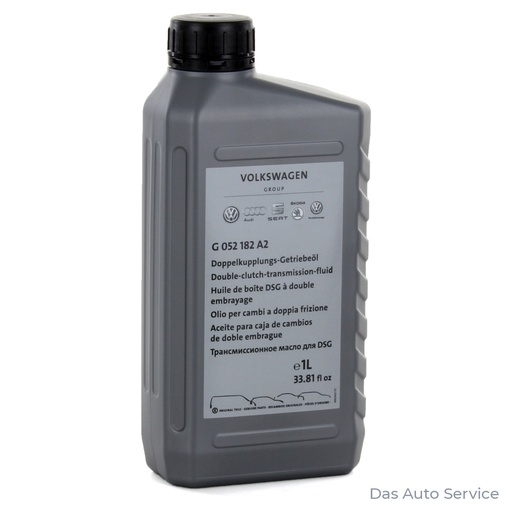
Genuine DSG gearbox oil G052182A2 1l
Genuine DSG oil is used to service the automatic gearbox. Make sure you use the correct oil for your particular gearbox, and don't skip the adaptation after servicing.
View in shopRead more
- Pre-purchase inspection
- Routine servicing
- 1.8 and 2.0 TSI/TFSI Oil Consumption Problems
- 1.8 and 2.0 TFSI Timing Chain Problems: Warning Signs
- DSG DQ200 Problems: Jerking and Gearbox Faults
Frequently asked questions
Does the Passat B7 1.8 TSI Burn Oil?
Yes, the second-generation EA888 is known for piston and piston ring problems that can cause excessive oil consumption. Check how much oil the engine actually uses and whether the pistons have been replaced.
What Are the Main Problems With the 1.8 TSI?
The biggest concerns are oil consumption and problems with the timing chain and tensioner. We also check the crankcase ventilation system, water pump and ignition coils.
Passat B7 1.8 TSI or 2.0 TDI?
If you don't cover many miles and want a petrol car without the usual diesel headaches, the 1.8 TSI makes sense. But I'd look at the car's condition and service history first, rather than choosing purely on engine type.