The seller hands you the service book. "It's been serviced by the book. Look, all the stamps are there." You flick through it, see the stamps and signatures, and think everything looks fine. But hang on! Do you actually know what you should be looking for? A proper VW service history check can tell you a lot about a car. You just need to know how to read the records.
What will you find in the service book?
- Vehicle details – VIN, engine and gearbox codes, and equipment.
- Service interval – fixed or flexible (LongLife).
- Service history – dates, mileage, work carried out and workshop stamps.
- Important records – timing belt replacement, gearbox oil changes, brake fluid changes and warranty repairs.
What should you look for when checking the service book?
Do the dates and mileage add up?
The mileage should increase logically from one service to the next. If you spot a huge jump or several years without a single entry, start asking questions. Compare the mileage at the last recorded service with what's showing on the dashboard, too. Stamps alone aren't enough.
What work has actually been done on the car?
A stamp that simply says "Service" tells me next to nothing. I want to know exactly what's been changed – engine oil and filters, the timing belt, DSG or automatic gearbox oil, brake fluid and coolant. If a car has covered 180,000 km and there's no record of the timing belt being replaced, as far as I'm concerned, it hasn't been done. I don't work on assumptions.
What engine oil has been used?
You can often find the required oil specification in the service records or vehicle details. And it matters. If the car is on LongLife servicing, I recommend switching to a fixed interval – change the engine oil and oil filter every 10,000 km or once a year, whichever comes first, regardless of the oil used.
What if the service history is digital?
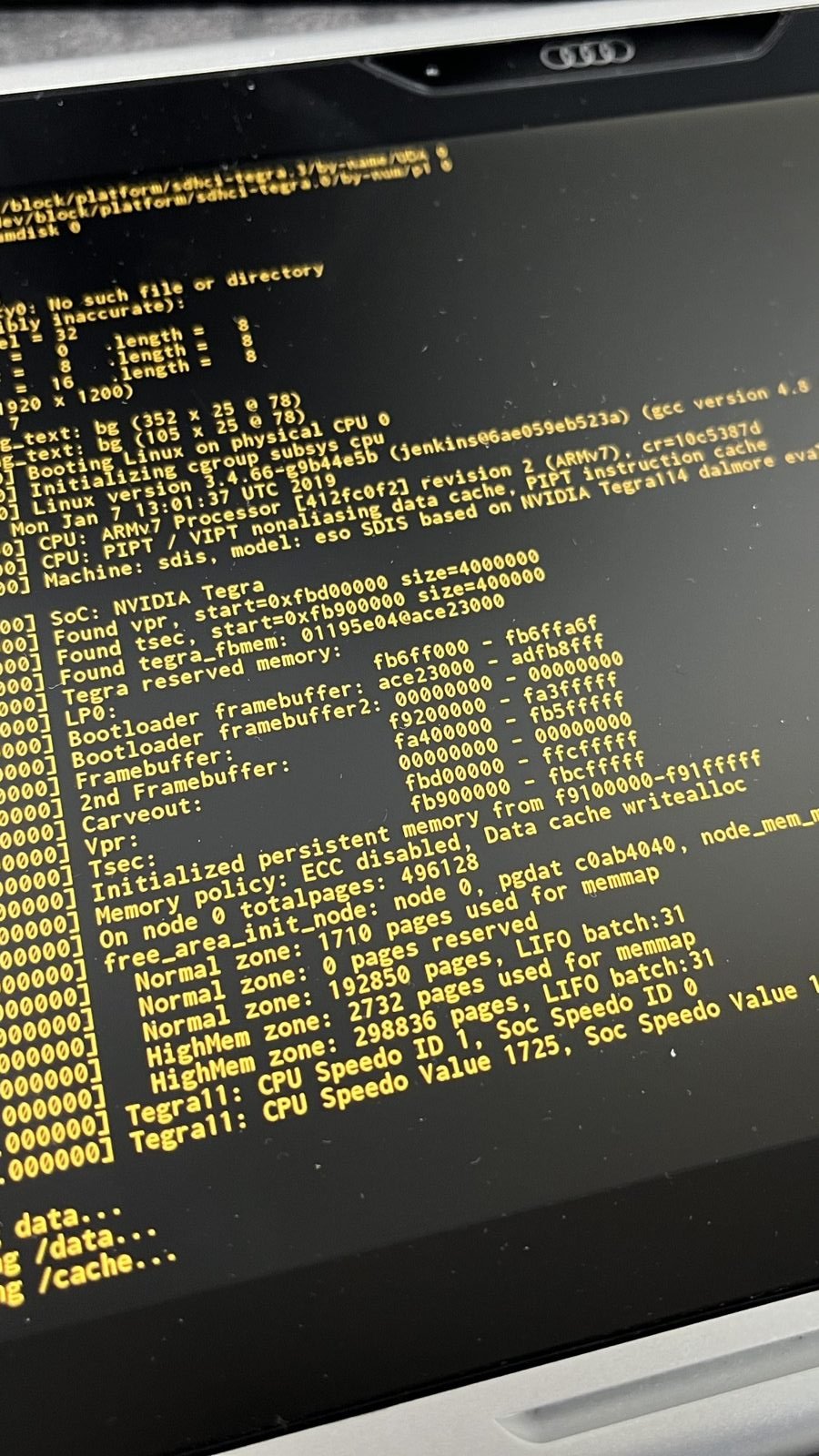
On newer cars from the VW Group, services are often recorded digitally. You open the paper service book and find it completely empty. Don't panic. That doesn't necessarily mean the car hasn't been serviced. The records may be stored in the manufacturer's system instead. If anything doesn't look right, compare the digital records with the invoices and the information from a diagnostic scan.
Don't rely on stamps alone. A stamp without an invoice or a sensible mileage history proves nothing. Ask to see the service invoices. I'm telling you this because if you miss something important and end up facing an expensive repair, it'll be coming out of your pocket, not the workshop's.
What else do we check during a VW service history check?
- Service invoices – these show exactly which parts and fluids were used.
- Diagnostic scan – the control modules can hold information that doesn't simply disappear because someone has reset the service interval.
- The car's condition – the amount of wear should match the mileage displayed on the dashboard.
A tip from Kris Mladenov: Take a photo of every page in your service book and keep all your invoices together. When you eventually decide to sell the car, having that history will give the buyer more confidence and could help you get a better price.
If you've found a car you like but aren't sure what its service book is telling you, bring both the car and the book to Das Auto Service for a pre-purchase inspection. We'll go through the history together, I'll explain what's been done, and we'll work out what's missing. Much better to find out now than after you've bought it.
Read more
- Pre-purchase inspection
- Routine servicing at Das Auto Service
- How can I check the genuine service history of a VW Group car?
- Service interval: how to reset it and why you shouldn't do it yourself
- Buying a car from Germany: what should I check before paying?
Frequently asked questions
What should I do if the service book is missing?
Gather any service invoices you have and get the car fully checked with a diagnostic scan. At least you'll know what condition it's in and where you're starting from.
Do VW and Audi have digital service histories?
Yes, newer models do. Service records are entered directly into the manufacturer's system.
How can I tell if my car is on LongLife servicing?
Check the service book or have the car checked with a diagnostic tool. If the service interval is around 30,000 km, it's most likely on LongLife.