You buy a petrol Tiguan with 4x4, love how quiet it is and how nicely it pulls, and then one day the engine starts rattling or burning oil. Sound familiar? The VW Tiguan 2.0 TSI with the EA888 engine is a lovely car to drive, but there's something I want you to know before you spend your money. The first-generation 5N (2007–2016) and second-generation AD1 (from 2016) have different weak points, even though both come with engines producing between 170 and 220 hp, and most have 4MOTION. When we're talking about VW Tiguan 2.0 TSI problems, the most important thing is knowing which generation you're looking at and how it's been maintained. Let me show you what we check at the workshop and where I wouldn't take any chances.
Is the petrol Tiguan 2.0 TSI right for me?
If you're looking for a family car, don't cover huge distances and want a petrol engine with 4x4, the Tiguan 2.0 TSI is definitely worth considering. It's quiet, pulls nicely and doesn't leave you wondering whether you've got enough power. Especially if you prefer petrol to diesel. But there's something far more important than the horsepower figure in the advert. It's how the previous owner looked after the engine, gearbox and 4MOTION system.
People often look at nothing but the mileage and how tidy the car looks. I'd rather see what's been serviced and when. Because a well-maintained car can be a pleasure to own, while a neglected one will start demanding attention at the worst possible moment. I'm not trying to frighten you, my friend. I just want you to know what you're buying.
Which automatic gearbox and 4x4 system does the Tiguan have?
This is where the two generations differ, and we shouldn't treat them as though they're the same. The automatic gearbox and 4MOTION system need looking after too, even though most people only think about engine oil. And when someone tells me, "The gearbox has started jerking," my first question is when it was last serviced. Here's what you'll find.
- Tiguan 1 – Tiptronic automatic gearbox, with later versions also offering DSG with wet clutches. That means the DSG clutches run in oil.
- Tiguan 2 – DSG with wet clutches. Using the correct oil and servicing the gearbox properly is particularly important here.
- 4MOTION – four-wheel drive using a Haldex coupling. Tiguan 1 has the fourth-generation system, while Tiguan 2 uses the fifth generation.
Haldex is the system that brings the rear wheels into action when needed. And this is exactly where many owners forget about servicing, because the car still drives normally and there are no warning lights on the dashboard. But just because you can't feel a problem doesn't mean the oil inside is in good condition. That's why we check the four-wheel-drive system at our workshop, not just the engine.
What VW Tiguan 2.0 TSI problems do we see at the workshop?
Tiguan 1 – timing chain and oil consumption
On the first generation, the two things I pay most attention to are the timing chain and oil consumption. If the engine rattles on a cold start, I don't want to hear, "They all do that." I want to find out where the noise is coming from. I've written a separate article about timing chain problems on the 1.8 and 2.0 TFSI, explaining why you shouldn't ignore this symptom.
The other big question is whether the engine burns oil. You'll often read in owners' groups that it's normal for these engines to need regular top-ups. I don't accept that as a diagnosis. If the oil keeps disappearing between changes, we need to find out why, not just keep an eye on the level. Have a read of my article about excessive oil consumption on the 1.8 and 2.0 TSI/TFSItoo.
Tiguan 2 – water pump and thermostat
The second generation is a different story. Here, I pay particular attention to the water pump and thermostat because coolant leaks can develop around them. The thermostat controls the engine temperature, while the water pump circulates the coolant. If you notice the coolant level dropping, don't just keep topping it up. I've explained water pump and thermostat leaks on the EA888 Gen3too.
Haldex – the forgotten 4MOTION service
I check the Haldex on both generations because plenty of owners don't even realise this part of the car has its own oil. Tiguan 1 uses the fourth-generation system, while Tiguan 2 has the fifth generation. That difference matters when it comes to service intervals. If you'd like to understand how it works, have a look at my guide to Haldex generations 1 to 5too.
What should I check before buying a Tiguan 2.0 TSI?
If you and I were standing next to the car, trying to decide whether it's worth buying, I wouldn't start with the optional extras. First, I'd want to know whether the engine is healthy and whether 4MOTION actually works. There are three things I'd always check. Please don't skip them just because the car looks immaculate.
- Cold start – on Tiguan 1, I listen carefully for timing chain rattle. I want to hear the engine before it's warmed up.
- Oil consumption – I check the service history and ask how much oil has been topped up between changes. "They all burn oil" isn't a good enough answer for me.
- 4MOTION – I check whether the rear axle actually engages. A 4MOTION badge on the boot doesn't prove the system is working.
If you can't carry out these checks yourself, it's worth making time for a pre-purchase inspection. That way, you'll know what you're buying instead of relying on someone's promises. Especially if the car's history isn't completely clear. I'd much rather find a problem before you buy the car than afterwards.
How should I service my Tiguan 2.0 TSI?
There's nothing complicated about this, but you do need to be disciplined. Don't wait until the engine starts rattling, the gearbox starts jerking or the temperature begins climbing before you think about visiting a workshop. These are the intervals I recommend at Das Auto Service because I want your car to stay healthy, not just survive until its next service. And no, LongLife doesn't change my recommendation for cars driven in Bulgaria.
- Engine oil and all filters – oil, fuel, air and cabin – every 10,000 km or once a year, whichever comes first, regardless of which engine oil you use.
- DSG – change the oil every 60,000 km, always using genuine oil. We also carry out a gearbox adaptation after every service.
- Tiptronic – as prescribed by the manufacturer and, at our workshop, based on inspection. We also carry out a gearbox adaptation after servicing.
- Haldex on Tiguan 1 – change both the Haldex coupling oil and rear differential oil every 60,000 km.
- Haldex on Tiguan 2 – change both the Haldex coupling oil and rear differential oil every 30,000 km.
- Crankcase ventilation filter – every 60,000 km.
- Brake fluid – every 2 years. Coolant – every third heating season.
- Air conditioning – every spring, check the system and replace the receiver-drier and system oil that protects the compressor. It's not just about topping up the refrigerant.
- Workshop inspection – every 6 months, so we can catch problems early.
IMPORTANT! If your Tiguan 1 2.0 TSI is burning a lot of oil, don't try to solve the problem by simply topping it up. This engine needs a proper diagnosis so we can find out why it's burning oil.
Which would I choose – Tiguan 1 or Tiguan 2?
If you're asking which one I'd buy for myself, my answer is Tiguan 2. To me, it's the less worrying choice, provided we've checked the water pump, thermostat, gearbox and 4MOTION system. Tiguan 1 can still be a good buy, but only if there's a clear history of the timing chain and oil consumption. I wouldn't risk buying a car when nobody can tell me what's been done to it. Because once you've bought it, you're the one paying for the repairs.
Tip from Kris Mladenov: When you're looking at a Tiguan with 4MOTION, ask when the Haldex oil was last changed. Plenty of owners don't even know this system needs its own separate service. If there's no service history, get it checked before you rely on the four-wheel drive.
I hope this article has helped you! If it has, I'd really appreciate you sharing it with a friend who owns or is thinking of buying a petrol Tiguan. My mission is simple – when I know something useful, I want more people to know it too. Because one check at the right time can save you a lot of trouble and a lot of money out of your own pocket.
The solution in our shop
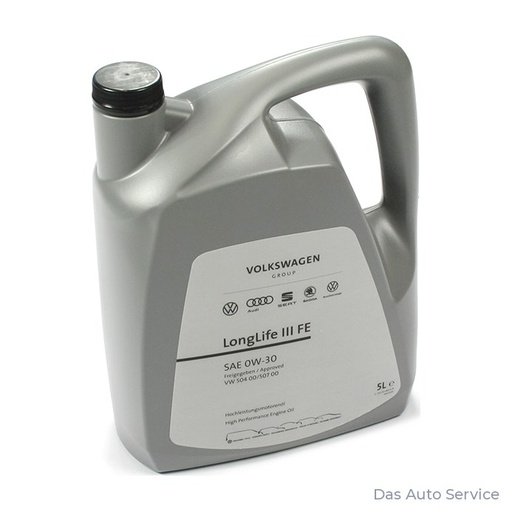
Genuine Longlife III FE 0W30 oil 5L
Genuine LongLife III oil is an option for servicing, provided it meets the requirements of your particular engine. Despite the LongLife name, I recommend changing it every 10,000 km or once a year.
View in shop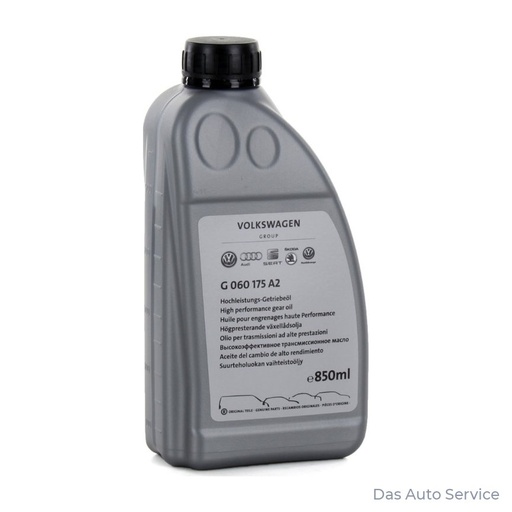
Genuine Haldex oil G060175A2 850ml
Genuine fifth-generation Haldex coupling oil is for Tiguan 2. Using the correct oil is important for the 4MOTION system to work properly.
View in shopRead more
- Pre-purchase inspection
- Routine servicing
- 1.8 and 2.0 TFSI Timing Chain Problems: Warning Signs
- 1.8 and 2.0 TSI/TFSI Oil Consumption Problems
- EA888 Gen3 Water Pump Leak: Causes and Fix
- Haldex Service Intervals: Generations 1 to 5
Frequently asked questions
What are the main problems with the Tiguan 2.0 TSI?
On Tiguan 1, the timing chain and oil consumption deserve the most attention. On Tiguan 2, I look for water pump and thermostat leaks, and I check the 4MOTION system on both generations.
Should I choose the Tiguan 2.0 TSI or 2.0 TDI?
If you don't cover huge distances and want a quiet petrol engine with 4x4, the 2.0 TSI is a good option. What matters more is that the particular car you're buying has been properly checked and maintained.
Does the Tiguan 2.0 TSI burn oil?
Excessive oil consumption is a known problem on the first generation. Don't accept constant oil top-ups as normal without finding out what's causing it.
When should I change the Haldex oil on my Tiguan?
On Tiguan 1 with fourth-generation Haldex, every 60,000 km. On Tiguan 2 with fifth-generation Haldex, every 30,000 km. Both the Haldex coupling oil and rear differential oil need changing.