Your diesel engine stalls while driving, as you pull up at traffic lights or, even worse, when you're travelling at high speed. Suddenly the steering feels heavy, the brakes need more effort, and you're wondering what's going on. I hear about this regularly at the workshop, and there's something important I want you to understand: a diesel engine doesn't just cut out for no reason. There's always a cause. Sometimes it's a sensor, sometimes it's a fuel supply problem, but the result is the same. Your engine stops working just when you need it. I'll explain what can cause this and how we track down the fault without replacing parts blindly.
How can I tell why my diesel engine stalls while driving?
The first thing I want to know is exactly when the engine cuts out. There's a big difference between a car stalling as you pull up at traffic lights and one that stalls when you press the accelerator. Even more important is whether it only happens when the engine is warm. These details might seem small, but they're where a proper diagnosis begins.
- It stalls when you stop at traffic lights. You're driving normally, you slow down, and just before you come to a stop, the engine cuts out. Sometimes it starts again afterwards as if nothing happened.
- It stalls when hot and won't start again until it cools down. This is a particularly important symptom. The car runs normally, warms up, stalls and then refuses to start. You wait for it to cool down, and suddenly everything seems fine again.
- It stalls during acceleration. You press the accelerator, the engine starts jerking as though something is missing, and eventually cuts out. It may have been spluttering and running unevenly beforehand.
From the driver's seat, all three situations look the same: the engine stops. But the causes can be completely different. That's why I don't accept "it's probably the fuel" as an explanation until we've checked what's actually happening.
What are the most common causes of a diesel engine stalling?
Crankshaft position sensor
This is one of the first things I suspect when a diesel engine stalls once it's warmed up. The crankshaft position sensor monitors how the crankshaft is turning and sends that information to the engine control unit. When it stops sending the correct signal, the control unit loses the information it needs to keep the engine running. And the engine cuts out. It's that simple.
What's typical about this fault is that it may only appear when the engine is hot. You leave the car to cool down and it starts again, which often makes the owner think the problem has gone away. It hasn't. If this sounds familiar, read my article about TDI starting problems when the engine is hot.
Fuel supply problems
A diesel engine needs a steady, properly controlled supply of fuel. If the fuel filter is blocked, air is getting into the system or one of the fuel pumps isn't working properly, the engine can start jerking and eventually stall. Especially when you ask for more power. You press the accelerator, but the engine isn't getting enough fuel.
We check several things here: the fuel filter, the pump in the fuel tank and the high-pressure fuel pump. We also check whether air is getting into the fuel system. We don't start by replacing the most expensive part just because someone has decided it must be faulty. First, we need to find out exactly where the fuel supply is being interrupted.
Injectors and wiring on PD engines
On older diesel engines with the pump-injector system, also known as PD, there's another area I always check: the injector wiring inside the cylinder head. If there's a problem with that wiring, the engine can start running badly and may even stall. Of course, the injectors themselves could also be faulty. But those are two different problems, and we need to tell them apart.
With these engines, it's especially important to understand how they're built rather than simply reading fault codes and ordering parts. I've explained their weak points in detail in my article about the 1.9 and 2.0 TDI PD engines.
Air and pressure sensors
The engine control unit constantly receives information about airflow and pressure. It uses these signals to decide how to control the engine. If a sensor starts sending incorrect information, the car may go into limp mode, lose power and, in certain situations, even stall. But! Just because there's a stored fault code for a particular sensor doesn't automatically mean we need to replace it.
This is where you see the difference between reading fault codes and carrying out a proper diagnosis. One tells you what the engine control unit has noticed. The other needs to establish why it happened. And those aren't always the same thing.
How do we diagnose a diesel engine that keeps stalling?
At Das Auto Service, we start with the symptoms and then move on to measurements. I don't want to guess, because every unnecessary part replacement means wasted time for you. There are several basic checks that help us narrow down the cause.
- We read the stored fault codes in the engine control unit. Even if the check engine warning light isn't on and the glow plug warning light isn't flashing, there may still be useful information stored about the problem.
- We check the live data with the engine warmed up. These are the readings the control unit receives from the sensors. If the car only stalls when it's hot, we need to test it under exactly those conditions.
- We check the fuel system. We inspect the filter, measure the fuel pressure and check whether air is getting into the system. This tells us whether the engine is receiving the fuel it needs.
The most important thing is to find the cause, not just make the symptom disappear temporarily. If the car only stalls occasionally, diagnosing it can be more difficult, but that's no excuse for replacing parts based on guesswork. We need the right measurements and accurate information about exactly when the problem occurs.
WARNING! A car that stalls while driving is dangerous. When the engine stops, power assistance for the steering and brakes may be reduced or lost, making the car harder to control. Don't drive a car like this on the motorway, and don't put off getting it diagnosed. The cause needs to be identified before you carry on using the car normally.
What if the car loses power before it stalls?
If your diesel starts losing power before it cuts out, pay attention to that symptom too. The loss of power could be caused by incorrect sensor readings or a fuel supply problem. But don't rush to blame the turbo just because the car feels sluggish. You can read more about those symptoms in my article about the 2.0 TDI turbo.
Tip from Kris Mladenov: Make a note of three things: was the engine hot or cold, did it stall while braking or accelerating, and did it start again straight away? Those answers are far more useful than guessing which part has failed. The more accurately you describe the problem, the quicker we can get to the cause.
I hope you've found this article useful! If you have, I'd appreciate it if you shared it with someone who drives a diesel. I've always believed that if I know something useful, more people should know it too. That way, owners understand their cars better and don't end up paying for repairs based on guesswork.
The solution in our shop
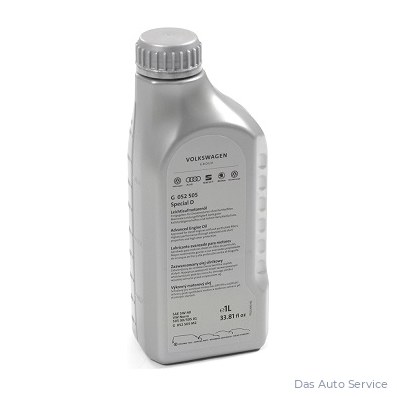
Genuine SpecialD 5W40 Volkswagen diesel oil 1L
SpecialD 5W40 engine oil is designed for TDI engines with the PD pump-injector system. Using the correct oil is important when servicing these engines, but it won't fix a stalling problem caused by a sensor or the fuel system.
View in shop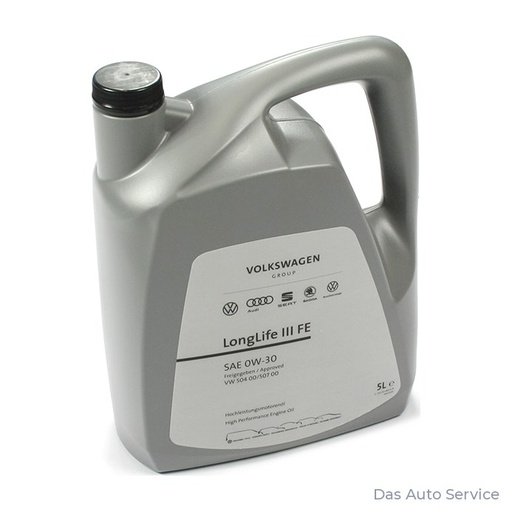
Genuine Longlife III FE 0W30 oil 5L
LongLife III engine oil is suitable for common rail TDI engines that require it. Regular servicing is important, but when your diesel engine stalls while driving, the first thing we need to do is find the actual cause.
View in shopRead more
- Diagnostics
- 1.9 TDI PD Common Problems and Weak Points
- 2.0 TDI Turbo Problems: Whistling, Smoke and Power Loss
Frequently asked questions
Why does my diesel engine stall while driving?
Possible causes include a faulty crankshaft position sensor, a fuel supply problem, faulty injectors or problems with the air and pressure sensors. The exact cause needs to be established through diagnostic testing and measurements.
Can a blocked fuel filter cause my car to stall?
Yes. If the fuel filter is blocked and doesn't allow enough fuel through, the engine may start jerking and can even stall, especially during acceleration.
Is it dangerous to drive a car that keeps stalling?
Yes, very. When the engine cuts out, the steering can become heavy and the brakes may require more effort. Don't carry on driving until the cause has been identified.
Why does my diesel engine only stall when it's hot?
One possible cause is a crankshaft position sensor that stops sending a signal when it gets hot. If the car starts again after cooling down, that's an important clue when diagnosing the fault.