Do you know which part of your car you should never try to save money on, yet it's one of the first places people look for a cheaper option? The brakes! I hear it all the time at the workshop: "Kris, why should I pay more for genuine brake pads and discs when there are cheaper ones that fit my car?" I completely understand. At first glance, they all look the same, fit in the same place and promise to stop your car. But there's something important I want to explain, because it affects not just how well your car stops, but how confident you feel behind the wheel.
What's the difference between genuine, OEM and aftermarket brakes?
Imagine I've put three sets of brake pads in front of you, all made for the same car. All three fit. All three can be installed. But that doesn't mean they'll stop your car in the same way. Genuine brake pads and discs are the parts the car was certified with. They're the brakes the car was tested with. And that's where the difference starts.
OEM means the part comes from the same manufacturer that supplies the genuine part, but it's sold in a different box. That doesn't automatically mean the materials and performance are exactly the same, though. An aftermarket part is made to fit your car, but it may use different materials and manufacturing tolerances. In other words, just because a brake pad fits inside the caliper doesn't mean it'll behave the same way when you brake. If you'd like to understand this better, have a read of my article about genuine, OEM and aftermarket parts.
What makes brake pads and discs right for your car?
A lot of people look at a brake pad and think that if it's the right size, everything's fine. But brakes aren't just two pieces of metal rubbing against each other. The brake pad material, the quality of the disc, the weight of your car and the way you drive all matter. If any one of those things isn't right, you'll notice. Sometimes it's a noise. Sometimes it's a vibration. And the worst feeling is when your car doesn't stop the way you expect it to.
- Brake pad material. This affects how well the brakes work, how much brake dust ends up on your wheels and whether the pads squeal or squeak. Two pads that look identical and are exactly the same size can behave very differently, especially when they get hot.
- Brake disc quality. If the disc isn't good enough, you might feel vibrations when braking. You can feel them through the steering wheel or as a shudder through the car, and you'll start wondering what's gone wrong.
- Brake wear sensors and the electronic parking brake. The pads need to be compatible with the equipment fitted to your particular car. Getting the size right isn't enough.
- Weight, power and driving style. A heavy, powerful car puts very different demands on its brakes compared with a lighter car driven gently. That's why I never choose brake parts just because they physically fit.
Should I replace the brake discs and pads together?
This is one of the questions I get asked most often. And the answer is that brake discs and pads are very often replaced together, but that doesn't mean you need to throw away a perfectly good disc every time. What matters is its condition and whether it'll work properly with the new pads. I don't want you spending money on parts you don't need. But I also don't want us fitting lovely new pads onto a disc that's already past its best. I've explained this in more detail in my article about VAG brakes: when to replace discs and pads together.
What should be checked when replacing your brakes?
Changing brake pads and discs looks like a simple job. Take the old ones off, fit the new ones and you're done. But I always insist on checking the parts around them too. Otherwise, you could end up with brand-new brakes that don't work as they should. Here's what we check.
- We replace the pads and discs on both sides of the same axle at the same time. We don't do one side today and leave the other until someone has time. Your brakes need to work evenly.
- We clean and lubricate the brake caliper guide pins. These allow the pads to move properly. If they aren't moving freely, even brand-new parts can give you trouble.
- We check the brake fluid. It needs changing every 2 years, whether you drive your car every day or it spends most of its time in the garage. Brake fluid ages, and it's not just about mileage.
- If your car has an electronic parking brake, we use service mode. This allows the brakes to be worked on properly. It's not a step you should skip.
WARNING! A cheap brake pad might stop your car perfectly well when it's cold, then start losing braking power as it heats up. That's called brake fade. The worst part is that you might only discover the difference the first time you need to make an emergency stop. And believe me, that's the last moment you want to be experimenting with your brakes.
Which brake pads and discs would I choose for my own car?
If you ask me what I'd fit to my own car, my answer is very simple. Genuine brake pads and discs. Yes, they cost a little more, but you're getting the braking system your car was tested and certified with. For me, that peace of mind is worth it. I'm not saying every aftermarket option is bad. I'm saying that when it comes to brakes, I'd rather know exactly what I'm getting than rely on promises printed on a box.
There's something I really want you to remember. You don't buy brakes because they look nice or because you want to show them off to your mates. You buy them so your car stops when you need it to. If you choose purely on price, you might never notice the difference. But if you do notice it at the wrong moment, you're the one who has to live with the consequences. That's why I'm telling you this as a friend.
Tip from Kris Mladenov: Change your brake fluid every 2 years. It's just as important to the way your brakes work as the pads and discs themselves. Even the best brakes won't give you the safety and confidence you expect if the fluid is old and no longer doing its job properly.
I hope you've found this article helpful! If you have, I'd love you to share it with a friend who's trying to decide which brake pads and discs to buy. My mission has always been simple: when I know something useful, I want more people to know it too. Because the better you understand your car, the harder it is for someone to mislead you, and the better the decisions you'll make for it.
The solution in our shop
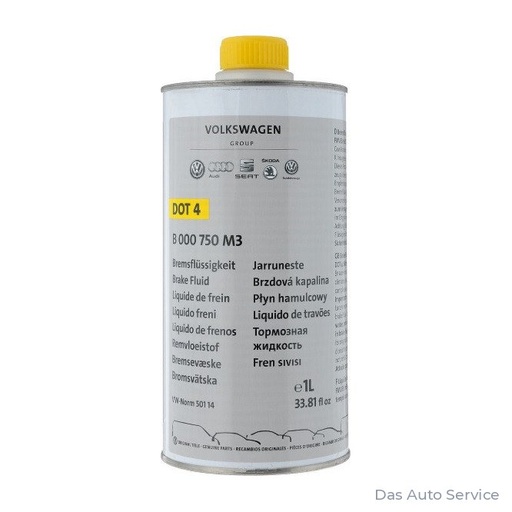
Genuine Audi/Volkswagen DOT 4 brake fluid B000750M3 1l
Genuine DOT 4 brake fluid, 1 l. A suitable choice when servicing your braking system if this is the specification required for your car.
View in shop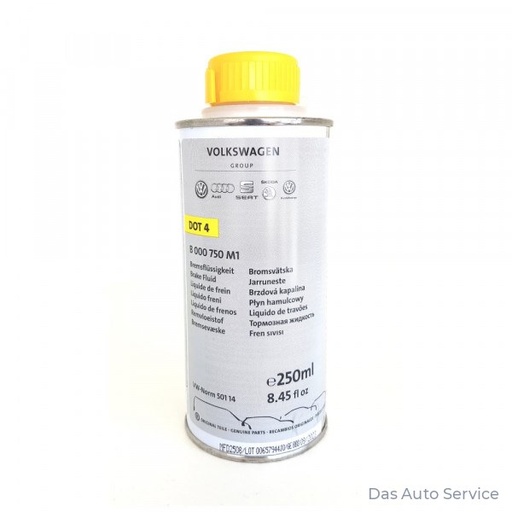
Genuine DOT 4 brake fluid B000750M1 Audi/Volkswagen 250ml
Genuine DOT 4 brake fluid, 250 ml. A smaller bottle for topping up when needed, once the reason for the low fluid level has been checked.
View in shopRead more
- Routine servicing
- Genuine VAG parts and accessories
- Brake Discs and Pads Replacement: When to Change Both
- Genuine vs OEM vs Aftermarket Car Parts Explained
Frequently asked questions
Should I choose genuine or aftermarket brake pads?
I recommend genuine brake pads because they're the ones your car was certified with. Aftermarket pads might fit perfectly, but the materials and the way they perform when braking can be different.
Do I need to replace the discs every time I change the brake pads?
Not necessarily. Discs and pads are often replaced together, but it depends on the condition of the discs. What matters is that the new pads can work properly with them.
How often should brake fluid be changed?
Every 2 years, regardless of mileage. Don't wait until you notice a problem with your brakes before changing it.