VW Golf 6 GTI vs GTD vs R – which one would you choose? Three quick Golfs that look almost identical, but underneath they're very different cars. One puts a smile on your face every time you take a corner. Another has plenty of punch without costing you a fortune in fuel. And the third puts its power down through all four wheels. We're talking about the VW Golf 6 (5K), built from 2008 to 2012. The GTI has a 2.0 TSI EA888 with 211 hp, the GTD has a 2.0 TDI common rail with 170 hp, and the Golf R has a 2.0 TSI with 270 hp and 4MOTION. Which would I choose? That depends not just on how you drive, but on what the car has been through before you got your hands on it.
Who is the Golf 6 GTI vs GTD vs R best suited to?
If you love driving, the GTI is your Golf. Its 211 hp petrol engine has more than enough power to make every journey enjoyable. The GTD is for someone who covers a lot of miles but doesn't want a boring car. Its 170 hp 2.0 TDI combines a bit of character with sensible fuel consumption. And the Golf R? Now we're talking about 270 hp and 4MOTION, giving you traction all year round, whether the road is dry or wet.
What gearboxes and drive systems does the Golf 6 have?
All three models are available with either a manual gearbox or the 6-speed DSG DQ250. This is an automatic gearbox with two wet clutches, which means the clutches work in oil. When it's healthy and properly maintained, the gear changes are quick and smooth. But if the previous owner forgot that the gearbox oil needs changing too, that driving pleasure could soon turn into a repair bill.
- Manual gearbox – for drivers who enjoy choosing their own gears.
- DSG DQ250 – a 6-speed automatic gearbox with wet clutches that needs regular servicing.
- Golf R – 4MOTION with a fourth-generation Haldex system, which brings the rear wheels into play when extra traction is needed.
What common problems do we see on these three Golfs?
This is where things get interesting. According to the adverts, they're all "perfect", "fully serviced" and "ready to drive away". But a spotless interior and a shiny engine tell me absolutely nothing about what's going on inside the engine or gearbox. That's why I approach each of these three models differently. They don't all have the same weak points.
GTI: why do the timing chain and oil consumption matter?
On the Golf 6 GTI with the 2.0 TSI EA888, I pay particular attention to the timing chain tensioner. If the engine rattles on a cold start, don't automatically believe someone telling you that "they all do that". Have a proper read of my guide to timing chain problems on the 1.8 and 2.0 TFSI. The other big concern is an engine that burns oil. And I'm not just talking about topping it up. I want to know why it's burning oil in the first place. I've explained the causes in my article about excessive engine oil consumption.
GTD: what about the EGR and dual-mass flywheel?
The Golf 6 GTD has a 170 hp 2.0 TDI common rail engine. On this one, I keep a close eye on the EGR system and its cooler. The EGR sends some of the exhaust gases back into the engine, and when the system starts playing up, the car may not pull as it should. I've written more about the 2.0 TDI EA189, its EGR and cooler. The other thing to watch is the dual-mass flywheel, which absorbs vibrations between the engine and gearbox. If you hear rattling, have a look at when and why a dual-mass flywheel rattles.
Golf R: what should I know about the fuel pump and Haldex?
On the Golf R, I check the cam follower for the high-pressure fuel pump. It's a small part, but it has an important job, and you really shouldn't ignore wear here. I've explained the problem in my article about a worn fuel pump cam follower. The other big thing is the Haldex system. It controls how power is sent to the rear wheels, and it needs regular servicing. If you'd like to understand the differences between the versions, read my guide to Haldex generations 1 to 5.
DSG: why does the gearbox jerk or hesitate?
The DQ250 is a good gearbox, but it isn't indestructible. If it starts jerking, banging into gear or hesitating, don't assume a simple adaptation will fix everything. The mechatronics unit is the gearbox's brain. It controls when and how the gears change. If something goes wrong, we need to find the actual cause, not just clear the fault codes. Have a look at why the DSG DQ250 mechatronics unit fails.
What should I check before buying a Golf 6 GTI, GTD or R?
Don't buy a car based on photos and promises alone. Especially when you're looking at a GTI or an R. These cars were built to be enjoyed, not just driven to the shops. Here's where I'd start with the checks.
- GTI cold start – listen carefully for any rattling from the timing chain.
- DSG – check how the car pulls away, how it changes gear and how the gearbox behaves under full throttle.
- Software – find out whether the engine is still running its original software or has been modified.
- Golf R – make sure the 4MOTION system actually works. Don't just check that there's a 4MOTION badge on the back.
Your best option is to book a pre-purchase inspection. That way, you'll know what you're buying before you hand over your money, rather than finding out afterwards. Trust me, even the nicest advert is no substitute for a proper mechanical inspection.
How should I service my Golf 6 GTI, GTD or R?
My rule here is simple: don't wait for the car to tell you something is wrong. The manufacturer may allow longer service intervals, but I look at what's best for the engine in Bulgarian driving conditions. I want you to enjoy your car for years, not save the cost of one service only to end up paying for an engine or gearbox repair.
- Engine oil and all filters – oil, fuel, air and cabin – every 10,000 km or once a year, whichever comes first, regardless of the oil used or the LongLife service interval.
- DSG DQ250 – genuine gearbox oil and filter every 60,000 km. At Das Auto Service, we always carry out a gearbox adaptation after the service.
- Golf R with fourth-generation Haldex – change both the Haldex coupling oil and the rear differential oil every 60,000 km.
- Brake fluid – every 2 years, and coolant every third heating season.
- Workshop inspection – every 6 months, so we can catch problems before they become expensive.
If you drive the diesel GTD, you can also take a look at my VW Golf 6 2.0 TDI service schedule. Regular servicing won't make your car indestructible, but it gives you a much better chance of avoiding nasty surprises.
IMPORTANT! If you're looking at a GTI with "a few extra horses", make sure you check the engine and DSG history. More power sounds fantastic, but without a clear service history, you've no idea how the car has been looked after. Don't buy promises. Buy proof.
Which would I choose – GTI, GTD or Golf R?
All three are good cars, provided they haven't been abused and have been properly maintained. The GTI is the one for driving pleasure, the GTD is the more relaxed choice if you cover a lot of miles, and the R is for someone who wants the most power and four-wheel drive. Personally, I'd take a well-maintained example with a clear history over a more powerful car with a questionable past any day. Because the horsepower looks great in the advert, but the repair bills come straight out of your own pocket.
Tip from Kris Mladenov: The best GTI isn't the one with the most horsepower. It's the one with the invoices to prove it's been looked after. Look for evidence of proper engine and gearbox servicing, not just pretty photos. If the history is unclear, get the car checked first. Then make your decision.
I hope you've found this article useful! If you have, I'd really appreciate you sharing it with a friend who drives or is thinking about buying a Golf 6 GTI, GTD or R. My mission is simple: when I know something useful, I want more people to know it too. Because an informed car owner makes better decisions and avoids repair bills that could have been prevented.
The solution in our shop
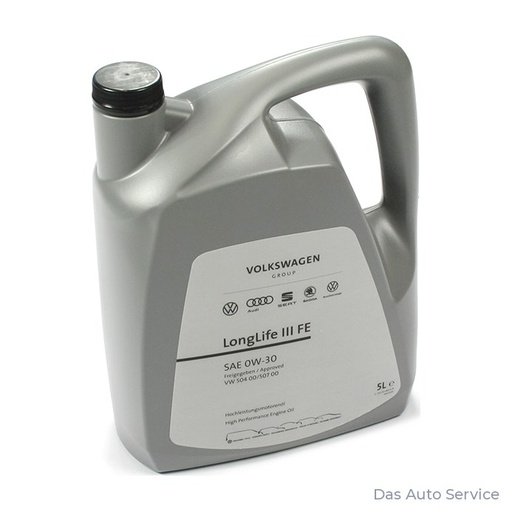
Genuine Longlife III FE 0W30 oil 5L
Genuine LongLife III engine oil is an option for servicing, provided it meets the requirements of your particular engine. Regardless of the LongLife label, I recommend changing the engine oil every 10,000 km or once a year.
View in shop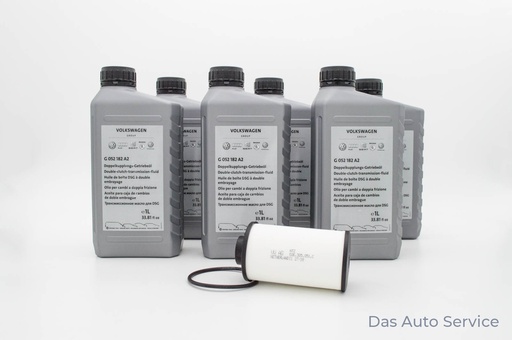
Genuine service kit for the 6-speed DSG DQ250, including gearbox oil, filter and seals. This means you replace all the necessary parts together, followed by a gearbox adaptation after the service.
View in shopRead more
- Pre-purchase inspection
- Routine servicing
- 1.8 and 2.0 TFSI Timing Chain Problems: Warning Signs
- 2.0 TDI EGR Problems (EA189): Cooler and Limp Mode
- DSG DQ250 Mechatronic Problems: Signs and Causes
- VW Golf 6 2.0 TDI Service Schedule
Frequently asked questions
What are the common problems with the Golf 6 GTI?
The main things I check are the timing chain tensioner and oil consumption on the 2.0 TSI EA888 engine. If the car has a DSG gearbox, I also check how the mechatronics unit is working.
Golf 6 GTI or GTD – which is better?
The GTI is for people who want more driving pleasure from a petrol engine, while the GTD is great for covering lots of miles without giving up a bit of character. If you're after a more relaxed everyday car, I'd lean towards the GTD.
Is the Golf 6 R worth buying?
Yes, if you want 270 hp and 4MOTION. But make sure you check the fuel pump cam follower, the Haldex system and the service history before buying.
How often should the DSG DQ250 be serviced?
I recommend changing the genuine gearbox oil and filter every 60,000 km. At Das Auto Service, we always carry out a gearbox adaptation after servicing.