How much would it cost you if your Caddy broke down just when you needed it most? I often hear people at the workshop say that as long as the van is running fine, servicing can wait. I get it. A Caddy isn't just something you take out for a Sunday drive. It carries goods, tools and your family, tows trailers and racks up the miles. But here's the thing! It's precisely because it works so hard that it deserves a bit more care. That's why I've put together this VW Caddy 2.0 TDI service schedule, so you know exactly what needs changing, when and why.
We're talking about the following versions:
- VW Caddy 5 – panel van, passenger versions, Maxi and California, from 2020 onwards
- 2.0 TDI EA288 evo engine with 75, 102 or 122 hp
- 6-speed manual gearbox or 7-speed wet-clutch DSG on the 122 hp version
- Front-wheel drive or 4MOTION with Haldex
- DPF and dual AdBlue injection (twin dosing)
Before ordering any parts, check your engine code. You'll find it on the sticker in your service book and in the luggage compartment. That code determines which parts and oil are right for your engine. If you drive an older model, have a read of VW Caddy 3 and Caddy 4 – common problems and weak points.
What engine oil should I use in my VW Caddy 2.0 TDI?
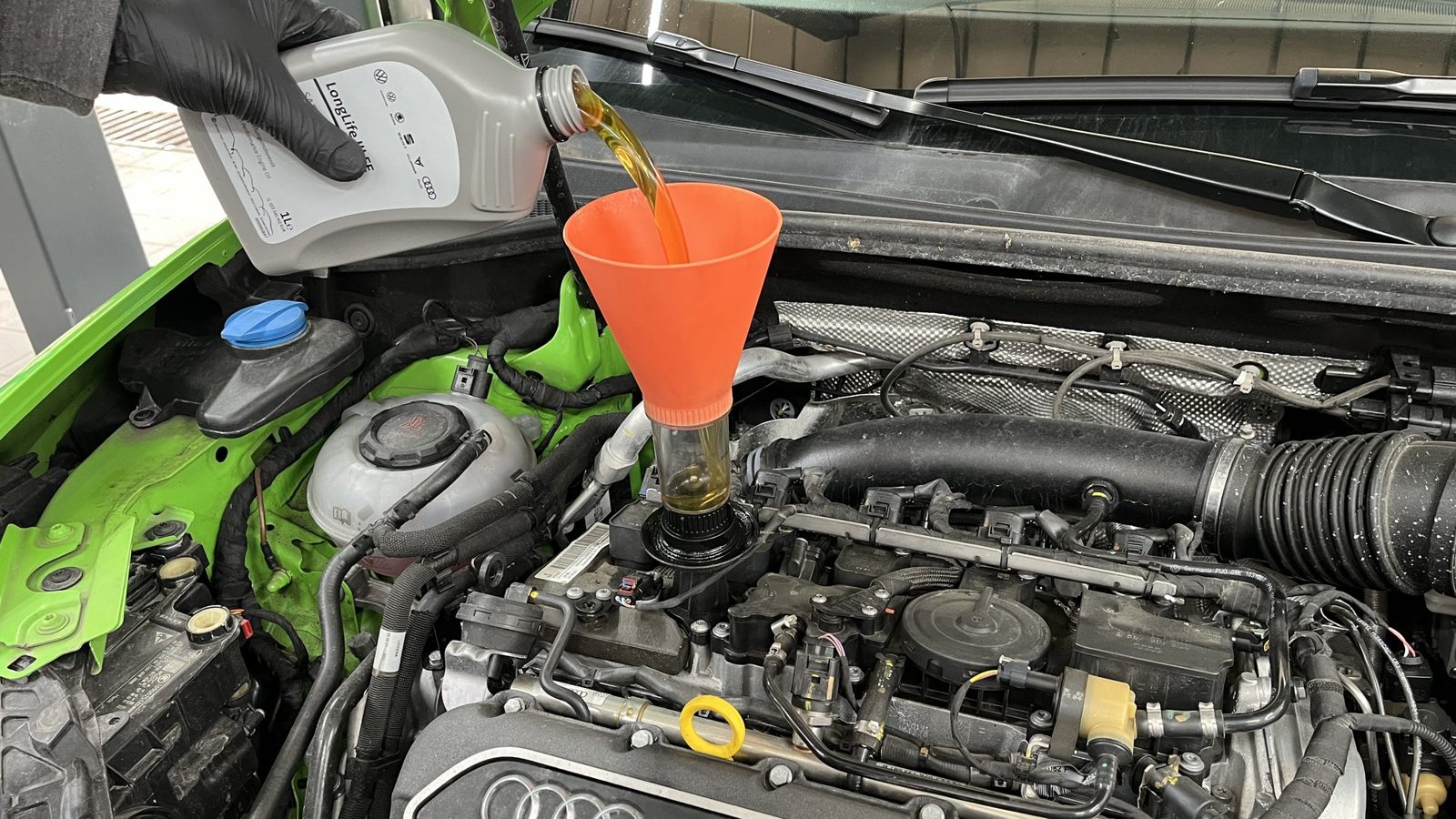
This TDI has a DPF, so it needs low-ash engine oil that meets the exact specification stated in the handbook and on the oil filler cap. At Das Auto Service, we check the engine code and use genuine oil that meets the correct specification. We don't just pour in whatever happens to be left in the drum. Your engine isn't something to experiment with.
The factory LongLife service interval allows up to 30,000 km or 2 years. I recommend changing the engine oil every 10,000 km or once a year, whichever comes first. No matter which oil you use! Think how often you start and stop the engine between jobs, drive with a heavy load and sit in traffic. During DPF regeneration, some of the extra fuel injected can find its way into the engine oil and dilute it. Why wait until your engine starts rattling?
Which filters should I change with the engine oil?
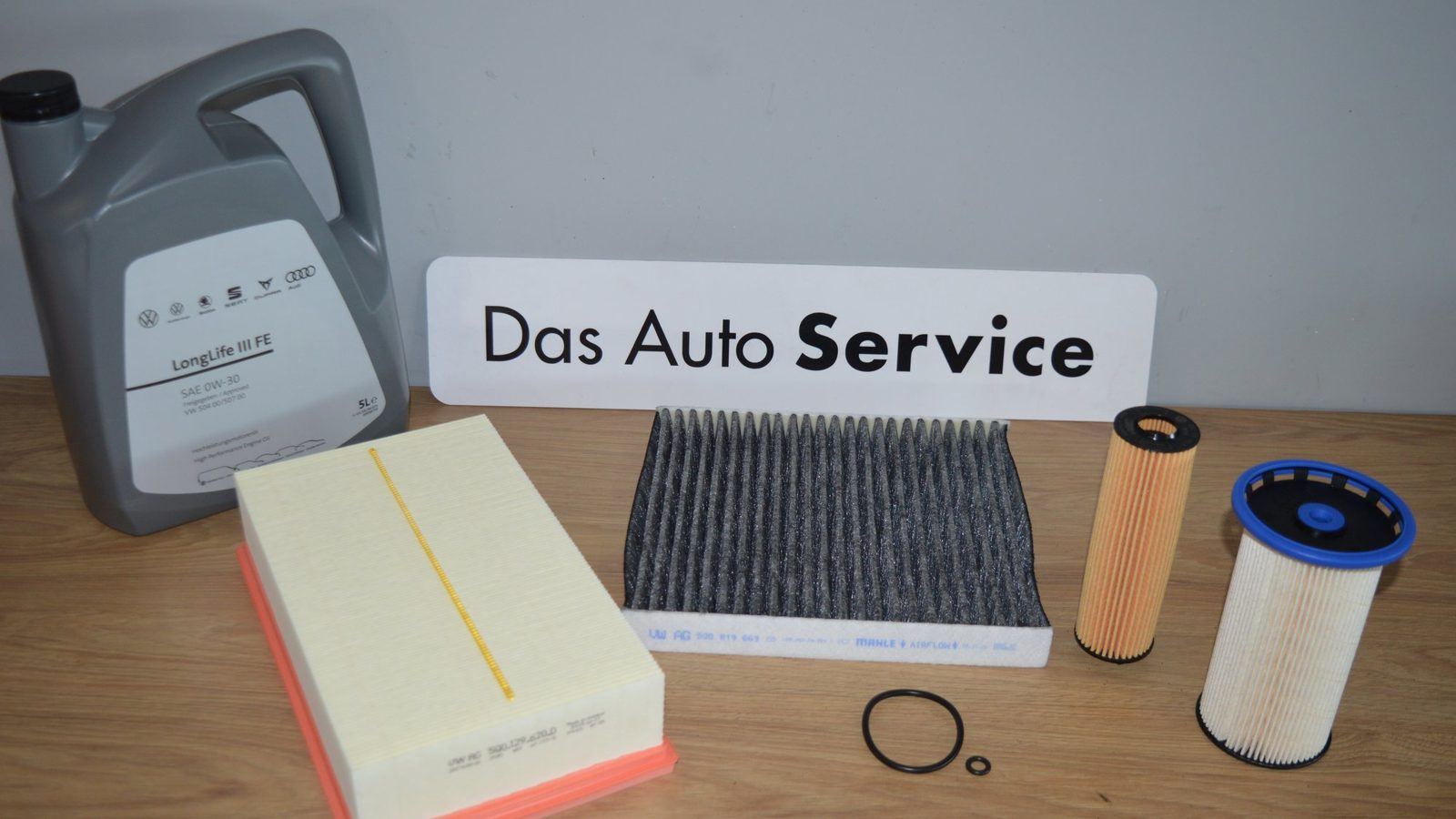
We change all the main filters along with the engine oil every 10,000 km or once a year. Manufacturers focus on meeting emissions standards and keeping running costs per kilometre down. I'm more interested in making sure your engine lasts. Here's what I include:
- Oil filter – essential with every engine oil change
- Fuel filter – protects the fuel system from contamination
- Air filter – particularly important in dusty conditions and on building sites
- Cabin filter – changed alongside the other filters
- Crankcase ventilation filter – every 80,000 km on diesel engines
How do I stop my DSG gearbox from jerking?
If you have a 122 hp Caddy, it may be fitted with the 7-speed DQ381 wet-clutch DSG. We change its oil every 60,000 km, using genuine oil and a new filter. The mechatronic unit is the gearbox's brain. It controls the gear changes, and dirty oil does its valves no favours. After changing the oil, we always carry out a clutch adaptation. Always, even when the gearbox is working perfectly.
If the gearbox starts kicking, banging into gear or juddering when you pull away, especially with a heavy load, we first connect the diagnostic tester and check the live data. We don't immediately order a new mechatronic unit. I've explained the details in DSG DQ381 and DQ500 – complete guide to wet-clutch gearboxes.
WARNING! Don't let anyone replace the mechatronic unit or clutch based on guesswork. Start with diagnostics, live data and an adaptation check. Because you're the one paying for a wrong diagnosis, not the workshop.
What needs servicing if my Caddy has 4MOTION?
On a 4MOTION Caddy, the rear axle is engaged through a Haldex clutch. It has its own oil, while the rear differential uses a separate oil. On Haldex Gen 5 and Gen 6, we change both oils every 30,000 km. Old, contaminated oil affects the pump and how the system operates. And when you get stuck on a building site, that's exactly when you'll understand why I keep insisting on this. To learn about the different generations, read Haldex Gen 4, 5 and 6 – how to tell which one you have.
Does my engine have a timing belt or a chain?
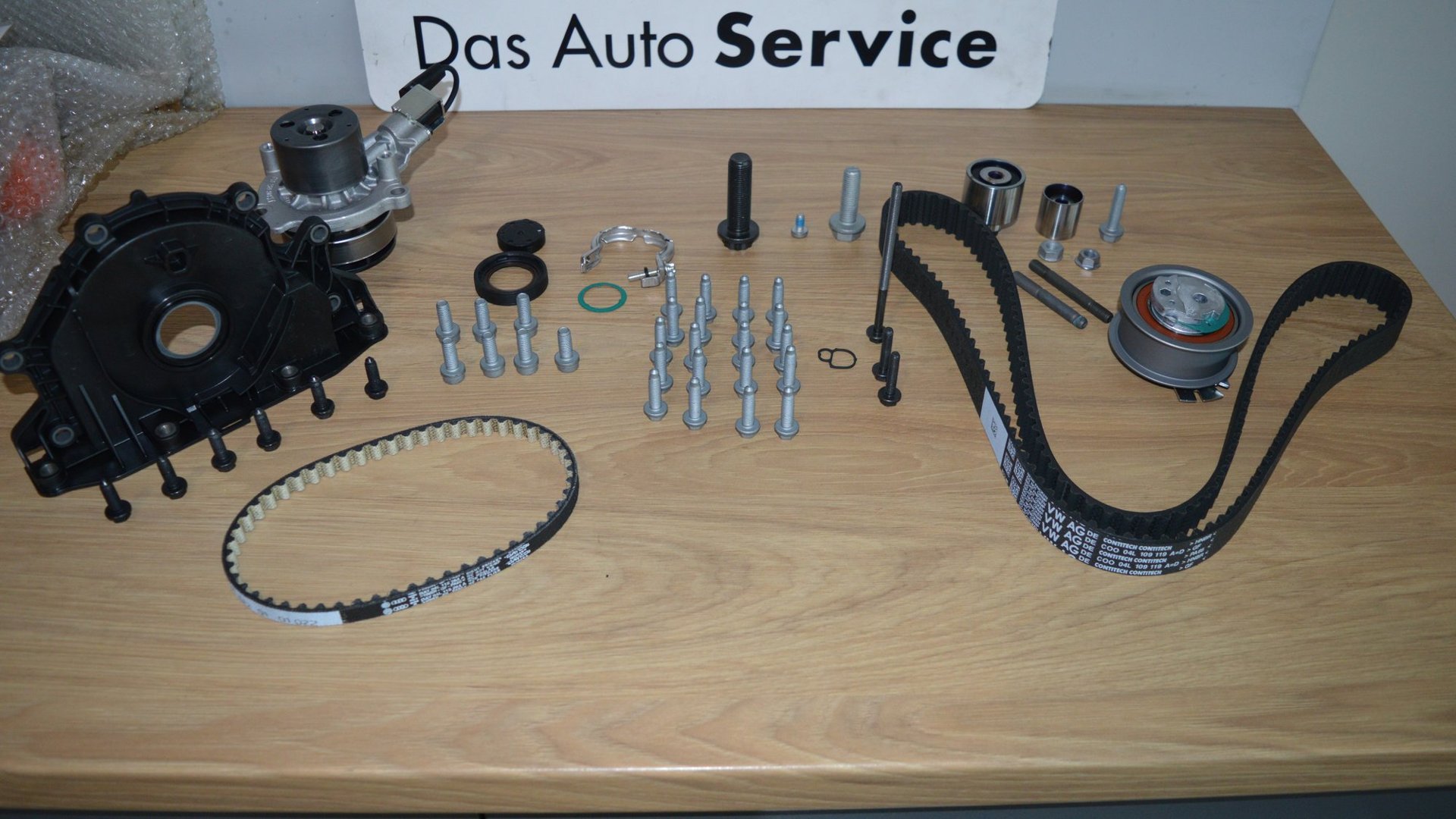
A timing belt. I recommend replacing the complete genuine timing belt kit, including the belt, rollers, tensioner and water pump, every 180,000 km or 5 years, whichever comes first. Rubber ages even when the van is parked. We've seen aftermarket parts with replacement intervals as short as a third of that. And if the timing belt snaps, the valves meet the pistons. Trust me, you won't like the result. Take a look at what's included in the genuine 2.0 TDI timing belt kit.
How do I look after the AdBlue system and DPF?
The EA288 evo has two SCR catalytic converters and two AdBlue injection points, a system known as twin dosing. It reduces nitrogen oxide emissions, but it's sensitive to contamination. Use AdBlue from a sealed container and keep dust away from the filler opening. We also check this system during inspections.
The DPF needs the right conditions to regenerate. If you spend all day making short trips around town, take the van on a longer drive regularly. And don't mistake removing the DPF or EGR valve for a repair. We look for the actual cause of the problem. I've written more about this in 2.0 TDI EA288 – common problems and servicing.
When should I change the brake fluid and coolant?
We change the brake fluid every 2 years. It absorbs moisture, which lowers its boiling point, and under heavy braking the pedal can start to feel spongy. Not something you want when you're driving a fully loaded Caddy with a trailer downhill. That's why we test the fluid with proper equipment rather than judging it by its colour.
We change the coolant every third heating season and check its protection every autumn. Old coolant can damage the aluminium engine block. We also check the glow plugs with a diagnostic tester every autumn. If the engine struggles to start on cold mornings, shakes or the glow plug warning light flashes, don't put it off.
Should I service the air conditioning every year?
Yes, every spring. We check the system and replace the filter-drier and the oil in the system because they protect the compressor. This isn't simply a matter of topping up the refrigerant. And if you have a compressor and tyre sealant kit instead of a spare wheel, check the sealant's expiry date once a year. A puncture won't wait until you're prepared.
Why should I have my Caddy checked every 6 months?
Because your Caddy works for a living. Every 6 months, we check the fluids, leaks, brakes, tyres, suspension arms, bushes and the rest of the suspension, particularly at the rear. We also scan every control module for fault codes. A small problem left unchecked often turns into a major repair. And when your work van is sitting in a workshop, it isn't earning you money.
What should I remember about servicing my Caddy 2.0 TDI?
- Engine oil and all main filters – every 10,000 km or once a year
- Crankcase ventilation filter – every 80,000 km
- DSG – genuine oil and filter every 60,000 km, followed by adaptation
- Haldex Gen 5 and Gen 6 – both oils every 30,000 km
- Timing belt kit with rollers, tensioner and water pump – every 180,000 km or 5 years
- Brake fluid – every 2 years; coolant – every third heating season
- Air conditioning – every spring; general inspection – every 6 months
Advice from Kris Mladenov: My advice is to choose a workshop where people can explain what they're doing and why, rather than just hand you a bill. I recommend genuine parts and consumables. They cost more upfront, but the peace of mind is worth it when you rely on your van for work. You can book routine servicing or gearbox servicing. And if you have a Golf 8 with the same engine, take a look at the Golf 8 2.0 TDI service schedule.
I hope you've found this article useful! If you have, I'd really appreciate you sharing it with a friend who drives a Caddy. I'm Kris Mladenov, and my mission is simple: when I know something useful, I want more people to know it too. That way, we can look after our cars instead of paying for mistakes we could have avoided.
The solution in our shop
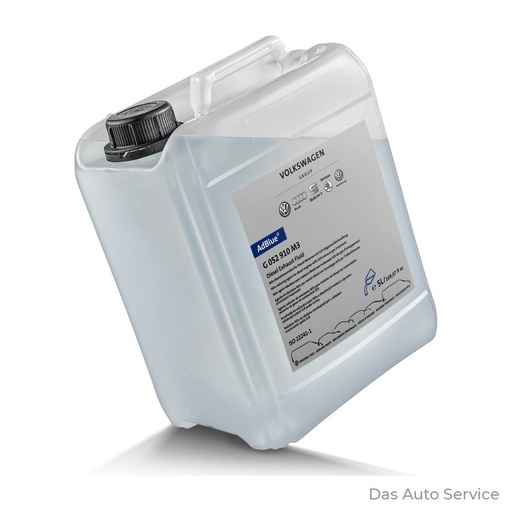
Genuine VAG AdBlue® fluid G052910M4 10l
Genuine AdBlue fluid for the twin-dosing SCR system.
View in our shop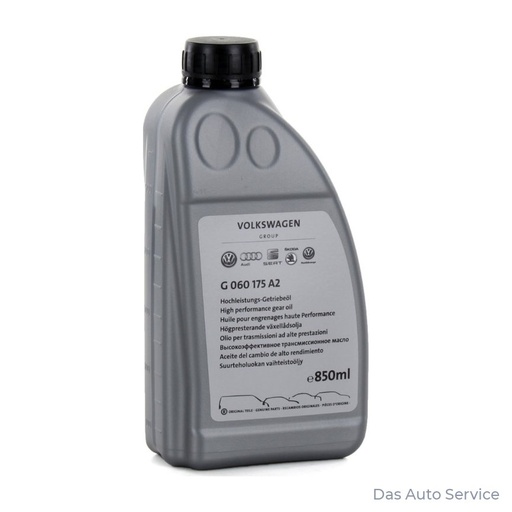
Genuine Haldex oil G060175A2 850ml
Genuine G 060 175 A2 oil for the Haldex system on the Caddy 4MOTION.
View in our shop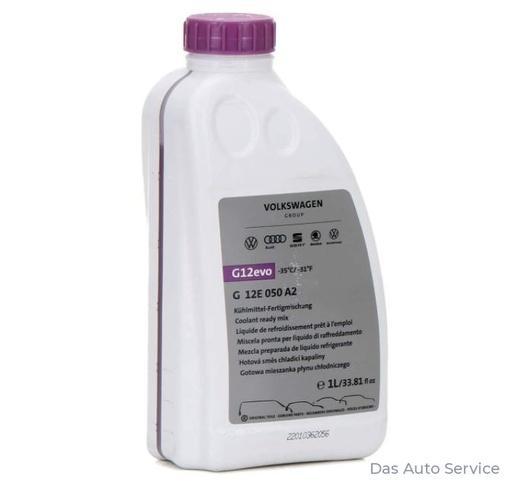
Genuine VAG G12Evo coolant G12E050A2 1.0l
Genuine G12evo coolant for replacement every third heating season.
View in our shop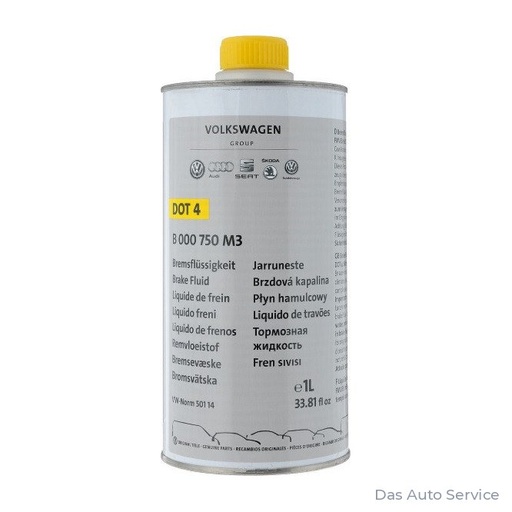
Genuine VAG DOT 4 brake fluid B000750M3 1l
Genuine DOT 4 brake fluid for replacement every 2 years.
View in our shopFurther reading
- Routine servicing
- Gearbox servicing
- VW Caddy 3 and Caddy 4 – common problems and weak points
- 2.0 TDI EA288 – differences from EA189, common problems and servicing
- DSG DQ381 and DQ500 – complete guide to wet-clutch gearboxes
- VW Golf 8 2.0 TDI service schedule
Frequently asked questions
How often should I change the oil in my VW Caddy 2.0 TDI?
Every 10,000 km or once a year, whichever comes first. Change all the main filters at the same time and use genuine oil that meets the correct VW specification.
Does the Caddy 5 2.0 TDI have a timing belt or a chain?
It has a timing belt. We replace the complete genuine timing belt kit, including the rollers, tensioner and water pump, every 180,000 km or 5 years.
When should I change the DSG oil in my Caddy?
Every 60,000 km, using genuine oil and a new filter. We always carry out a clutch adaptation after servicing.
When should the Haldex system on a Caddy 4MOTION be serviced?
On Haldex Gen 5 and Gen 6, both the Haldex clutch oil and the rear differential oil should be changed every 30,000 km.